



DC Oversizing in Solar: Complete FAQ Guide for Maximum ROI

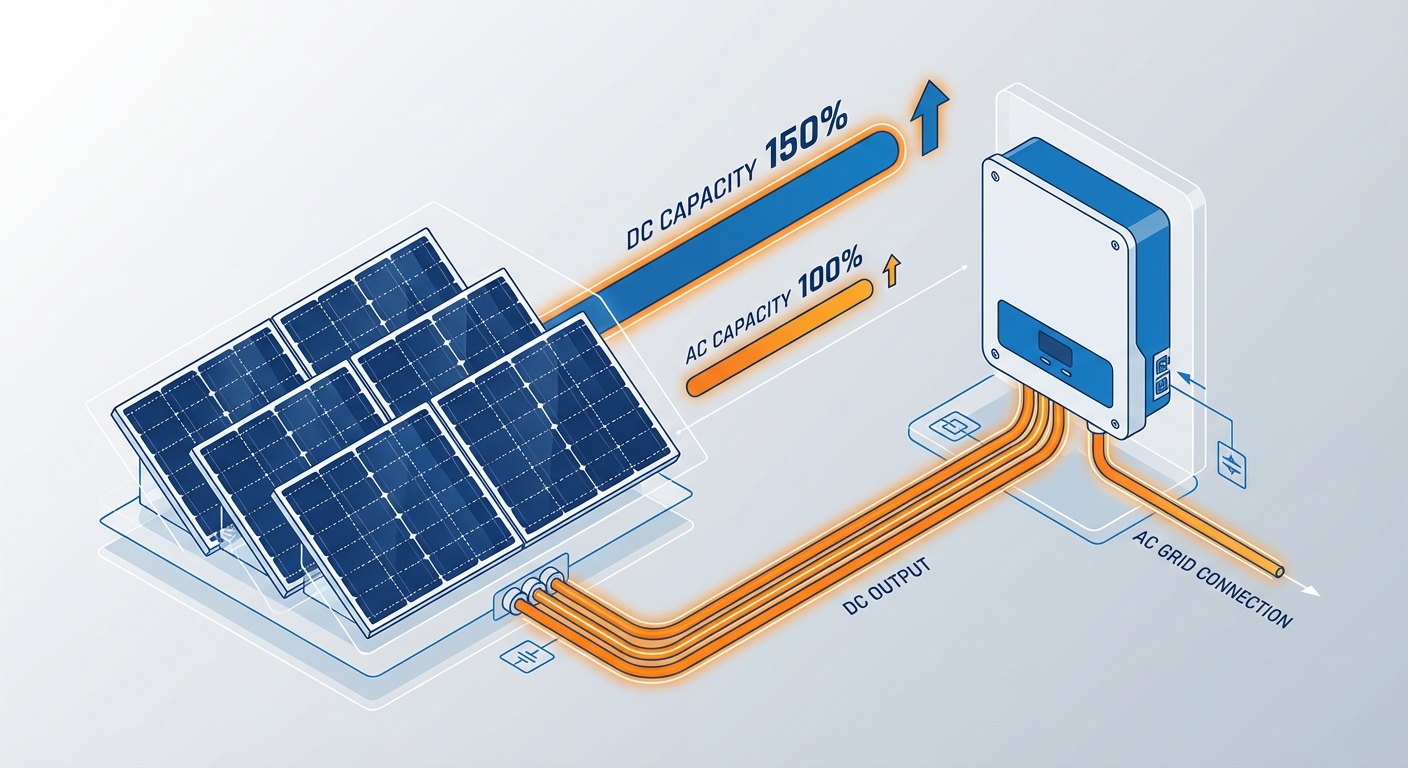
As solar panel technology advances and high-wattage modules become the industry standard across India, solar EPCs and installers face a critical design decision that directly impacts system performance and return on investment: DC oversizing. This practice, once considered unconventional, has become essential for maximizing energy generation from modern solar installations. Yet many solar professionals still have questions about optimal ratios, safety implications, and warranty considerations when implementing DC oversizing strategies.
Understanding DC oversizing isn’t just about technical specifications—it’s about delivering superior value to your clients while protecting your business from costly mistakes. This comprehensive FAQ guide addresses the most critical questions about DC oversizing in solar inverters, helping you make informed decisions that enhance system performance, accelerate ROI, and maintain full warranty protection for residential and commercial installations throughout India.
What Is DC Oversizing in Solar Inverters?
DC oversizing refers to the practice of connecting more solar panel capacity (measured in DC watts) to an inverter than its rated AC output capacity. The ratio between the total DC panel capacity and the inverter’s AC rating is called the DC-to-AC ratio or oversizing ratio. For example, connecting 6 kW of solar panels to a 5 kW inverter creates a DC-to-AC ratio of 1.2:1, representing 20% DC oversizing.
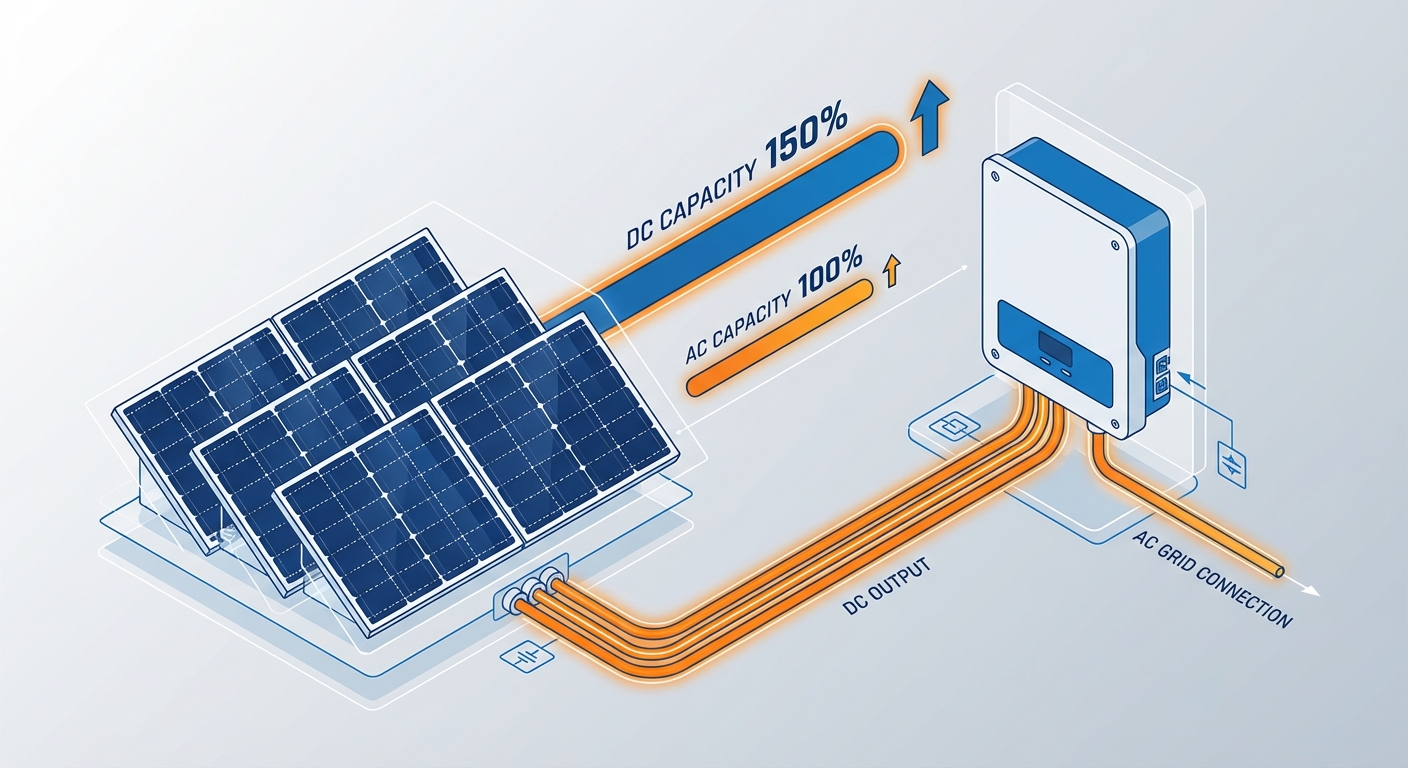
This design approach works because solar panels rarely operate at their maximum rated capacity simultaneously throughout the day. Factors like panel temperature, dust accumulation, angle of incidence, and atmospheric conditions mean that actual power output typically falls below nameplate ratings during most operating hours. By strategically oversizing the DC array, you ensure the inverter operates closer to its optimal efficiency range for longer periods each day.
In India’s solar market, DC oversizing has become increasingly important as panel wattages have climbed from 330W to 550W and beyond, with many manufacturers now producing 750W+ modules. Modern inverters from manufacturers like Qbits are specifically engineered to handle up to 100% DC oversizing, meaning you can connect double the DC capacity compared to the inverter’s AC rating—a 5 kW inverter can safely manage up to 10 kW of solar panels when properly configured.
The key to successful DC oversizing lies in understanding your inverter’s maximum input specifications. Every quality inverter has defined limits for maximum DC input power, maximum input voltage, and maximum input current. As long as your array design stays within these parameters—which are always higher than the inverter’s AC rating—DC oversizing is not only safe but recommended for optimal system performance.
Why Does DC Oversizing Matter for Solar System Performance?
The performance benefits of DC oversizing become clear when you examine how solar systems actually operate throughout the day. Without DC oversizing, inverters in typical installations only reach their rated capacity for a few peak hours around midday. During morning hours, evening hours, and cloudy conditions, the inverter operates well below its optimal efficiency range, leaving significant energy generation potential untapped.
DC oversizing directly addresses this performance gap by ensuring the inverter receives sufficient input power to operate at or near its rated capacity for extended periods. During early morning when the sun angle is low, an oversized array generates enough power to bring the inverter to full output much earlier than a conventionally sized system. The same benefit applies during late afternoon and evening hours, extending the productive generation window.
This extended high-performance operation translates to measurable improvements in system capacity factor, the ratio of actual energy production to theoretical maximum production. While a conventionally sized system might achieve a capacity factor of 15-18% in Indian conditions, proper DC oversizing can push this to 20-22% or higher, representing a 15-25% increase in total annual energy generation from the same inverter investment.
The performance advantage becomes even more pronounced during India’s monsoon season and winter months when cloud cover and atmospheric haze reduce solar irradiance. An oversized DC array compensates for these losses, maintaining acceptable inverter output levels even when individual panel output drops to 60-70% of rated capacity. For commercial and industrial clients who depend on consistent solar generation to offset expensive grid power, this reliability advantage is invaluable.
Modern inverters with advanced MPPT (Maximum Power Point Tracking) technology, such as those manufactured by Qbits with 98% efficiency ratings, are specifically designed to extract maximum energy from oversized arrays without compromising conversion efficiency. The intelligent monitoring systems track performance across multiple MPPT channels, ensuring optimal energy harvest regardless of varying conditions across different array sections.
What Are the Optimal DC Oversizing Ratios for Different Applications?
Determining the right DC oversizing ratio requires balancing multiple factors including installation type, geographic location, climate patterns, and client energy consumption profiles. While there’s no universal “perfect” ratio, industry experience and performance data have established reliable guidelines for different application categories across India.
Residential Installations
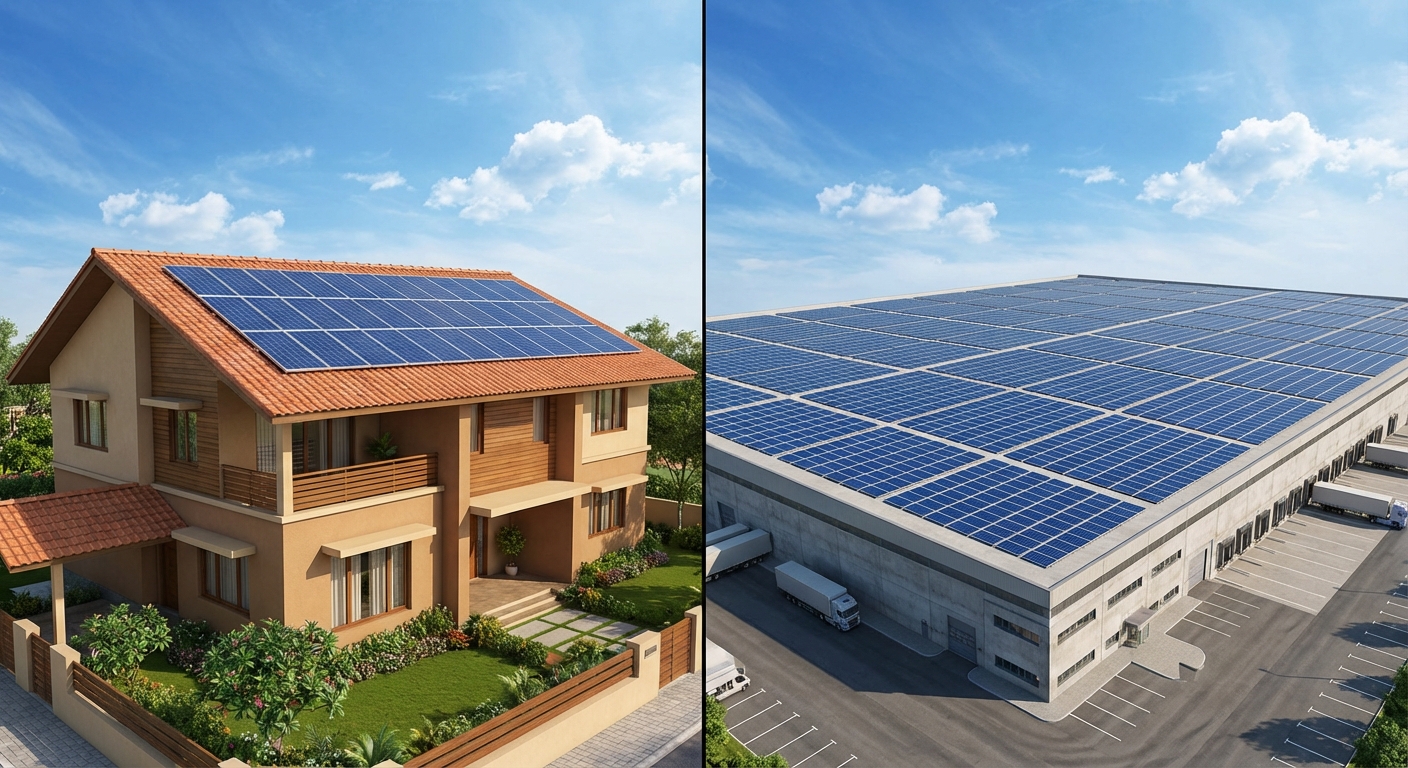
For residential rooftop systems, a DC-to-AC ratio between 1.15:1 and 1.3:1 (15-30% oversizing) typically delivers optimal results. This range provides meaningful performance improvements during shoulder hours without excessive panel clipping during peak periods. A 5 kW residential inverter, for example, would be paired with 5.75-6.5 kW of solar panels.
Residential systems benefit from moderate oversizing because household consumption patterns often peak during morning and evening hours when solar generation naturally declines. The oversized array ensures adequate power generation during these critical periods, maximizing self-consumption and reducing grid dependency. For homes with advanced monitoring systems, homeowners can track these performance benefits in real-time through smartphone apps.
Commercial and Industrial Projects
Commercial and industrial installations can typically accommodate more aggressive DC oversizing, with ratios between 1.25:1 and 1.5:1 (25-50% oversizing) being common. Some applications, particularly those in regions with frequent cloud cover or high ambient temperatures, may benefit from ratios approaching 1.6:1 or even higher, up to the inverter’s maximum DC input capacity.
C&I projects have different optimization priorities compared to residential systems. These installations prioritize maximum annual energy generation to offset expensive commercial electricity tariffs, making the additional energy captured through aggressive DC oversizing highly valuable. The larger roof areas typical of commercial buildings also make it easier to accommodate the additional panels required for higher oversizing ratios.
Geographic and Climate Considerations
India’s diverse climate zones require tailored approaches to DC oversizing. Regions with high ambient temperatures, such as Rajasthan, Gujarat, and interior Maharashtra, benefit from higher oversizing ratios (1.3:1 to 1.5:1) because panel output degrades more significantly with temperature, and the oversized array compensates for this thermal derating.
Coastal regions and areas with frequent monsoon cloud cover, including Kerala, coastal Karnataka, and Northeast India, also warrant aggressive DC oversizing (1.4:1 to 1.6:1) to maintain acceptable generation during periods of reduced irradiance. Conversely, high-altitude regions with cooler temperatures and consistently clear skies may achieve excellent results with more conservative ratios (1.15:1 to 1.25:1).
Calculating Your Project’s Optimal Ratio
To determine the right DC oversizing ratio for your specific project, consider these factors: local solar resource data (GHI and DNI values), historical weather patterns, client load profiles, available roof space, and inverter specifications. Quality inverters like those from Qbits support up to 100% DC oversizing, giving you maximum flexibility to optimize for your specific conditions without warranty concerns.
Start with the industry guidelines for your application type, then adjust based on local conditions. Use PV simulation software to model different scenarios, comparing annual energy generation against the incremental cost of additional panels. The optimal ratio is typically where the marginal cost of adding panels equals the marginal value of additional energy generation over the system’s lifetime.
How Does DC Oversizing Impact Inverter Lifespan and Warranty?
One of the most common concerns EPCs and installers express about DC oversizing centers on potential impacts to inverter longevity and warranty coverage. These concerns, while understandable, are largely based on misconceptions about how modern inverters handle DC oversizing and what actually causes inverter degradation.
DC oversizing does not inherently reduce inverter lifespan when implemented within manufacturer specifications. Modern inverters are designed with maximum DC input ratings significantly higher than their AC output ratings specifically to accommodate oversizing. The inverter’s power electronics, thermal management systems, and protective circuits are all engineered to handle these higher DC inputs safely and efficiently.
What actually impacts inverter lifespan is thermal stress from prolonged operation at elevated temperatures, voltage and current spikes from inadequate surge protection, and component quality. A properly oversized system with quality components and adequate thermal management will typically outlast an undersized system operating in harsh conditions with poor protection.
In fact, DC oversizing can potentially extend inverter operational life in certain scenarios. When an inverter operates at or near its rated capacity for extended periods (which DC oversizing enables), it operates within its optimal efficiency range where power electronics experience less stress than during low-load conditions with poor power factor. The key is ensuring the inverter never exceeds its maximum input voltage or current limits, which proper string design prevents.
Warranty Coverage and Manufacturer Guidelines
Reputable inverter manufacturers explicitly support DC oversizing within specified limits and provide clear guidelines in their technical documentation. Qbits inverters, for example, come with a comprehensive 12-year full replacement warranty that covers systems with up to 100% DC oversizing, provided the installation adheres to maximum input voltage and current specifications.
Before implementing DC oversizing on any project, verify these critical specifications in the inverter datasheet: maximum DC input power, maximum input voltage (both absolute and MPPT range), maximum input current per MPPT channel, and maximum short-circuit current. Your array design must stay within all these limits to maintain full warranty protection.
Quality manufacturers also provide technical support to help EPCs design properly oversized systems. When selecting inverters for projects with aggressive DC oversizing, prioritize manufacturers with strong technical support infrastructure and clear warranty terms. The inverter selection process should always include verification of DC oversizing support and warranty coverage.
Component Quality and Thermal Management
The ability of an inverter to handle DC oversizing reliably over its entire lifespan depends heavily on component quality and thermal design. Inverters built with German-grade electronic components and robust thermal management systems, such as those from Qbits, can safely handle maximum DC inputs even in India’s harsh rooftop conditions with ambient temperatures exceeding 45°C.
Look for inverters with adequate heat sink design, intelligent fan control (if actively cooled), and wide operating temperature ranges. The inverter should also include comprehensive protection features including DC and AC surge protection devices (SPDs), which become even more critical with larger DC arrays that present greater lightning strike risk. Qbits inverters incorporate integrated SPDs and IP66 weather protection to ensure reliable operation in all conditions.
What Are the Safety Considerations for DC Oversizing?
While DC oversizing is safe when properly implemented, it does require careful attention to electrical safety principles and compliance with relevant standards. The larger DC arrays associated with oversizing present increased electrical hazards if not designed and installed correctly, making safety considerations paramount for every project.
The most critical safety parameter is maximum input voltage. Solar panels generate higher voltages at lower temperatures, with open-circuit voltage (Voc) increasing significantly on cold, clear mornings. When designing string configurations for oversized arrays, you must calculate the maximum possible Voc based on the lowest expected ambient temperature in your region, then ensure this value stays below the inverter’s absolute maximum input voltage rating.
For most regions in India, using a minimum temperature of 5-10°C for Voc calculations provides adequate safety margin. In high-altitude or northern regions that experience near-freezing temperatures, use 0°C or lower. Exceeding the inverter’s maximum input voltage, even briefly, can cause immediate and permanent damage to input circuitry and will void warranty coverage.
DC Surge Protection Requirements
Larger DC arrays present increased risk of lightning-induced surges and require robust surge protection. Every oversized installation should include properly rated DC surge protection devices on both the positive and negative conductors of each string. The SPD rating must match or exceed the maximum system voltage and provide adequate surge current capacity for the array size.
Quality inverters include integrated DC SPDs, but for systems with aggressive oversizing or in lightning-prone regions, consider supplementary external SPDs at the array level. Proper grounding of the array structure, inverter chassis, and SPD earth connections is essential for effective surge protection. Poor grounding is one of the most common installation defects that compromises both safety and equipment protection.
String Configuration Best Practices
Proper string design is essential for safe DC oversizing. Each string must be configured to stay within the inverter’s MPPT voltage range under all operating conditions while distributing power evenly across available MPPT channels. Unbalanced loading of MPPT inputs can cause one channel to exceed its maximum current rating even when total array power is within specifications.
For inverters with multiple MPPT channels, distribute strings evenly and ensure each channel receives similar DC input power. Avoid mixing different panel types, orientations, or tilt angles on the same MPPT channel, as this creates mismatch losses and can lead to unexpected current imbalances. When working with high-wattage panels (550W+), pay special attention to string current calculations to avoid exceeding maximum input current per MPPT.
Compliance with BIS/IEC Standards
All solar installations in India must comply with relevant BIS (Bureau of Indian Standards) and IEC (International Electrotechnical Commission) standards, including IS/IEC 62109 for inverter safety and IS/IEC 62446 for system installation and commissioning. These standards include specific requirements for DC circuit protection, isolation, and labeling that become more critical with oversized arrays.
Ensure your installations include proper DC isolation switches rated for the maximum system voltage and current, clearly labeled warning signs indicating DC voltage hazards, and appropriate cable sizing for the higher currents associated with oversized arrays. Using BIS/IEC certified inverters from reputable manufacturers ensures the equipment itself meets all relevant safety standards, but installation practices must also comply with applicable codes.
How Does DC Oversizing Affect System ROI and Financial Performance?
The financial case for DC oversizing is compelling when analyzed properly, but requires understanding both the incremental costs and the lifetime value of additional energy generation. For EPCs and installers, presenting this analysis clearly to clients is essential for winning projects and delivering superior value.

The primary financial benefit of DC oversizing comes from increased annual energy generation without proportional increases in balance-of-system costs. While you’re adding more solar panels, you’re using the same inverter, mounting structure (in most cases), and electrical infrastructure. This means the incremental cost of oversizing is limited to the additional panels and associated DC wiring.
Industry data from installations across India shows that properly implemented DC oversizing typically increases annual energy generation by 10-20% compared to conventionally sized systems, depending on the oversizing ratio and local conditions. For a commercial installation with a 100 kW inverter, this could represent an additional 15,000-30,000 kWh per year, worth ₹90,000-₹1,80,000 annually at typical commercial electricity rates of ₹6-₹8 per kWh.
Cost-Benefit Analysis Framework
To evaluate DC oversizing for a specific project, calculate the incremental cost of additional panels (including installation labor and DC cabling) and compare this to the net present value of additional energy generation over the system’s lifetime. For most projects, the analysis follows this framework:
- Incremental Cost: Additional panels at current market rates (₹15-₹20 per watt for quality modules) plus installation labor and materials
- Additional Annual Generation: Estimated kWh increase based on oversizing ratio and local solar resource
- Annual Value: Additional kWh multiplied by applicable electricity tariff or PPA rate
- Lifetime Value: Annual value multiplied by system lifetime (typically 25 years) with appropriate discount rate
- Net Benefit: Lifetime value minus incremental cost
For most residential and commercial projects in India, DC oversizing ratios between 1.2:1 and 1.4:1 show positive net benefits with payback periods of 2-4 years on the incremental investment. More aggressive oversizing (1.5:1 to 1.6:1) may be justified for projects with high electricity tariffs, excellent solar resources, or limited roof space where maximizing generation per square meter is critical.
Impact on Payback Period and LCOE
DC oversizing typically reduces overall system payback period by 6-12 months compared to conventionally sized systems, despite the higher upfront cost. This occurs because the incremental cost of additional panels is relatively small compared to the total system cost, while the energy generation increase is proportional to the oversizing ratio.
The impact on Levelized Cost of Energy (LCOE) is even more favorable. LCOE represents the total lifetime cost of the system divided by total lifetime energy generation. Since DC oversizing increases the denominator (energy generation) more than the numerator (system cost), LCOE decreases. Typical LCOE reductions from proper DC oversizing range from 5-12%, making solar more competitive with grid electricity and improving project economics.
For EPCs and installers, these financial benefits translate to competitive advantages. Projects designed with optimal DC oversizing deliver better returns to clients, leading to stronger references, repeat business, and higher client satisfaction. The ability to demonstrate superior financial performance through proper system design is a key differentiator in India’s increasingly competitive solar market.
Real-World ROI Scenarios
Consider a typical 50 kW commercial rooftop installation in Mumbai. A conventionally sized system might use a 50 kW inverter with 50 kW of panels (1:1 ratio), generating approximately 70,000 kWh annually. The same 50 kW inverter with 65 kW of panels (1.3:1 ratio) would generate approximately 80,000 kWh annually, an additional 10,000 kWh worth ₹70,000 at ₹7 per kWh commercial rates.
The incremental cost of the additional 15 kW of panels might be ₹2,25,000 (₹15 per watt), resulting in a simple payback of just over 3 years on the incremental investment. Over the system’s 25-year lifetime, this generates an additional ₹17.5 lakh in value (not accounting for electricity rate escalation, which would increase this further). The financial case is clear and compelling.
Understanding these financial dynamics and communicating them effectively to clients is essential for EPCs looking to differentiate their offerings. Pairing quality inverters that support aggressive DC oversizing with proper system design creates measurable value that clients can see in their electricity bills month after month. For more insights on financial planning for solar installations, explore our guide on solar inverter lifespan and financial planning.
What Technical Specifications Should EPCs Verify Before DC Oversizing?
Successful DC oversizing requires careful verification of multiple technical specifications to ensure safe, reliable operation within warranty parameters. EPCs and installers must thoroughly review inverter datasheets and understand how different specifications interact when designing oversized systems.
Maximum DC Input Power
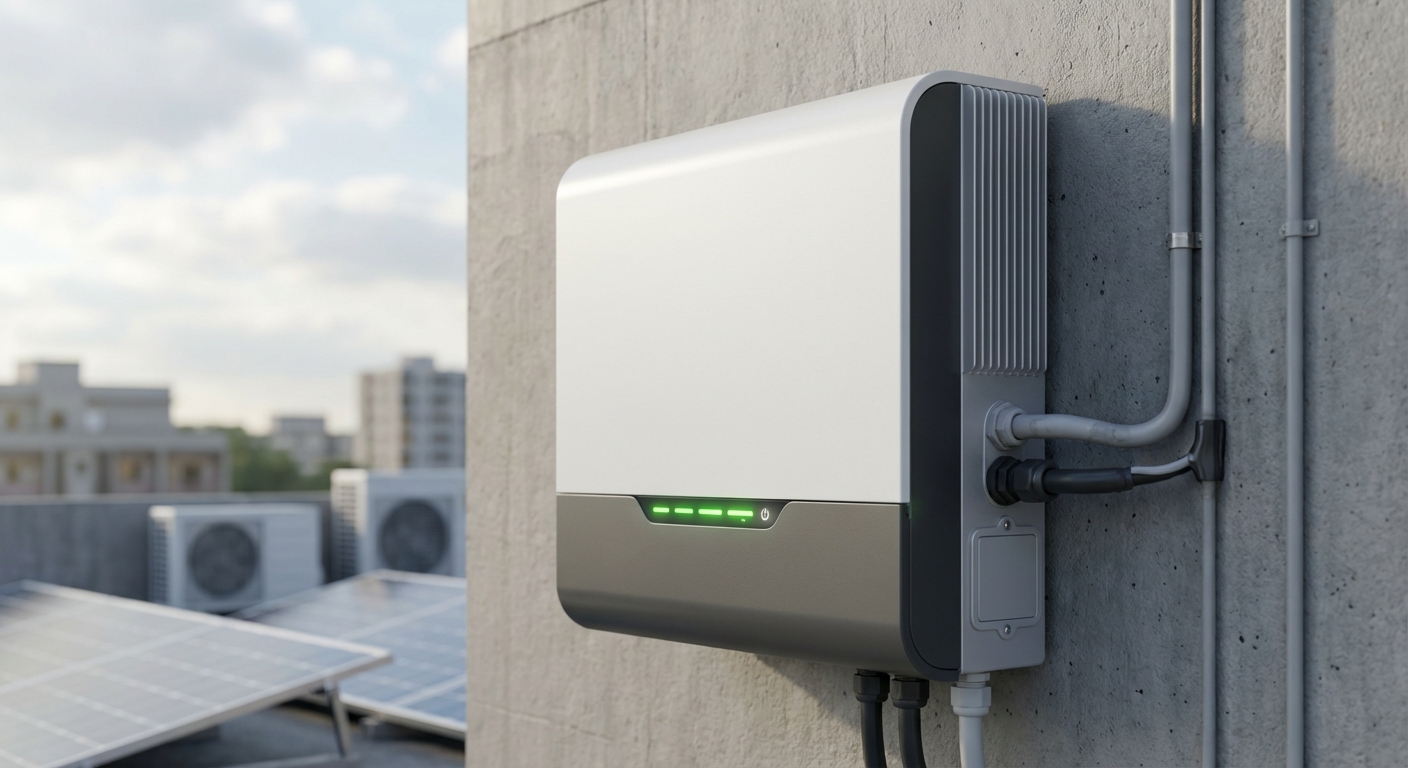
The maximum DC input power rating is the most fundamental specification for DC oversizing. This value, expressed in watts or kilowatts, represents the absolute maximum DC power the inverter can safely handle. Quality inverters designed for DC oversizing typically have maximum DC input ratings of 130-200% of their AC output rating.
For example, a 5 kW AC inverter might have a maximum DC input rating of 7.5 kW (150% oversizing capability) or even 10 kW (100% oversizing capability). Qbits inverters support up to 100% DC oversizing, meaning a 10 kW model can safely handle up to 20 kW of DC input. Never exceed this specification, as doing so can cause immediate damage and void warranty coverage.
Maximum Input Voltage and MPPT Range
Two voltage specifications are critical: maximum input voltage (absolute limit) and MPPT voltage range (optimal operating range). The maximum input voltage is the absolute limit that must never be exceeded, even during cold morning conditions when panel Voc is highest. Typical values range from 600V to 1000V for residential inverters and up to 1500V for commercial models.
The MPPT voltage range defines where the inverter can efficiently extract maximum power from the array. String voltage should be designed to stay within this range during normal operating conditions (typically 25-45°C panel temperature). Operating outside the MPPT range doesn’t damage the inverter but significantly reduces efficiency and energy generation.
Maximum Input Current Per MPPT Channel
Each MPPT channel has a maximum input current rating, typically 10-25 amps for residential inverters and higher for commercial models. When designing string configurations for oversized arrays, calculate the maximum possible current from each string (panel Isc multiplied by number of parallel strings) and ensure it stays below this limit.
This specification becomes particularly important when using high-wattage panels with higher short-circuit currents. A 550W panel might have an Isc of 13-14 amps, meaning you can only connect one string per MPPT channel if the channel’s maximum current is 15 amps. Exceeding maximum input current can trigger protective shutdowns or, in extreme cases, damage input circuitry.
Number of MPPT Channels and String Inputs
The number of independent MPPT channels affects how efficiently the inverter can handle oversized arrays, especially when panels experience partial shading or are installed at different orientations. More MPPT channels provide greater flexibility for complex array configurations and better performance under mismatch conditions.
Verify how many string inputs each MPPT channel supports and whether the inverter allows parallel connection of multiple strings per channel. For large oversized arrays, you may need multiple strings per MPPT channel, which requires careful current calculations to avoid exceeding channel limits.
Monitoring and Performance Tracking Capabilities
For oversized systems, robust monitoring becomes even more important to verify expected performance gains and identify any issues early. Look for inverters with comprehensive monitoring that tracks performance at the MPPT channel level, not just overall system output. This granular data helps identify string-level issues that might otherwise go unnoticed.
Advanced monitoring systems like Qbits’ AI-powered WhatsApp monitoring provide real-time alerts and performance data directly to installers and system owners, making it easy to verify that oversized systems are delivering expected energy generation. The ability to track performance across multiple MPPT channels helps optimize string configurations and identify any imbalances that might reduce overall system efficiency.
When evaluating inverters for projects with DC oversizing, comprehensive technical specifications and monitoring capabilities should be key selection criteria. Our detailed guide on evaluating solar inverter manufacturers in India provides additional insights on technical specification verification for EPCs and distributors.
Common DC Oversizing Mistakes and How to Avoid Them
Even experienced EPCs and installers can make costly mistakes when implementing DC oversizing if they don’t follow proper design procedures and verification steps. Understanding these common pitfalls helps you avoid expensive callbacks, warranty issues, and underperforming systems.
Exceeding Manufacturer Maximum Input Limits
The most serious mistake is exceeding the inverter’s maximum DC input specifications, particularly maximum input voltage. This often occurs when installers fail to account for temperature effects on panel Voc or miscalculate string configurations. Always calculate maximum Voc using the lowest expected ambient temperature for your location, apply the panel’s temperature coefficient, and include a safety margin of at least 5-10%.
Use the formula: Maximum String Voc = (Number of Panels × Panel Voc at STC) × (1 + Temperature Coefficient × Temperature Delta). For a string of 20 panels with 45V Voc and -0.28%/°C temperature coefficient in a location with minimum 5°C temperature: Maximum Voc = (20 × 45V) × (1 + 0.0028 × 20°C) = 950V. This string would be unsafe for an inverter with 1000V maximum input voltage due to insufficient safety margin.
Ignoring Temperature Coefficient Effects
Panel performance varies significantly with temperature, and failing to account for these effects leads to both safety issues and performance problems. High temperatures reduce panel voltage and power output, which is why DC oversizing is beneficial. However, low temperatures increase voltage, creating potential safety hazards if not properly calculated.
Always use the panel manufacturer’s specified temperature coefficients for Voc, Vmp, and power when designing oversized systems. For installations in regions with wide temperature swings (like Rajasthan or northern India), these calculations become even more critical. Conservative design that accounts for worst-case temperature scenarios prevents both overvoltage damage and underperformance issues.
Poor String Configuration Leading to Mismatch
Improper string configuration is a common source of underperformance in oversized systems. Mixing different panel types, wattages, or orientations on the same MPPT channel creates mismatch losses that can negate the benefits of DC oversizing. Each MPPT channel should have identical panels with the same orientation, tilt, and shading conditions.
When roof geometry requires panels at different orientations or tilts, use separate MPPT channels for each orientation. If the inverter has insufficient MPPT channels for your required orientations, consider using multiple smaller inverters rather than forcing mismatched strings onto the same MPPT channel. The performance loss from mismatch typically exceeds any cost savings from using a single larger inverter.
Inadequate Surge Protection for Larger Arrays
Larger DC arrays present increased lightning strike risk due to greater surface area and higher voltages. Many installers use the same surge protection approach for oversized systems as they would for conventional systems, leaving equipment vulnerable to damage. Surge protection requirements scale with array size and should be upgraded accordingly.
For systems with aggressive DC oversizing, consider Type 1 or Type 2 SPDs with higher surge current ratings (40kA or greater), supplementary SPDs at the array level in addition to inverter-integrated protection, and enhanced grounding with multiple ground rods and low-resistance connections. The incremental cost of robust surge protection is minimal compared to the cost of replacing damaged inverters or panels.
Failing to Verify Warranty Terms Before Oversizing
Not all inverter manufacturers support DC oversizing to the same degree, and warranty terms vary significantly. Some manufacturers limit DC oversizing to 120-130% and explicitly void warranties for more aggressive oversizing. Others, like Qbits, support up to 100% DC oversizing with full warranty coverage, provided installations stay within specified maximum input parameters.
Always verify warranty terms before finalizing system design, and document that your design stays within all manufacturer specifications. Keep detailed records of string calculations, voltage and current verification, and compliance with maximum input limits. This documentation protects you if warranty claims arise and demonstrates professional design practices to clients.
When warranty issues do occur, having access to comprehensive support and clear warranty processes makes resolution much faster. Qbits provides a digital warranty system and dedicated technical support to help EPCs navigate any warranty questions or claims related to DC oversizing implementations.
Maximizing Solar ROI Through Strategic DC Oversizing
DC oversizing has evolved from an experimental technique to an essential design strategy for maximizing solar system performance and return on investment across India’s diverse climate zones and application types. When implemented correctly within manufacturer specifications, DC oversizing delivers measurable benefits: 10-20% increases in annual energy generation, improved capacity factors, better performance during shoulder hours and cloudy conditions, and reduced levelized cost of energy.
For solar EPCs and installers, mastering DC oversizing represents a competitive advantage in an increasingly sophisticated market. Clients who understand the financial benefits of properly designed oversized systems will seek out installers who can deliver these advantages reliably and safely. The key is combining quality inverters that support aggressive DC oversizing with meticulous design practices that verify compliance with all technical specifications and safety requirements.
Success with DC oversizing requires selecting inverters specifically engineered for this application, models with high maximum DC input ratings, robust thermal management, comprehensive protection features, and clear warranty support for oversized configurations. Qbits inverters are designed from the ground up to support up to 100% DC oversizing while maintaining the 12-year full replacement warranty, giving EPCs maximum design flexibility without warranty concerns.
The technical specifications that matter most, maximum DC input power, maximum input voltage and current, MPPT voltage ranges, and monitoring capabilities, should drive your inverter selection process. Equally important is choosing manufacturers with strong technical support infrastructure who can help you design optimal systems and resolve any questions that arise during installation or operation. When evaluating options, consider the complete package of product capabilities, warranty terms, and manufacturer support.
As solar panel wattages continue to increase and system economics become more competitive, DC oversizing will only become more important for delivering superior value to clients. EPCs who develop expertise in this area and partner with inverter manufacturers that support their design goals will be best positioned for success in India’s rapidly growing solar market.
Ready to implement DC oversizing strategies that maximize ROI for your solar projects? Qbits inverters combine German-grade components, AI-powered monitoring, and industry-leading DC oversizing support to help you deliver superior performance to your clients. Explore our complete range of on-grid and hybrid inverters designed for residential and commercial installations, or connect with our technical team to discuss DC oversizing strategies for your specific projects. For distributors and channel partners looking to add a premium inverter brand with comprehensive DC oversizing support to your portfolio, explore partnership opportunities with Qbits today.
This blog post was written using thestacc.com