
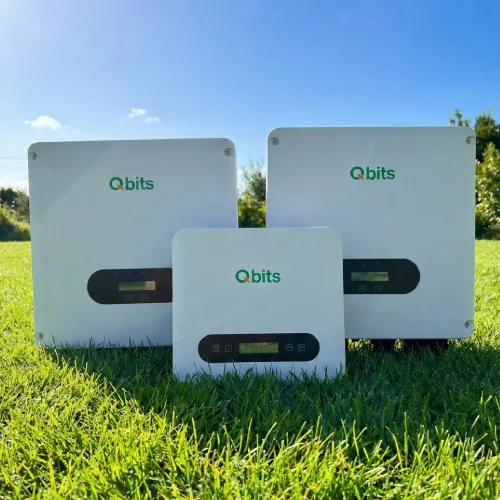
Grid-Tied Solar Inverters
Compare Qbits on-grid inverter families using exact model datasheets, string limits, communication options, and current written commercial documents.
Select by capacity, phase and string design
A suitable on-grid inverter must match the project's AC connection and the proposed modules' voltage and current. The QB-4/5/6KTLD datasheet specifies two independent MPPTs, an 80–550 V tracking range, 550 V maximum DC input and 20 A per tracker. A 50 V start-up figure is not its normal tracking range.
Check that model's datasheet, compare single versus three phase and use the string-sizing screen. For an exact recommendation, send your panel and connection details.
Compare on-grid models side by side
Each row is a model family from the published product data. The kW figure is the range across the family, and efficiency is the maximum figure quoted for it, so confirm the exact rating on the datasheet for the model you shortlist.
| Model | Capacity | Phase | MPPT | Max efficiency | Details |
|---|---|---|---|---|---|
| QB 1.5/2.0/2.7/3.0/3.3/3.6/4.0KTLS | 1.5–4 kW | Single-phase | 1 MPPT | 98% | Model page · Datasheet (PDF) · Enquire |
| QB 4.2/4.6/5/5.4/6KTLS | 4.2–6 kW | Single-phase | 1 MPPT | 98.0–98.1% by model | Model page · Datasheet (PDF) · Enquire |
| QB 4/5/6 KTLD | 4–6 kW | Single-phase | 2 MPPTs | 98.1% | Model page · Datasheet (PDF) · Enquire |
| QB 5/6/8/10/12/15/17KTLC | 5–17 kW | Three-phase | 2 MPPTs | 98.5–98.7% by model | Model page · Datasheet (PDF) · Enquire |
| QB 20/23/25/28/30KTLC | 20–30 kW | Three-phase | 2 MPPTs | 98.8% | Model page · Datasheet (PDF) · Enquire |
| QB 30/33/36/40KTLC-Pro | 30–40 kW | Three-phase | 3 MPPTs | 98.6–98.7% by model | Model page · Datasheet (PDF) · Enquire |
| QB 40/45/50KTLC-Plus | 40–50 kW | Three-phase | 4 MPPTs | 98.6–98.7% by model | Model page · Datasheet (PDF) · Enquire |
| QB 50/60KTLC | 50–60 kW | Three-phase | 3 MPPTs | 98.7–98.9% by model | Model page · Datasheet (PDF) · Enquire |
| QB 70/75/80/90/100/110KTLC-Pro | 70–110 kW | Three-phase | 6 or 8 MPPTs by model | 98.6–98.7% by model | Model page · Datasheet (PDF) · Enquire |
| QB 80/90/100/110/125KTLC | 80–125 kW | Three-phase | 8 to 10 MPPTs by model | 98.6–98.9% by model | Model page · Datasheet (PDF) · Enquire |
| QB 225/320K-EHV | 225–320 kW | Three-phase | 12 MPPTs; 14 or 16 optional on 320 kW | 99.02% | Model page · Datasheet (PDF) · Enquire |
Common system sizes and where to start
These are starting points for a shortlist, not a recommendation. The final choice depends on your connection, panels and roof.
3 kW
QB 3.0KTLS is a single-phase model with one MPPT, in the QB-1.5-4.0KTLS family. Read the 3 kW inverter guide for on-grid and hybrid options at this size.
5 kW
QB 5KTLS has one MPPT (QB-4.6-6KTLS family), QB 5KTLD has two (QB-4-6KTLD family), and QB 5KTLC is three-phase. The 5 kW inverter guide compares them by use case.
10 kW
QB 10KTLC is a three-phase model with two MPPTs, in the QB-6-17KTLC family. The 10 kW inverter guide covers three-phase picks for villas, shops and small units.
How to choose between on-grid models
Single-phase or three-phase
Match the inverter to the supply at your meter. A single-phase connection takes a single-phase inverter and a three-phase connection takes a three-phase one. DISCOMs set their own capacity limits for single-phase connections, so check yours before shortlisting. The single versus three phase guide walks through the decision.
Size to the sanctioned load and the array
Many DISCOMs limit solar capacity to the sanctioned load or contract demand shown on your electricity bill, so start there. Then pair the inverter's AC rating with the array's DC size. A DC array moderately larger than the AC rating is common, but too large a ratio clips output at midday. See solar inverter sizing for the arithmetic.
Number of MPPTs
One MPPT suits a roof where every panel faces the same way with the same shade. Roofs with two orientations, or a mix of shaded and open areas, are easier to design with separate MPPT inputs, so check the MPPT column above. Dual versus single MPPT explains when the extra input is worth it.
On-grid or hybrid
An on-grid inverter exports to the grid and does not supply the home during an outage on its own. If you need backup from a battery, look at the hybrid inverters instead, and read on-grid versus hybrid to compare the two.
For installers and dealers who want to supply these models, see how to become a Qbits partner.
Single Phase Inverters
Suited to residential installations, with monitoring options that vary by model and accessory. Each model lists its own maximum efficiency.
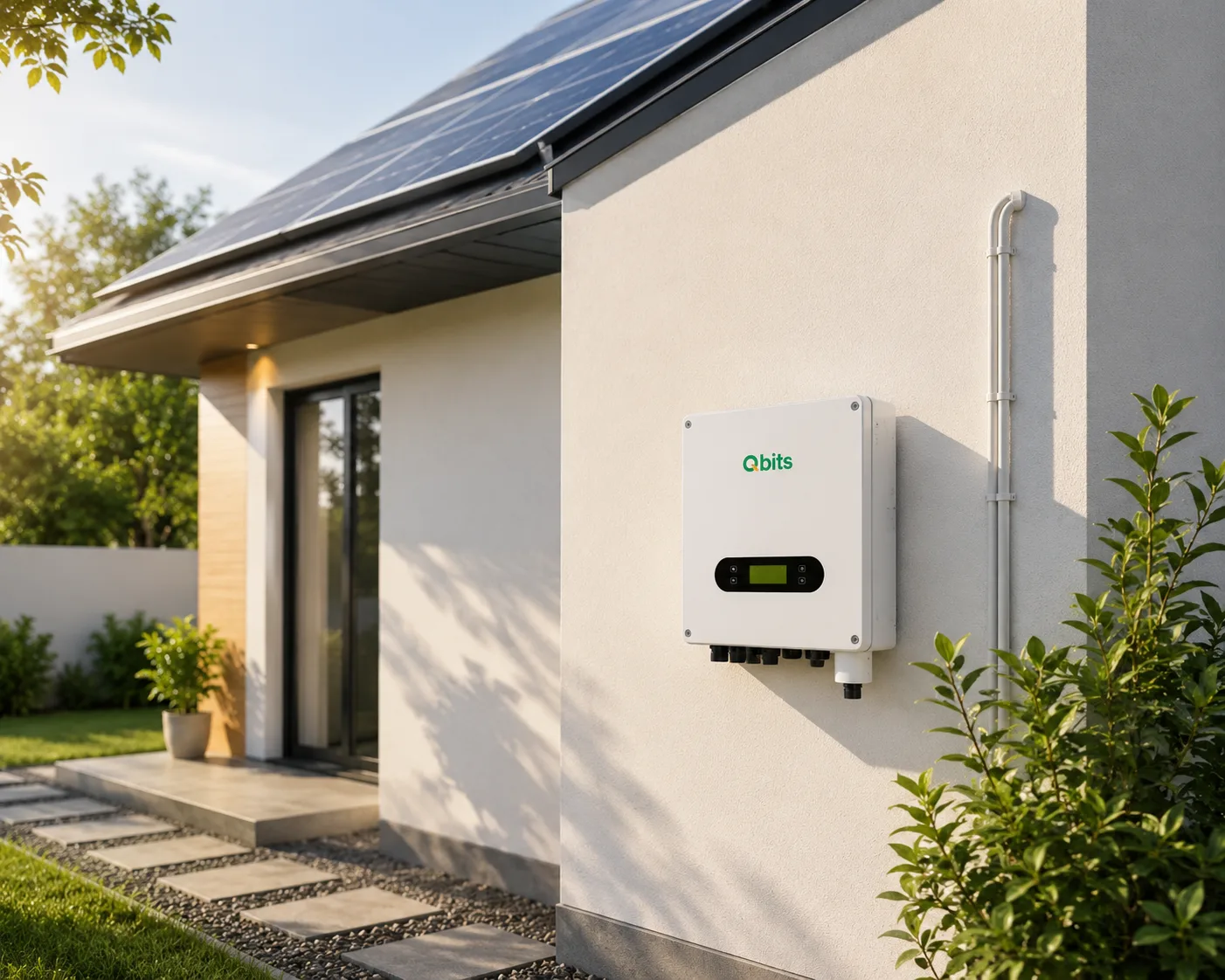
QB 1.5/2.0/2.7/3.0/3.3/3.6/4.0KTLS
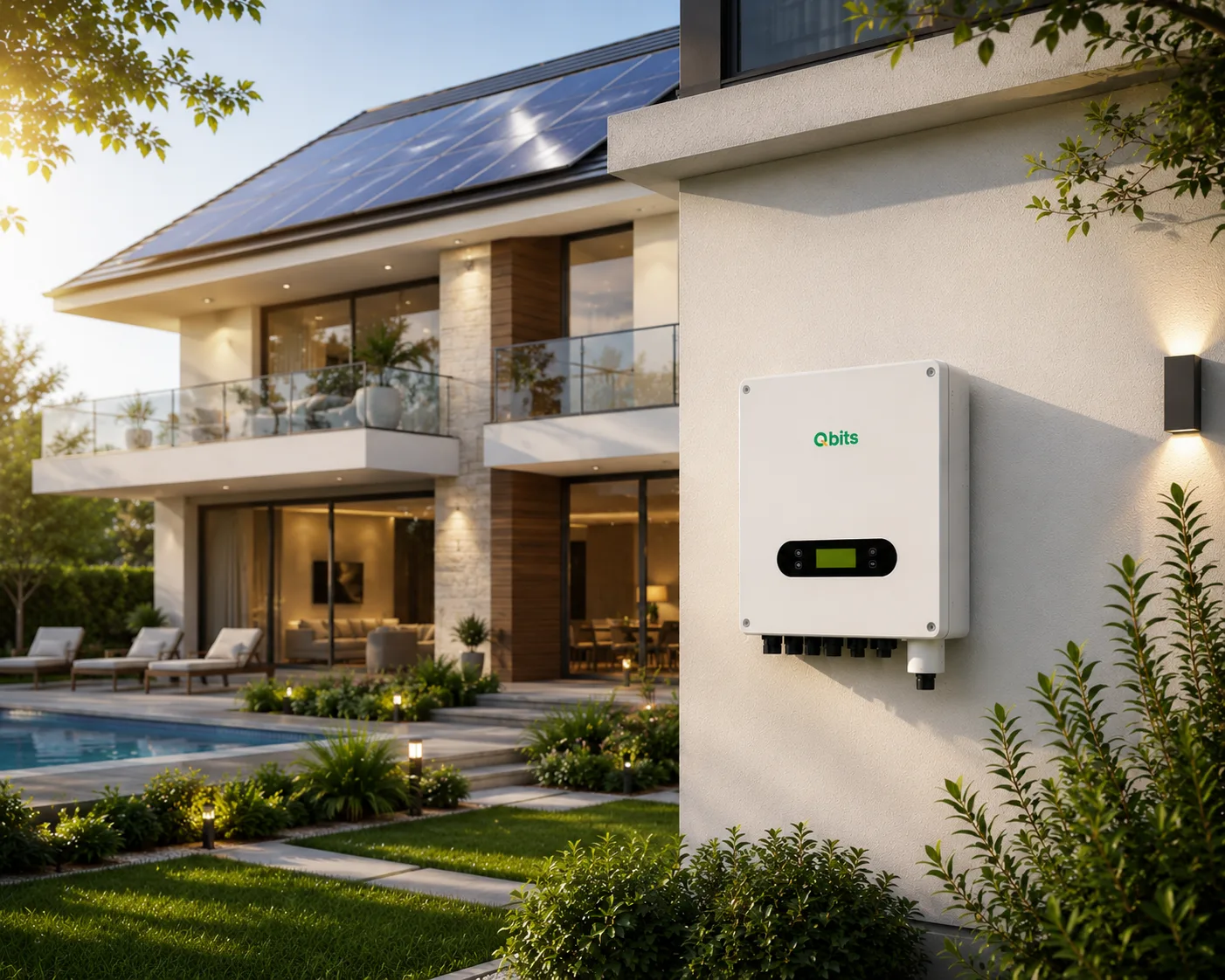
QB 4.2/4.6/5/5.4/6KTLS
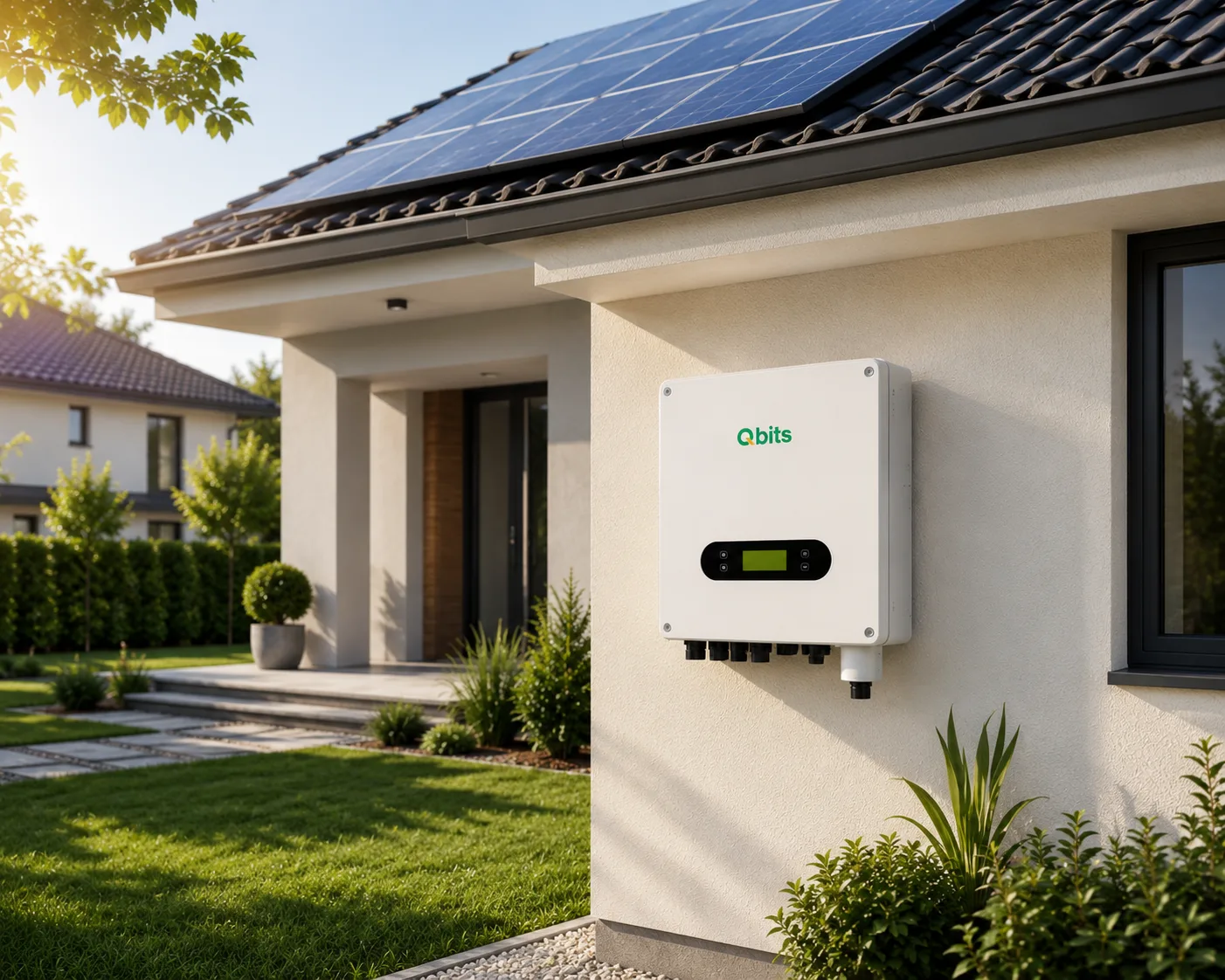
QB 4/5/6 KTLD
Three Phase Inverters
Models for commercial and industrial installations. Compare each model's MPPT configuration, voltage and current limits, protection, derating, communications, and required certificates.
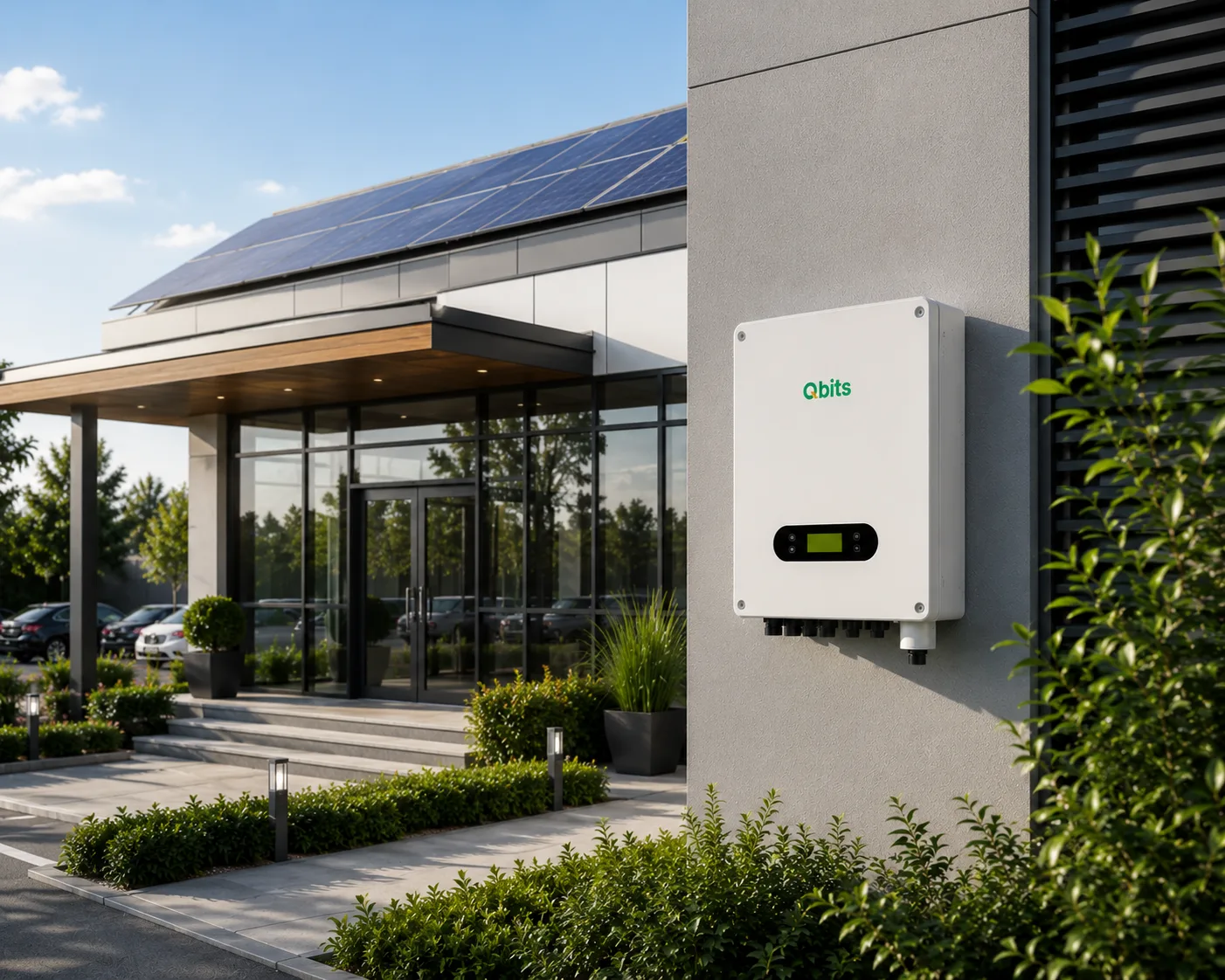
QB 5/6/8/10/12/15/17KTLC
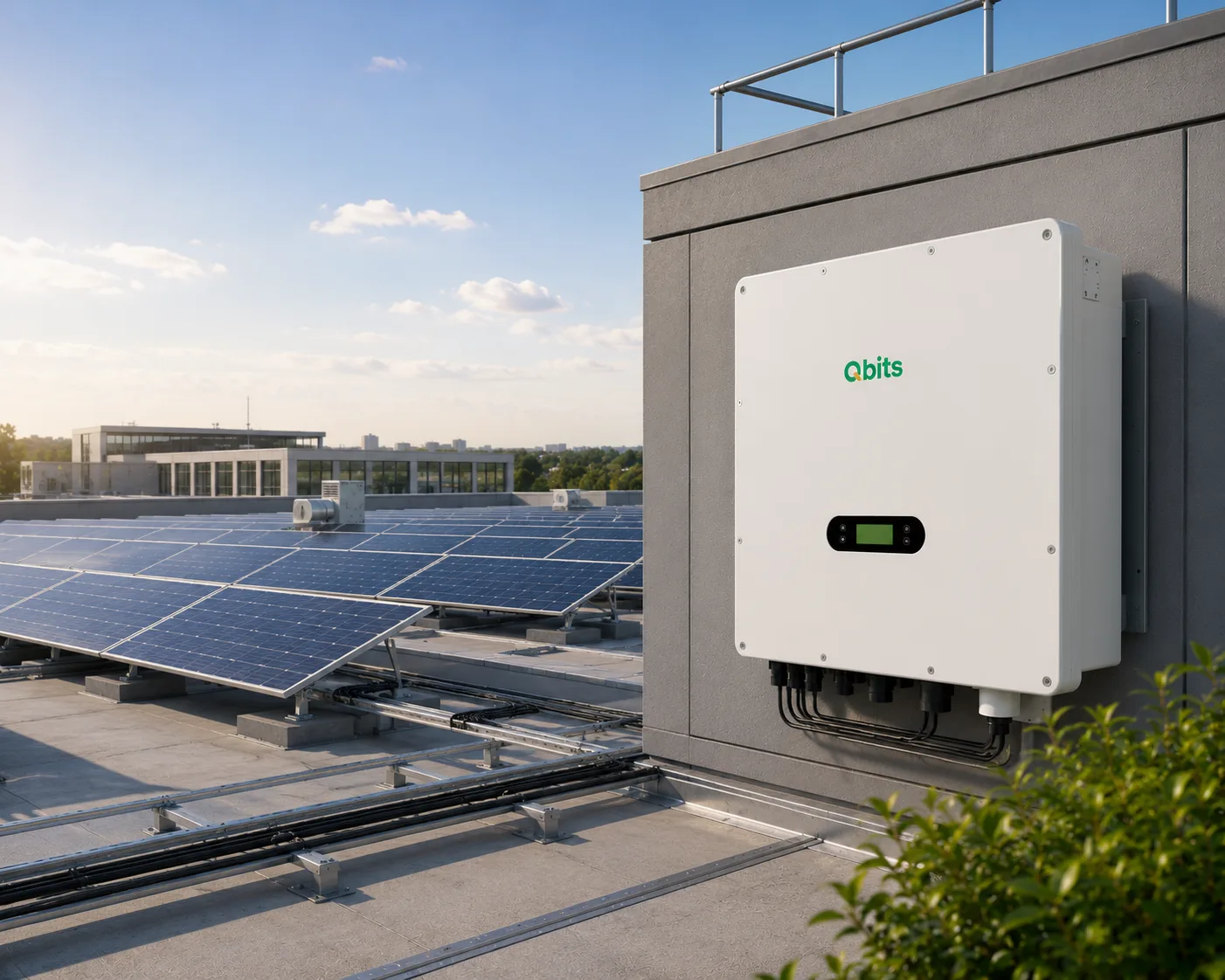
QB 20/23/25/28/30KTLC
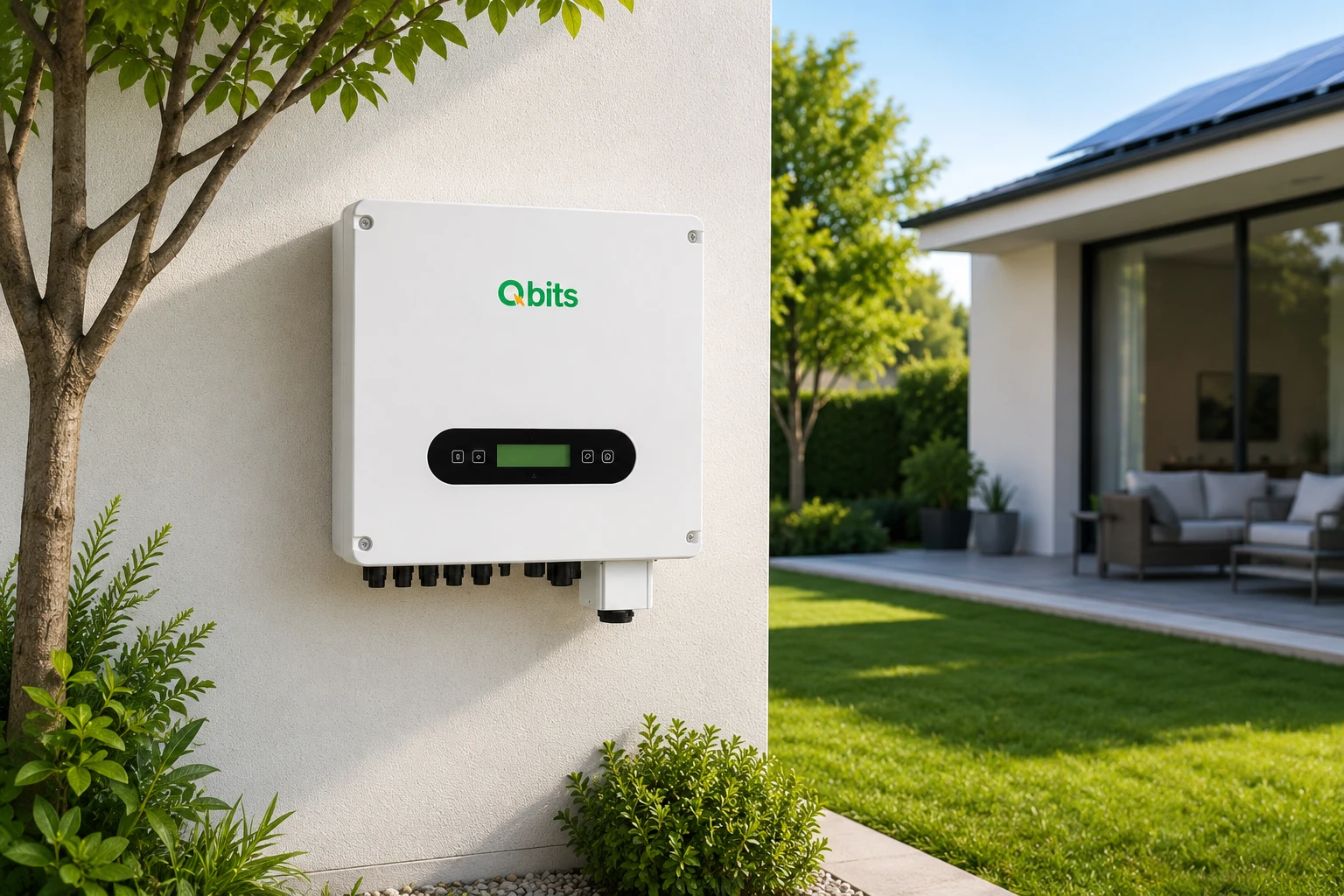
QB 30/33/36/40KTLC-Pro
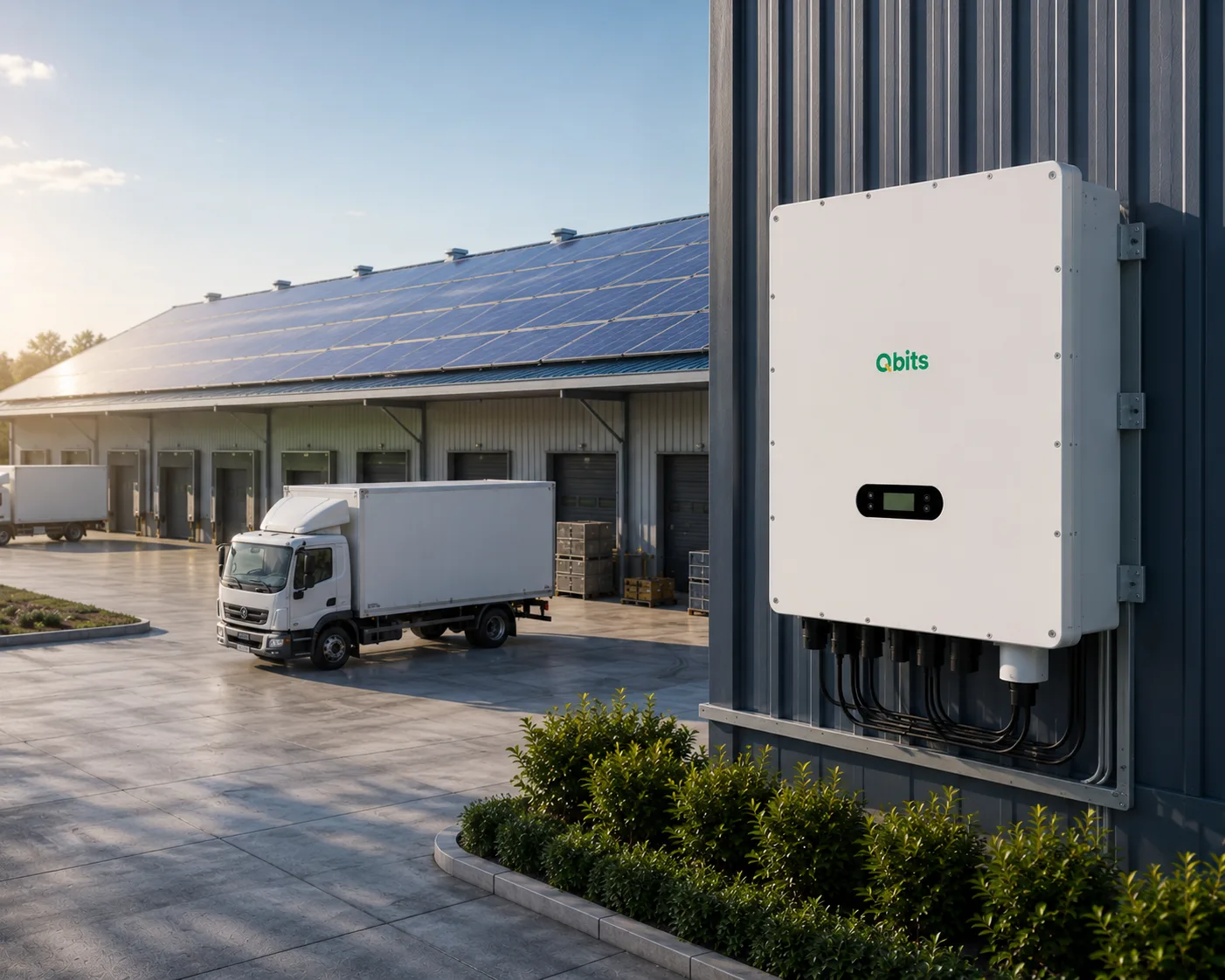
QB 40/45/50KTLC-Plus
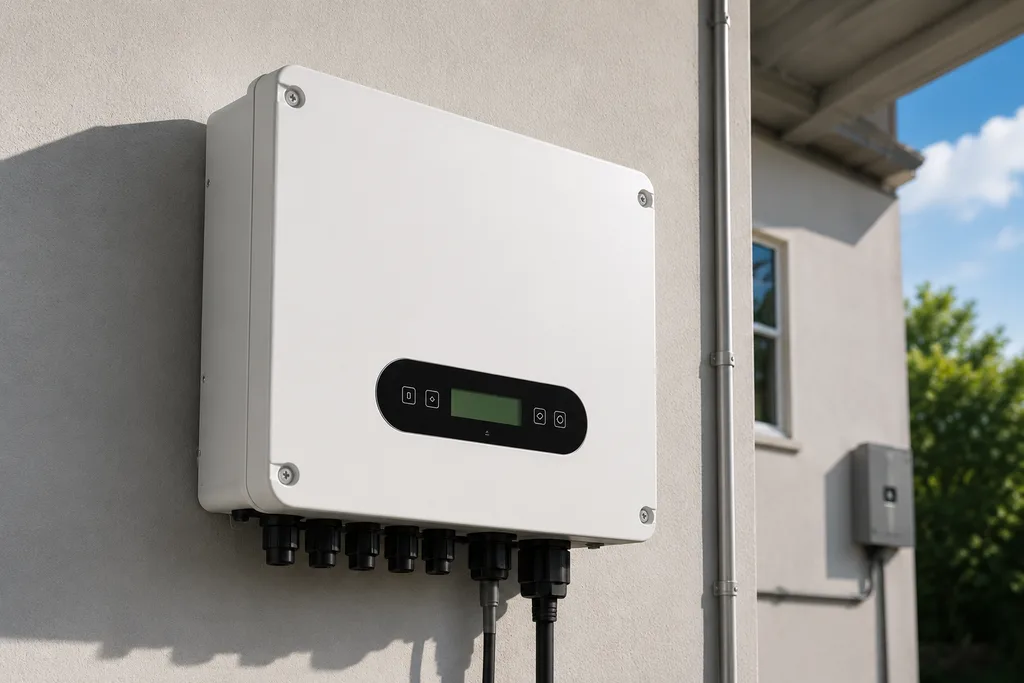
QB 50/60KTLC
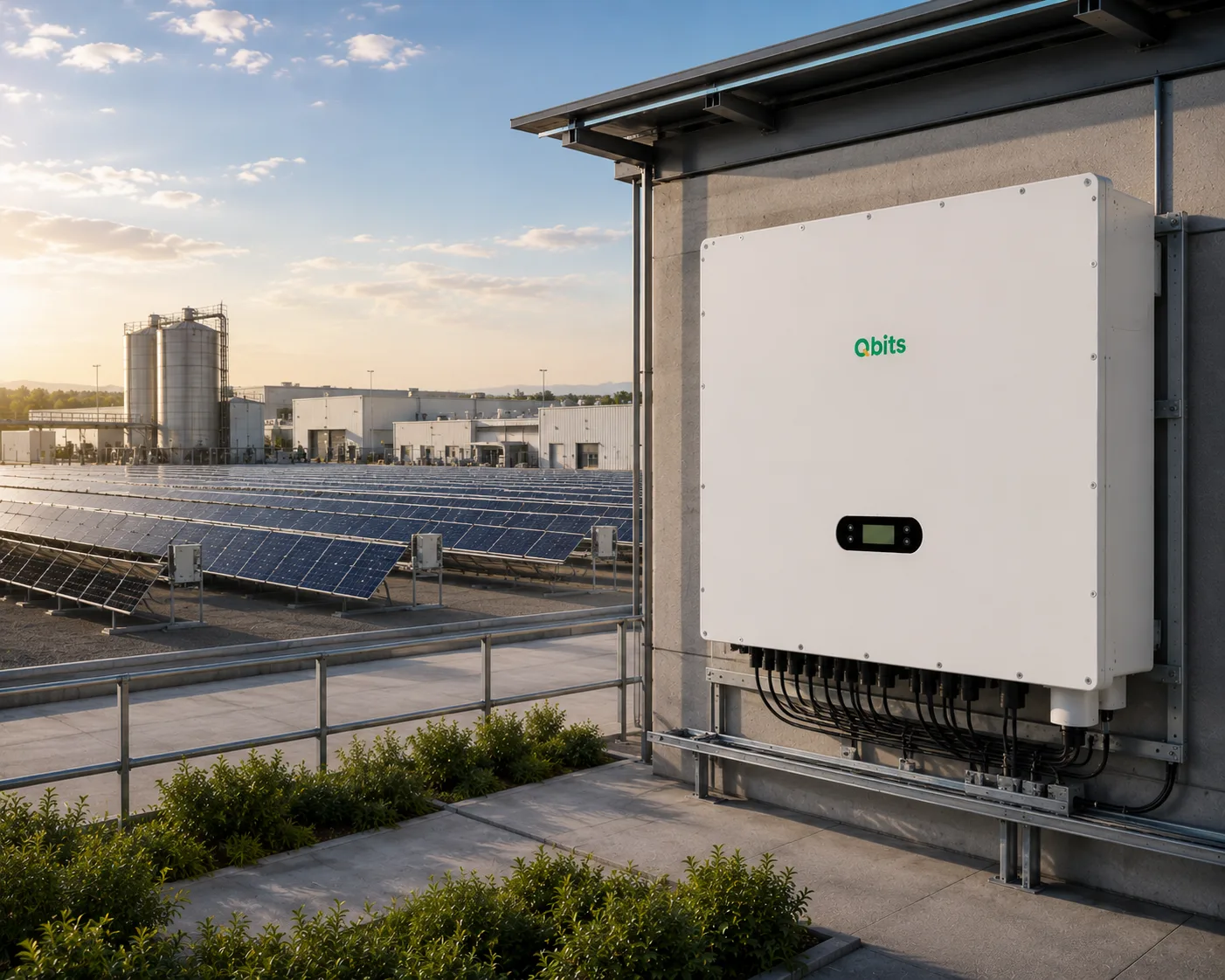
QB 70/75/80/90/100/110KTLC-Pro
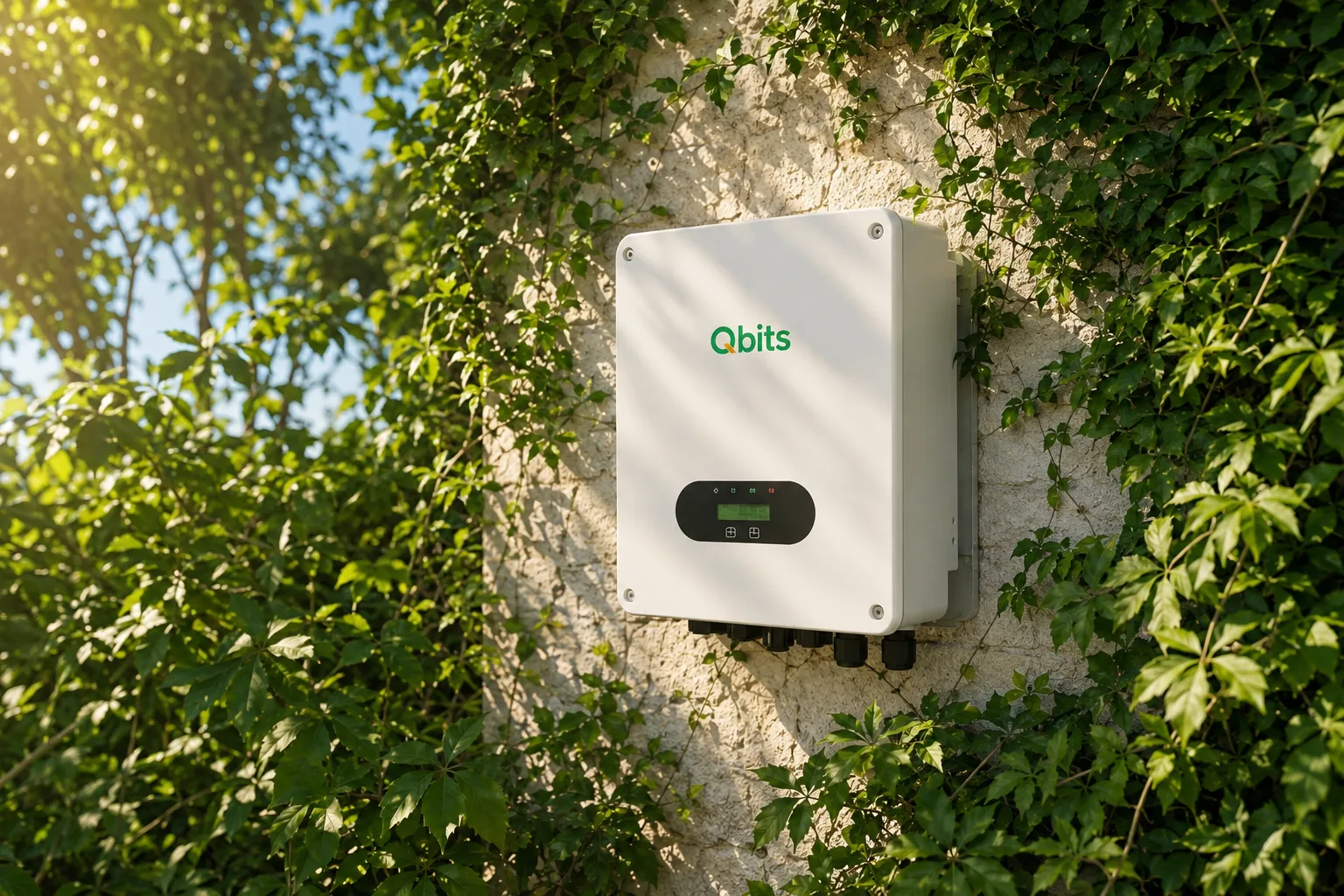
QB 80/90/100/110/125KTLC
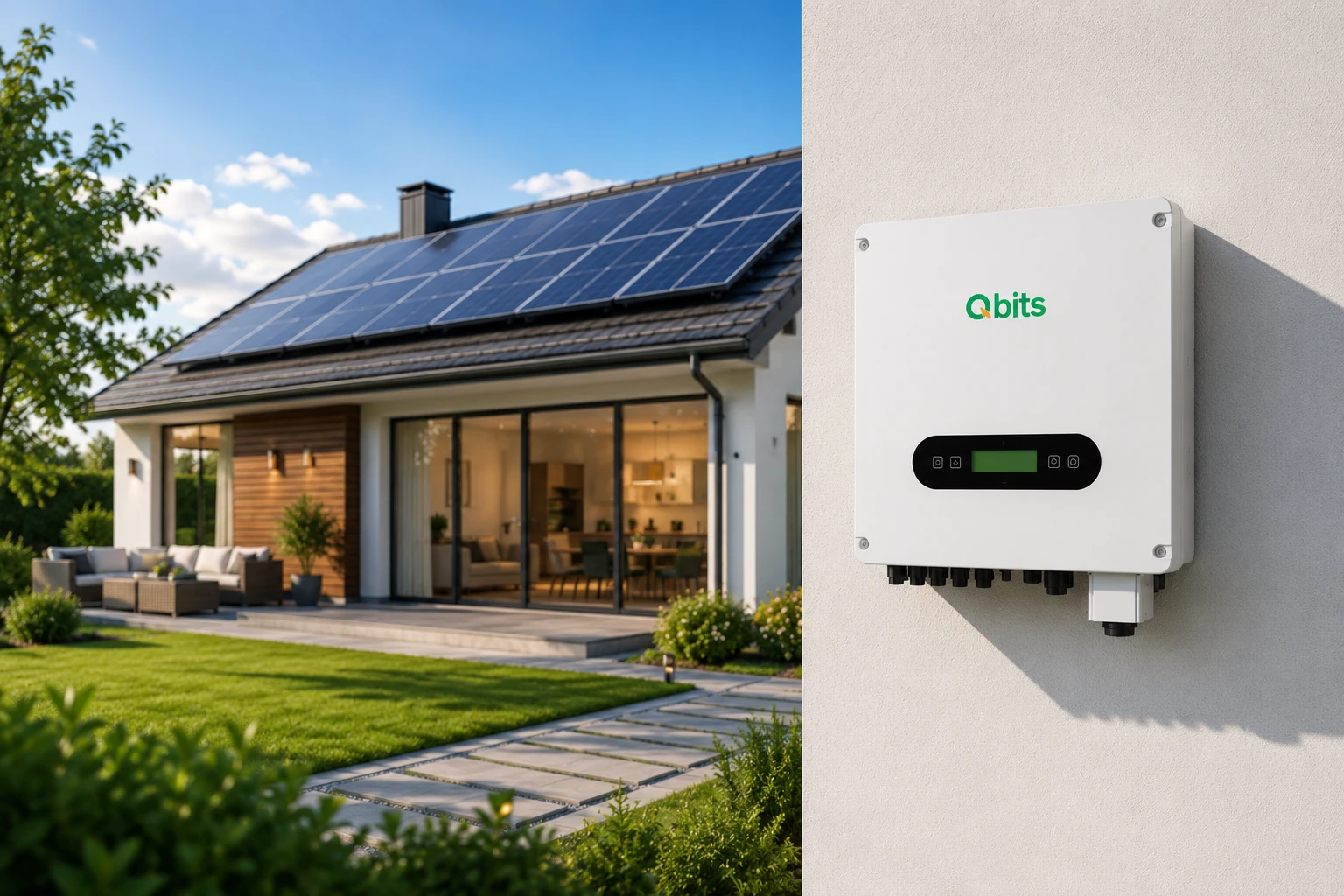
QB 225/320K-EHV
The Inverter In His Hands
Dilip Joshi is pictured with a Qbits on-grid inverter. Before selecting a unit, match the exact model to the site design and obtain its current datasheet, certificates, installation instructions, and written warranty terms.
Model
Check Datasheet
Terms
Check Warranty
IP66
Published Enclosure
Docs
Check Certificates

Not Sure Which Inverter You Need?
Use the preliminary string screen, then request current model documents and confirm any advisory or engineering scope.