



Solar Inverter Failure: 20 Critical Questions Answered

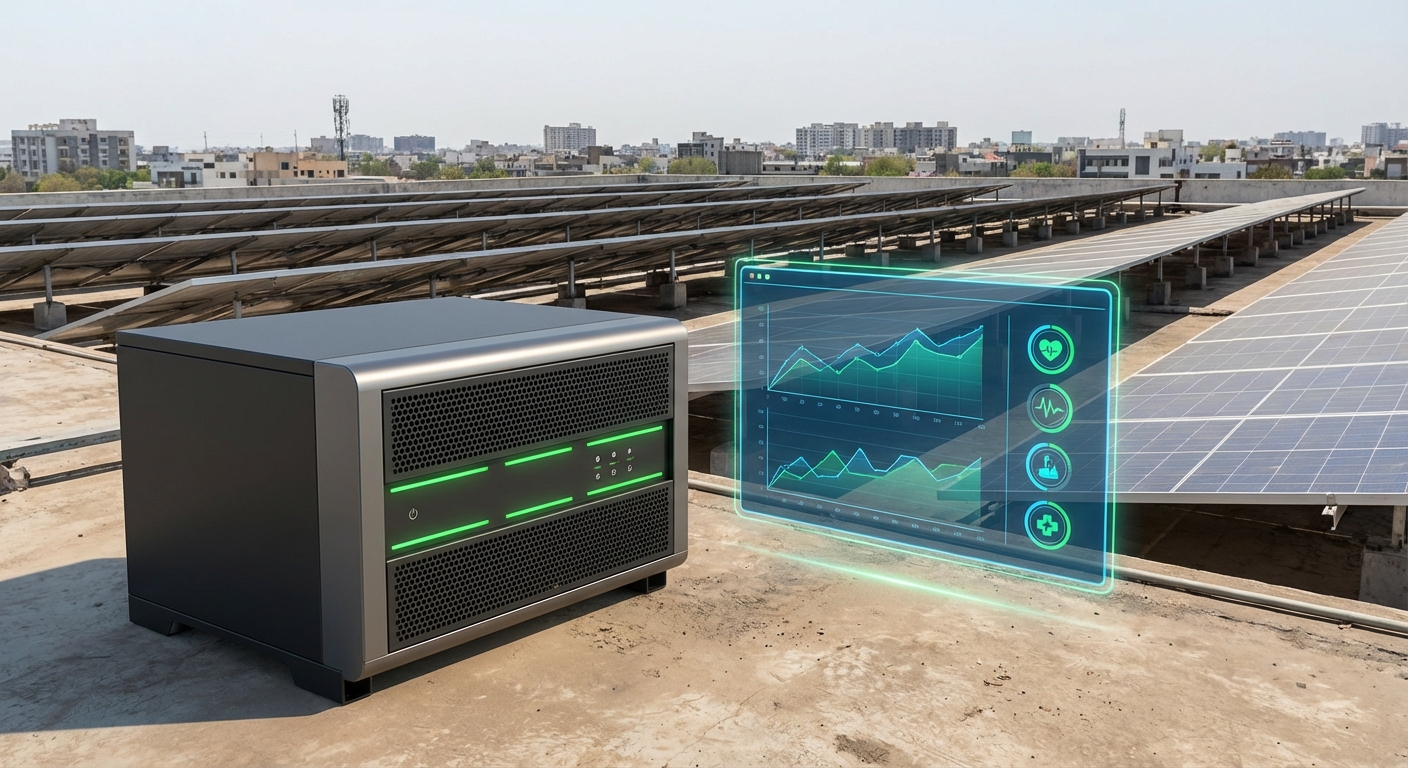
Solar inverter failure represents one of the most critical risks facing solar installations across India today. For EPCs managing multiple commercial projects, distributors building their product portfolios, and facility owners investing in renewable energy, understanding the patterns, causes, and prevention strategies for inverter failure isn’t just technical knowledge—it’s financial protection. A single inverter failure can halt energy production, trigger warranty disputes, and erode the ROI that justified the solar investment in the first place.
In India’s challenging climate conditions, where temperatures regularly exceed 45°C and grid instability remains a persistent concern, inverter failure rates can significantly impact project economics. This comprehensive guide answers 20 critical questions about solar inverter failure, providing actionable insights to help you select reliable equipment, implement effective monitoring, and respond decisively when problems arise.
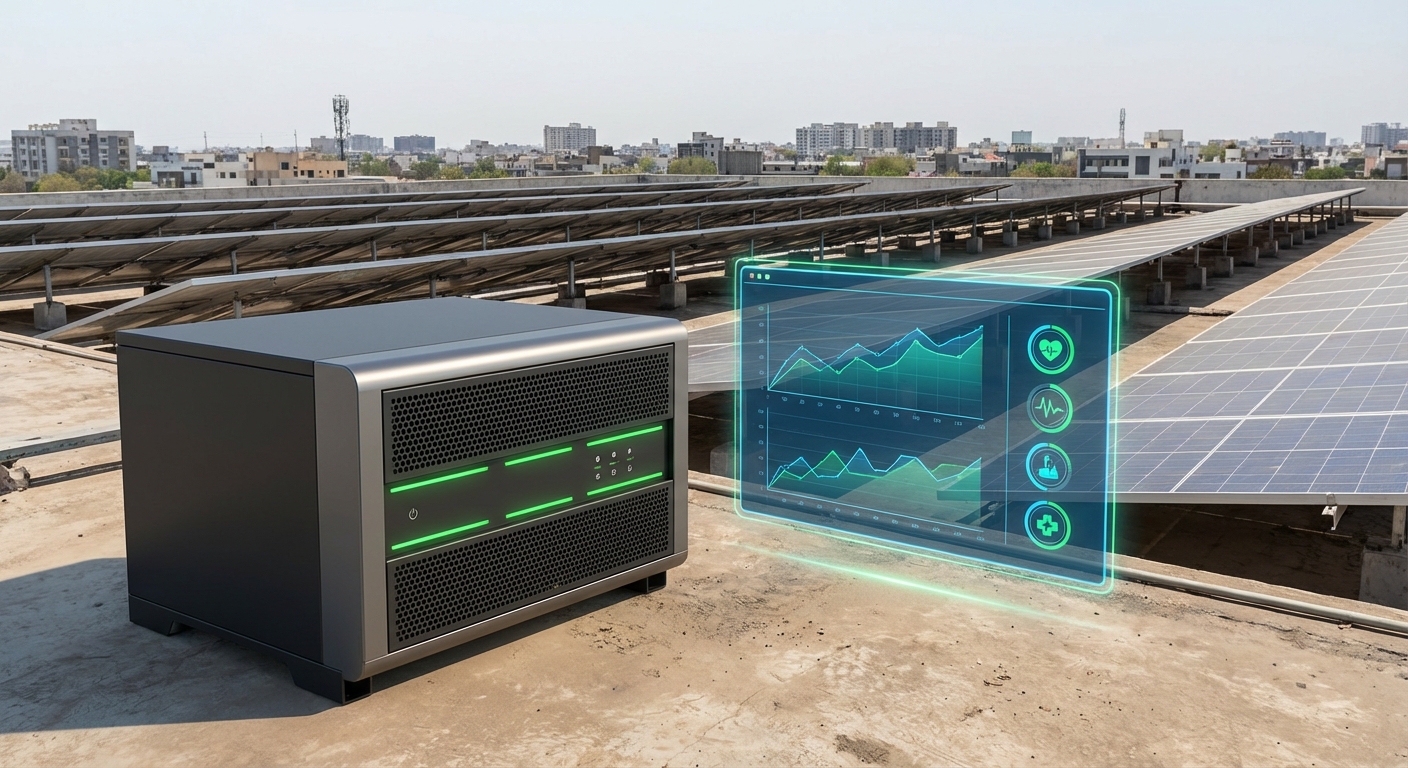
Understanding Solar Inverter Failure in India’s Solar Market
What exactly constitutes inverter failure, and why does it matter?
Solar inverter failure occurs when the device can no longer convert DC power from solar panels into usable AC power, either partially or completely. This isn’t limited to total shutdown—performance degradation below 90% of rated capacity, frequent error codes, or inability to maintain grid synchronization all represent forms of inverter failure that impact your bottom line.
The financial impact is substantial. A commercial solar installation generating 100 kW can lose ₹15,000-25,000 in revenue for every day the inverter remains offline, depending on electricity rates and time of year. For EPCs, inverter failure during warranty periods means service calls, replacement logistics, and potential reputation damage with clients. For distributors, high failure rates translate to increased support costs and lost channel partner confidence.
What are typical inverter failure rates in Indian conditions?
Industry data suggests that standard solar inverters experience failure rates between 3-8% within the first five years of operation in Indian climate conditions. However, this varies dramatically based on component quality, installation practices, and environmental protection features. Premium inverters with German-grade components and comprehensive quality testing demonstrate failure rates below 2% over the same period.
India’s unique challenges—extreme heat, monsoon humidity, dust accumulation, and grid voltage fluctuations, accelerate component stress compared to temperate climates. This makes inverter selection and quality standards even more critical for installations across the country.
Early Warning Signs: How to Detect Inverter Failure Before It Happens
What are the first signs of impending inverter failure?
Detecting inverter failure early can mean the difference between scheduled maintenance and emergency downtime. Watch for these critical warning signs:
- Performance degradation: Gradual decline in energy output (5-10% below expected) without corresponding changes in solar irradiance
- Frequent error codes: Recurring fault messages, even if the inverter resets and resumes operation
- Temperature anomalies: Inverter running hotter than normal, with cooling fans operating continuously
- Unusual sounds: Buzzing, clicking, or humming noises that weren’t present during normal operation
- Display irregularities: Flickering screens, intermittent connectivity, or inconsistent status indicators
- Grid disconnection events: Inverter repeatedly disconnecting from the grid without clear cause
How can monitoring systems help detect problems early?
Advanced solar inverter monitoring systems serve as your first line of defense against unexpected inverter failure. Real-time monitoring tracks dozens of performance parameters simultaneously, identifying subtle deviations that human inspection might miss.
Modern AI-powered monitoring analyzes historical performance data to establish baseline patterns, then flags anomalies that suggest developing problems. For example, a gradual increase in operating temperature over several weeks might indicate cooling system degradation, a problem that’s easily addressed during scheduled maintenance but could lead to complete inverter failure if left unattended.
Systems with instant alert capabilities, including WhatsApp notifications, ensure that EPCs and facility managers receive immediate notification of performance issues, enabling rapid response before minor problems escalate into costly failures.
Root Causes: Why Do Solar Inverters Fail?
What are the most common causes of inverter failure in India?
Understanding root causes helps you select inverters designed to withstand these specific stresses. The primary culprits behind solar inverter failure include:
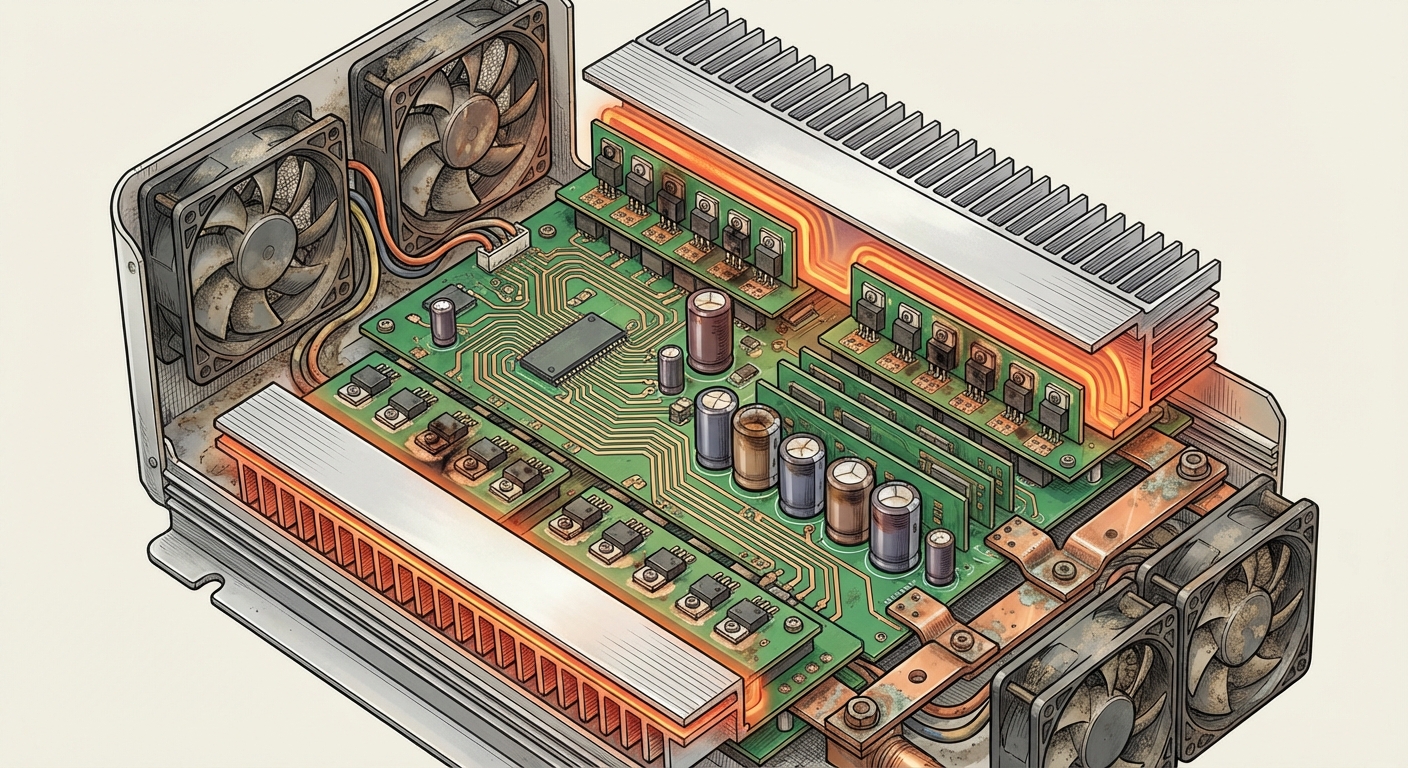
1. Component degradation from heat stress: India’s extreme temperatures accelerate the aging of electronic components, particularly electrolytic capacitors. These components have temperature-dependent lifespans, every 10°C increase in operating temperature can halve their expected life. Inverters without adequate thermal management or IP66 weather protection face accelerated component failure.
2. Grid instability and voltage fluctuations: Many regions in India experience significant grid voltage variations, with fluctuations of ±15-20% not uncommon. These variations stress inverter power electronics, particularly MOSFETs and IGBTs, leading to premature failure. Quality inverters incorporate DC and AC surge protection devices (SPDs) to mitigate this risk.
3. Moisture ingress and corrosion: During monsoon season, humidity levels can exceed 90%, and inadequate sealing allows moisture to penetrate inverter enclosures. This leads to corrosion of circuit boards, connection points, and electronic components. Inverters rated below IP65 face significantly higher failure risk in coastal and high-humidity regions.
4. Poor quality components: Cost-cutting in manufacturing often targets electronic components, using standard-grade capacitors instead of industrial-grade, lower-quality circuit boards, or inadequate solder joints. These compromises aren’t visible during installation but manifest as early inverter failure within 2-4 years.
5. Installation errors: Improper mounting that restricts airflow, inadequate cable sizing, poor grounding, or installation in locations with insufficient ventilation all contribute to inverter failure. Even premium inverters will fail prematurely if installation doesn’t follow manufacturer specifications.
6. Dust and particulate accumulation: In many Indian regions, airborne dust accumulates on cooling vents and heat sinks, reducing thermal dissipation capacity. This causes inverters to operate at elevated temperatures, accelerating component aging and increasing inverter failure risk.
Component Quality & Manufacturing Standards
How can you identify high-quality inverter components before purchase?
Component quality directly determines inverter reliability, but these differences aren’t always visible in specification sheets. Here’s what separates premium inverters from standard offerings:
Capacitor quality: Industrial-grade electrolytic capacitors with 105°C temperature ratings significantly outlast standard 85°C components. Ask manufacturers specifically about capacitor specifications and temperature ratings. Premium inverters use Japanese or German-manufactured capacitors with proven longevity.
Circuit board quality: Multi-layer PCBs with controlled impedance, gold-plated connection points, and conformal coating resist moisture and corrosion far better than standard boards. The thickness of copper traces also matters, thicker traces handle current more efficiently with less heat generation.
Power semiconductor selection: MOSFETs and IGBTs from established manufacturers (Infineon, ON Semiconductor, STMicroelectronics) demonstrate superior reliability compared to generic alternatives. These components handle switching stress and thermal cycling more effectively.
What certifications indicate reliable manufacturing?
Certifications provide third-party validation of quality standards, but not all certifications carry equal weight:
- BIS/IEC certification: Mandatory for Indian market, ensures basic safety and performance standards
- ISO 9001: Indicates quality management systems are in place during manufacturing
- TÜV certification: German testing standards that verify component quality and safety
- UL certification: North American safety standards that include rigorous component testing
How many quality tests should a premium inverter undergo?
Manufacturing quality control separates reliable inverters from those prone to early failure. Standard manufacturers might conduct 100-200 tests per unit, checking basic functionality. Premium manufacturers implement comprehensive testing protocols with 1000+ automated quality tests per unit, including:
- Thermal cycling tests to verify performance across temperature ranges
- Voltage stress tests simulating grid instability
- Humidity and moisture resistance testing
- Vibration and mechanical stress testing
- Long-duration burn-in testing under load
- EMI/EMC testing for electromagnetic compatibility
This level of testing identifies potential failures before products reach the field, dramatically reducing early inverter failure rates.
Prevention Strategies: Minimizing Inverter Failure Risk
What preventive maintenance practices extend inverter life and reduce failure risk?
Proactive maintenance significantly reduces inverter failure probability. Implement these practices across your installations:
Quarterly visual inspections: Check for dust accumulation on cooling vents, verify LED indicators show normal operation, inspect cable connections for signs of overheating or corrosion, and ensure mounting remains secure. These 15-minute inspections catch developing problems early.
Semi-annual cleaning: Remove dust and debris from cooling vents and heat sinks using compressed air or soft brushes. In high-dust environments, increase frequency to quarterly. Ensure inverter is powered down during cleaning to prevent electrical hazards.
Annual thermal imaging: Use infrared cameras to identify hot spots indicating poor connections, component stress, or inadequate cooling. Temperature differentials of more than 10°C between similar components warrant investigation.
Continuous performance monitoring: Implement monitoring systems that track efficiency, operating temperature, and energy production. Establish baseline performance metrics and investigate any deviation exceeding 5%.
How important is proper installation in preventing inverter failure?
Installation quality rivals component quality in determining inverter longevity. Even the most reliable inverter will experience premature failure if installation doesn’t meet these standards:
- Adequate ventilation: Maintain minimum clearances specified by manufacturer (typically 30-50cm on all sides). Avoid enclosed spaces without active ventilation.
- Shade and temperature control: Install inverters in shaded locations or use protective enclosures. Direct sunlight can increase enclosure temperature by 15-20°C above ambient.
- Proper cable sizing: Undersized cables generate heat and voltage drop, stressing inverter input stages. Follow manufacturer specifications for cable gauge based on distance and current.
- Quality grounding: Proper earthing protects against lightning strikes and voltage surges. Verify ground resistance below 5 ohms.
- Surge protection: Install both DC and AC surge protection devices, particularly in regions with frequent lightning or grid instability.
For detailed guidance on installation best practices, review comprehensive inverter selection criteria that include installation considerations.
Selection Criteria: Choosing Failure-Resistant Inverters
What features indicate a reliable, failure-resistant inverter?
When evaluating inverters for your projects, prioritize these reliability indicators that directly correlate with reduced inverter failure rates:
Extended warranty coverage: Warranty length reflects manufacturer confidence in reliability. While standard warranties range from 5-7 years, premium manufacturers offer 12-year full replacement warranties. This isn’t just about coverage, it indicates the manufacturer has engineered for longevity and stands behind their product quality.
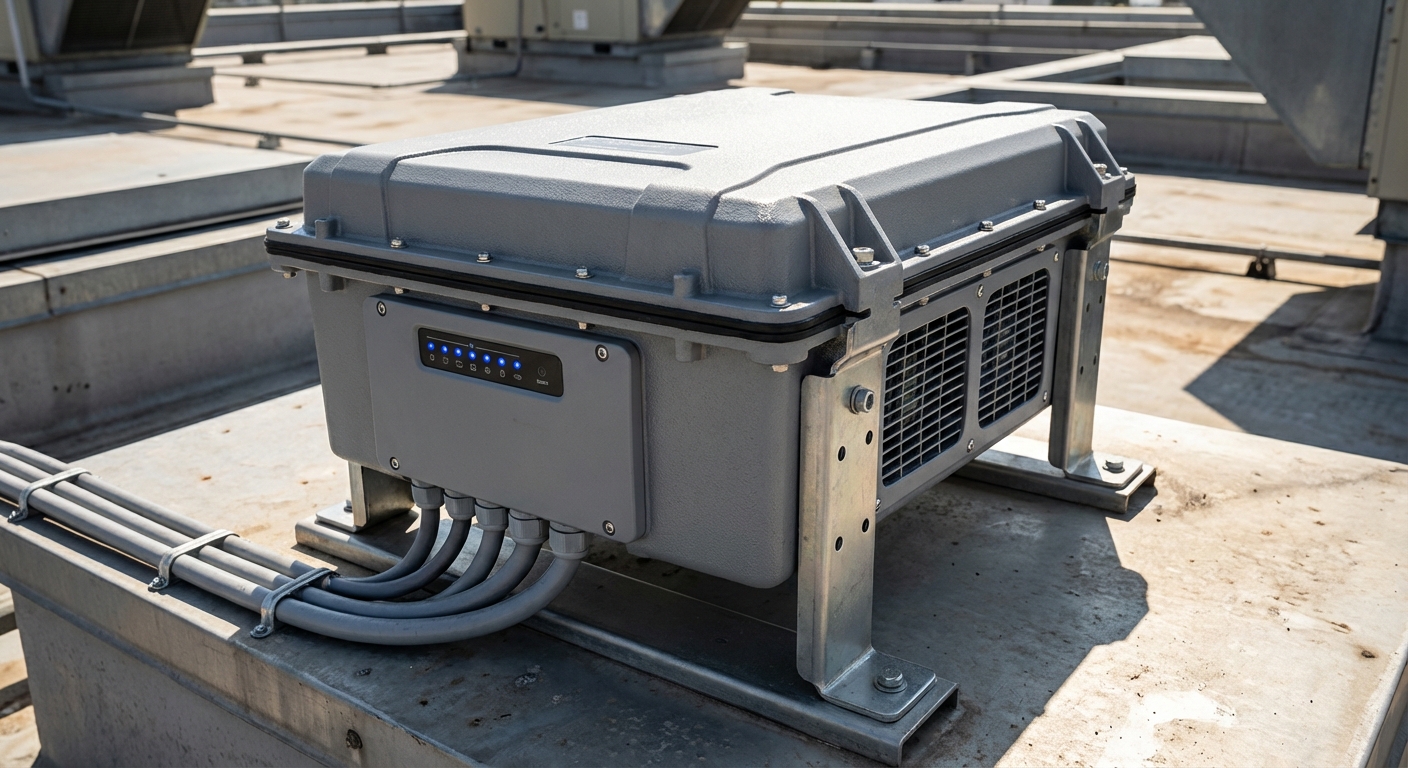
Weather protection rating: IP66 rating ensures complete dust protection and resistance to powerful water jets, critical for rooftop installations exposed to monsoon conditions. Lower ratings (IP54 or IP65) leave inverters vulnerable to moisture ingress and dust accumulation.
Thermal management design: Look for inverters with intelligent cooling systems, oversized heat sinks, and temperature-controlled fan operation. Inverters that maintain lower operating temperatures (below 60°C under load) demonstrate superior thermal design.
Surge protection integration: Built-in DC and AC surge protection devices protect against voltage spikes from lightning and grid instability. This integrated protection is more reliable than external SPDs that may not be properly installed.
DC oversizing capability: Inverters supporting 100% DC oversizing handle high-wattage panels (750W+) without stress, operating within their design envelope even during peak production. This reduces component stress and extends lifespan.
Efficiency ratings: High efficiency (98%+) indicates superior power electronics design with lower internal losses. Lower losses mean less heat generation, which directly translates to longer component life and reduced inverter failure risk.
How does warranty structure predict reliability?
Warranty terms reveal manufacturer confidence and financial commitment to reliability. Compare these warranty structures:
Full replacement warranties commit the manufacturer to replace the entire unit if failure occurs, eliminating repair delays and ensuring consistent performance. This is far superior to repair warranties that may replace failed components but leave aging components in service.
Digital warranty systems streamline claim processing and documentation, reducing downtime when inverter failure occurs. Traditional paper-based warranty systems can add weeks to replacement timelines.
Manufacturers offering extended warranties (10-12 years) have necessarily invested in component quality and testing protocols to make these warranties financially viable. This investment directly benefits you through reduced inverter failure rates.
Should you choose on-grid or hybrid inverters for reliability?
Both on-grid and hybrid inverters can deliver excellent reliability when properly engineered, but they face different stress profiles. On-grid inverters have simpler architectures with fewer components, potentially offering slightly higher inherent reliability. However, modern hybrid inverters with battery integration provide backup capability that maintains power delivery even during grid failures, offering system-level reliability advantages.
The key is selecting inverters specifically designed for their application, with appropriate component ratings and thermal management for the additional complexity in hybrid systems. Quality hybrid inverters from established manufacturers demonstrate reliability comparable to on-grid units.
When Failure Occurs: Immediate Response & Warranty Claims
What should you do immediately when inverter failure occurs?
Rapid response minimizes downtime and revenue loss. Follow this protocol when inverter failure is detected:
Step 1 – Document the failure: Record error codes, LED status indicators, and any unusual sounds or smells. Take photographs of the display and inverter condition. Note the date, time, and weather conditions when failure occurred.
Step 2 – Check basic issues: Verify AC and DC breakers are closed, inspect for tripped circuit protection, check cable connections for looseness or damage, and confirm grid power is available. Many apparent failures are actually protection system responses to external conditions.
Step 3 – Review monitoring data: If monitoring systems are installed, review performance history leading up to failure. Look for patterns suggesting gradual degradation versus sudden failure. This information is valuable for warranty claims and root cause analysis.
Step 4 – Contact manufacturer support: Reach out to manufacturer technical support with documentation. Quality manufacturers provide rapid response through dedicated support channels, including technical helpdesk services.
Step 5 – Initiate warranty claim: If the inverter is within warranty period, begin the claim process immediately. Digital warranty systems expedite this process significantly compared to traditional paper-based systems.
What does a comprehensive warranty actually cover?
Warranty coverage varies significantly between manufacturers. Premium warranties include:
- Full unit replacement: Complete inverter replacement rather than component-level repairs
- Shipping and logistics: Manufacturer covers transportation costs for failed units and replacements
- On-site support: Technical assistance for diagnosis and replacement installation
- Performance guarantees: Coverage for degradation below specified efficiency levels, not just complete failure
- Extended coverage period: 10-12 year coverage versus standard 5-7 years
Understand warranty exclusions as well, most warranties don’t cover damage from improper installation, unauthorized modifications, or operation outside specified parameters. Proper documentation of installation and maintenance helps ensure warranty claims are honored.
For warranty documentation and claim processing, manufacturers with digital warranty systems provide streamlined access to warranty certificates and claim status tracking.
Advanced Monitoring: Your First Line of Defense Against Inverter Failure
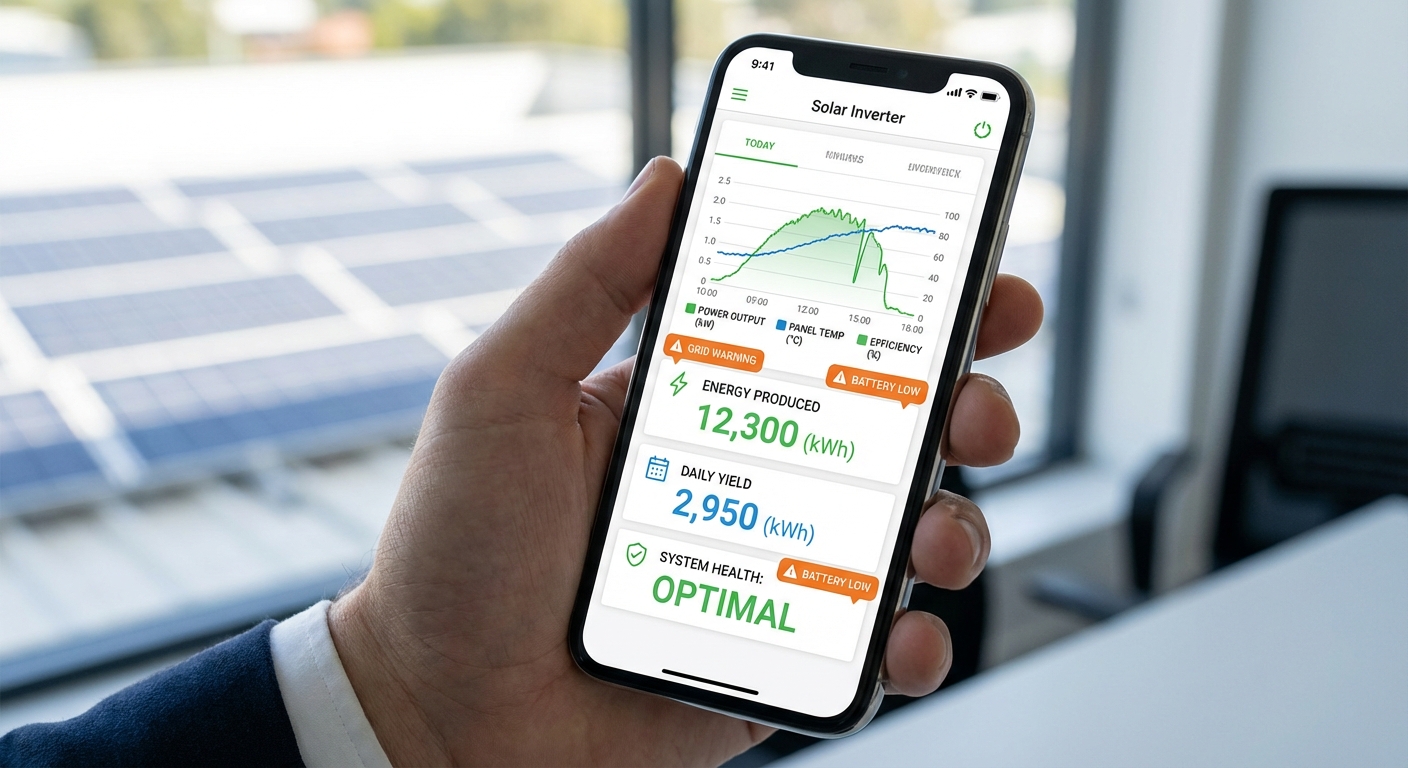
How does AI-powered monitoring prevent inverter failure?
Advanced monitoring systems transform inverter failure prevention from reactive to predictive. AI-powered monitoring analyzes performance patterns across multiple parameters simultaneously, identifying subtle anomalies that indicate developing problems:
Predictive analytics: Machine learning algorithms establish baseline performance profiles for each inverter, then detect deviations suggesting component degradation. For example, gradual efficiency decline of 0.5% per month might indicate capacitor aging, a problem that can be addressed during scheduled maintenance before complete inverter failure occurs.
Real-time alerts: Instant notifications via WhatsApp, SMS, or email ensure EPCs and facility managers learn about problems immediately, not during the next site visit. This rapid notification enables quick response that minimizes downtime.
Remote diagnostics: Advanced monitoring systems provide detailed diagnostic data accessible remotely, allowing technical teams to assess problems and prepare solutions before dispatching technicians. This reduces multiple site visits and accelerates problem resolution.
Performance benchmarking: Monitoring systems compare individual inverter performance against fleet averages, identifying underperforming units that may be developing problems. This comparative analysis catches issues that might appear normal when viewed in isolation.
What connectivity options provide the most reliable monitoring?
Monitoring reliability depends on consistent connectivity. Modern inverters offer multiple connectivity options:
- Wi-Fi connectivity: Suitable for installations with reliable wireless networks, offering high bandwidth for detailed data transmission
- 4G cellular connectivity: Provides independent connectivity without reliance on site networks, ideal for remote installations
- Bluetooth connectivity: Enables local monitoring and configuration via smartphone apps during site visits
Premium monitoring systems incorporate multiple connectivity options with automatic failover, ensuring continuous monitoring even if one connection method fails. This redundancy is critical for early detection of inverter failure indicators.
For comprehensive information on monitoring capabilities and their role in preventing inverter failure, explore detailed guides on solar inverter monitoring systems available in the Indian market.
Financial Impact & ROI Protection
How does inverter failure affect solar project ROI?
Inverter failure impacts project economics through multiple channels, making reliability a critical financial consideration:
Direct revenue loss: Every day of downtime represents lost energy production. A 100 kW commercial installation typically generates 400-450 kWh daily. At industrial electricity rates of ₹6-8 per kWh, daily revenue loss ranges from ₹2,400-3,600. Extended downtime waiting for warranty replacement can accumulate losses of ₹50,000-100,000 or more.
Replacement and repair costs: Out-of-warranty inverter failure requires replacement at full cost, typically ₹15,000-25,000 per kW for quality inverters. For a 100 kW installation, this represents ₹15-25 lakhs in unexpected capital expenditure.
Service and logistics costs: Even warranty-covered failures incur costs for site visits, diagnosis, temporary repairs, and replacement installation. These soft costs add 10-15% to the total failure impact.
Opportunity costs: For EPCs, inverter failure at client sites demands technical resources that could be deployed on new installations. For distributors, high failure rates increase support burden and reduce capacity for business development.
What is the financial value of extended warranty coverage?
Extended warranty coverage provides quantifiable financial protection. Consider a 100 kW installation with standard 5-year warranty versus 12-year warranty:
With standard warranty, years 6-12 represent unprotected exposure. If inverter failure occurs in year 8 (not uncommon for standard-quality inverters), replacement cost is ₹15-25 lakhs. With 12-year warranty, this cost is eliminated, and the manufacturer bears replacement expense.
The net present value of this protection, discounted at 10% annually, represents ₹8-12 lakhs in risk mitigation. This financial protection should be factored into inverter selection decisions, as the incremental cost of premium inverters with extended warranties is typically far less than the protected risk value.
For detailed analysis of inverter lifespan economics and financial planning, review comprehensive guides on solar inverter lifespan and its impact on project returns.
Protect Your Solar Investment with Reliable Inverter Technology
Solar inverter failure represents a preventable risk that threatens project economics and operational reliability. The 20 questions addressed in this guide provide a framework for understanding failure patterns, selecting reliable equipment, implementing effective monitoring, and responding decisively when problems arise.
The key takeaways for preventing inverter failure include:
- Prioritize component quality and manufacturing standards over initial cost savings
- Implement comprehensive monitoring systems for early problem detection
- Select inverters with extended warranty coverage and proven reliability
- Ensure proper installation with adequate ventilation and surge protection
- Maintain proactive inspection and maintenance schedules
- Choose manufacturers with robust support infrastructure and rapid response capabilities
For EPCs, distributors, and facility owners across India, inverter reliability directly impacts project success and long-term returns. Investing in premium inverters with German-grade components, comprehensive quality testing, IP66 weather protection, and 12-year warranties provides financial protection far exceeding the incremental cost difference.
Qbits Energy combines precision engineering with intelligent monitoring to deliver inverter solutions designed specifically for India’s challenging conditions. With 1000+ automated quality tests per unit, AI-powered WhatsApp monitoring, and comprehensive 12-year full replacement warranty, Qbits inverters minimize inverter failure risk while maximizing project ROI.
Whether you’re an EPC planning your next commercial installation, a distributor evaluating product lines, or a facility owner protecting your solar investment, choosing reliable inverter technology is the foundation of long-term success. Don’t let inverter failure compromise your solar project economics. Contact our technical team to discuss how Qbits inverters can provide the reliability your projects demand, or explore our complete product range engineered to prevent inverter failure and deliver consistent performance for decades.
This blog post was written using thestacc.com