



Solar Inverter Warranty Explained: 12 Critical Questions Answered (2026)

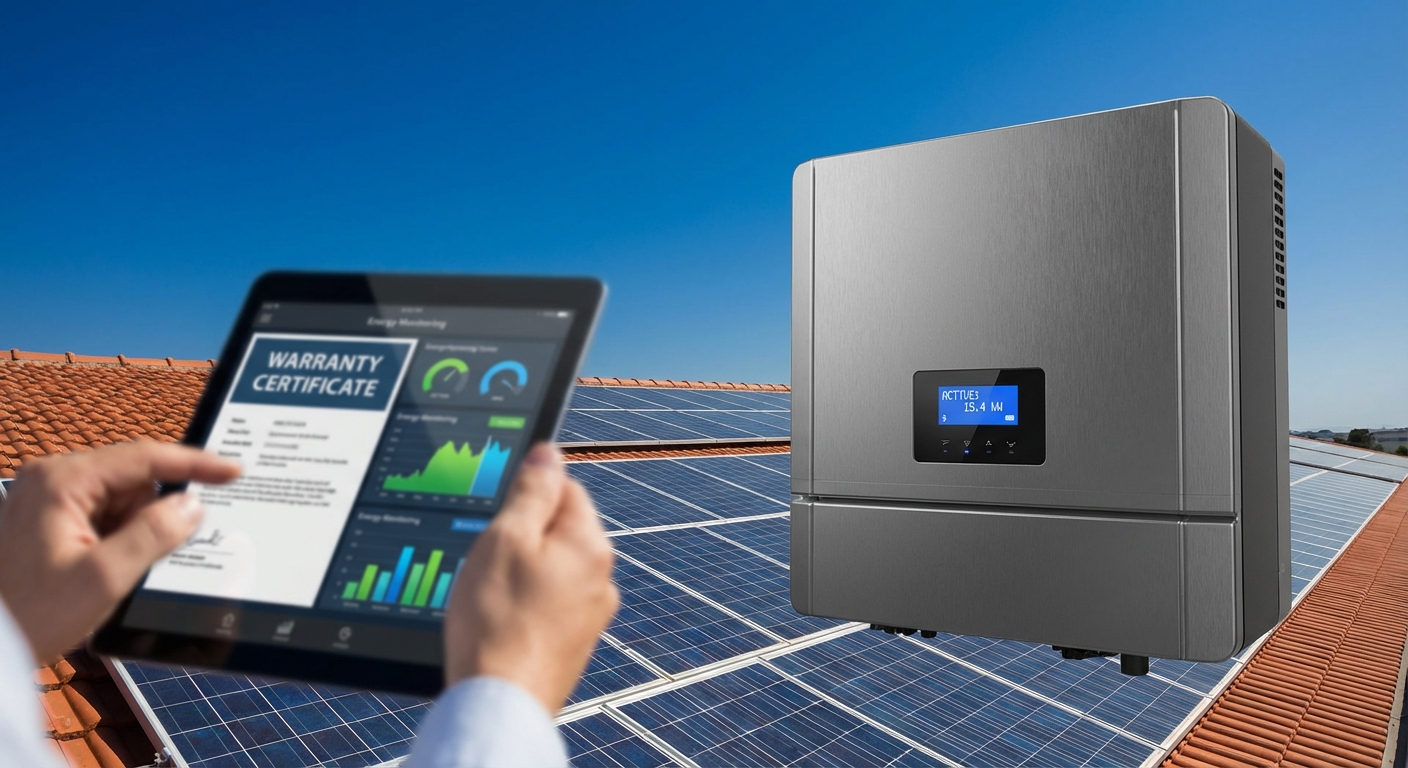
When investing in solar power infrastructure, the inverter represents one of the most critical—and expensive—components of your system. For solar installation companies, distributors, and commercial facility owners across India, understanding inverter warranty terms isn’t just about paperwork; it’s about protecting your investment, ensuring long-term ROI, and minimizing operational risks. With solar inverters expected to operate reliably for 15-25 years, the warranty backing your equipment can mean the difference between profitable energy generation and costly downtime.
In India’s rapidly growing solar market, warranty offerings vary dramatically between manufacturers. While some provide basic 5-year repair warranties, others offer comprehensive 12-year full replacement coverage with digital claim systems. This guide answers the 12 most critical questions about solar inverter warranties, helping you make informed decisions that protect your solar investments and maximize long-term returns.
Understanding Solar Inverter Warranty: Why It Matters for Your Investment
The inverter warranty serves as your financial safety net against manufacturing defects, component failures, and unexpected performance issues. For commercial and industrial installations where solar systems generate significant revenue through energy savings or power sales, even a few days of inverter downtime can translate to substantial financial losses.
Consider the total cost of ownership: a solar inverter for a 100kW commercial installation might cost ₹2-4 lakhs initially, but the energy production value over its lifetime exceeds ₹50 lakhs. A comprehensive warranty protects this revenue stream by ensuring rapid replacement or repair when issues arise. This is particularly crucial in India’s challenging environmental conditions, where extreme temperatures, dust, humidity, and voltage fluctuations can stress inverter components.
The warranty landscape in India has evolved significantly in 2026. Leading manufacturers now offer extended warranty periods of 12 years or more, recognizing that quality components and rigorous testing can support longer coverage periods. This shift benefits solar installers and facility owners by reducing lifecycle costs and improving project economics. When evaluating inverter options, the warranty should be weighted alongside efficiency, features, and initial cost—it’s a key indicator of manufacturer confidence in their product quality.
For solar EPCs and installation companies, offering clients inverters with robust warranties also provides competitive differentiation and reduces callback risks. Distributors benefit from fewer warranty-related service demands and stronger customer relationships. Understanding warranty terms thoroughly enables all stakeholders to set appropriate expectations and plan for long-term system maintenance.
1. What Does a Solar Inverter Warranty Actually Cover?
A standard solar inverter warranty primarily covers manufacturing defects and component failures that occur under normal operating conditions. This includes failures of electronic components such as circuit boards, power modules (IGBTs), capacitors, transformers, cooling systems, and display interfaces. If your inverter stops functioning due to a defective component that failed within the warranty period, the manufacturer is obligated to repair or replace the unit.
Most comprehensive warranties also cover:
- Control systems and firmware: Issues with the inverter’s operating software or control algorithms
- Communication modules: Failures in Wi-Fi, 4G, Bluetooth, or other connectivity features used for monitoring
- Display and user interface: Malfunctioning screens, buttons, or indicator lights
- Internal protection devices: Built-in surge protection, DC switches, and safety mechanisms
- Enclosure and weatherproofing: Failures in the housing that compromise IP ratings and allow moisture ingress
However, warranties typically exclude several categories of damage:
- Physical damage: Impact damage, vandalism, or accidents during transportation or installation
- Improper installation: Failures resulting from incorrect wiring, inadequate ventilation, or non-compliance with installation guidelines
- Environmental damage beyond specifications: Exposure to conditions exceeding the inverter’s rated operating parameters
- Unauthorized modifications: Opening the unit, tampering with components, or using non-approved accessories
- External factors: Damage from external surge events (unless specifically covered), fire, flooding, or force majeure events
- Normal wear and tear: Gradual degradation of components within acceptable performance parameters
Advanced inverters with smart monitoring capabilities may include coverage for their AI-powered diagnostic systems and remote monitoring features. For example, Qbits inverters with WhatsApp monitoring integration ensure that the communication infrastructure supporting warranty claims is also protected under the warranty terms.
Understanding these coverage boundaries is essential for solar installers. Proper installation documentation, adherence to manufacturer guidelines, and use of appropriate external protection devices (like AC and DC SPDs) ensure that warranty coverage remains valid throughout the warranty period.
2. How Long Should a Solar Inverter Warranty Last?
The duration of an inverter warranty varies significantly across manufacturers and product lines, typically ranging from 5 to 12 years in the Indian market as of 2026. Understanding what warranty duration is appropriate requires considering both the inverter’s expected lifespan and the quality of its components.
Industry-standard warranty periods include:
- 5-year warranties: Common among entry-level and mass-market inverter brands, offering basic protection during the early operational period
- 7-10 year warranties: Mid-range offerings that cover a substantial portion of the inverter’s productive life
- 12+ year warranties: Premium warranty coverage offered by manufacturers confident in their component quality and manufacturing processes
The warranty duration should align with your inverter ROI calculations. Commercial solar installations typically achieve payback within 3-5 years, meaning the warranty should extend well beyond this period to protect your returns during the profit-generating years. A 12-year warranty, such as that offered by Qbits Energy, covers the majority of the inverter’s expected 15-20 year operational life, providing substantial risk mitigation.
Warranty length often correlates directly with component quality. Manufacturers using German-grade electronic components, conducting extensive quality testing (1000+ automated tests per unit), and implementing rigorous quality control can confidently offer extended warranties. Conversely, shorter warranty periods may indicate less confidence in component longevity or manufacturing consistency.
For hybrid inverters with battery integration capabilities, warranty terms may differ between the inverter itself and the battery storage components. Always clarify whether the stated warranty period applies to all system components or just the inverter unit.
When comparing inverter brands in India, don’t simply choose the longest warranty—evaluate the manufacturer’s service network, claim processing efficiency, and financial stability. A 12-year warranty from a well-established manufacturer with robust support infrastructure is more valuable than a 15-year warranty from a company with limited service capabilities or uncertain long-term viability.
3. What’s the Difference Between Replacement and Repair Warranties?
One of the most critical distinctions in solar inverter warranty terms is whether the coverage provides full replacement or repair service. This difference significantly impacts system downtime, energy production losses, and overall project economics.
Full Replacement Warranty:
A full replacement warranty means that if your inverter fails due to a covered defect, the manufacturer provides a complete new or refurbished unit rather than attempting to repair the faulty one. Key advantages include:
- Minimal downtime: Replacement units can often be shipped and installed within days, restoring energy production quickly
- Reduced service costs: No need for technician visits to diagnose and repair complex electronic issues
- Fresh warranty period: Some manufacturers restart the warranty clock with replacement units
- Predictable service experience: Standardized replacement process with clear timelines
- Lower risk of recurring failures: New units eliminate the possibility of related component failures in repaired equipment
Repair Warranty:
Repair warranties obligate the manufacturer to fix the defective inverter, typically by replacing failed components. Considerations include:
- Extended downtime: Diagnosis, parts procurement, and repair can take weeks, especially for complex failures
- Multiple service visits: May require initial diagnosis, parts ordering, and subsequent repair appointments
- Potential for incomplete fixes: Component-level repairs may not address underlying issues, leading to repeat failures
- Energy production losses: Longer service times mean more lost energy generation and revenue
- Higher total cost: Multiple technician visits and extended downtime can exceed the cost of simple replacement
For commercial and industrial solar installations, the financial impact of downtime is substantial. A 100kW system generating ₹40,000-50,000 worth of energy monthly loses ₹1,500-2,000 per day during inverter outages. A repair warranty that results in 2-3 weeks of downtime could cost ₹20,000-40,000 in lost production, while a replacement warranty might restore operation within 3-5 days, limiting losses to ₹5,000-10,000.
Qbits Energy’s 12-year full replacement warranty exemplifies the premium approach, prioritizing minimal downtime and predictable service. For solar installers and EPCs, offering clients inverters with replacement warranties reduces callback frequency and enhances customer satisfaction. When evaluating warranty terms, always clarify whether coverage is replacement or repair-based, and factor the potential downtime costs into your total cost of ownership calculations.
4. How Do I File a Solar Inverter Warranty Claim?
Understanding the warranty claim process is essential for minimizing downtime and ensuring smooth resolution when inverter issues arise. Modern manufacturers have streamlined this process through digital systems, but the fundamental steps remain consistent across the industry.
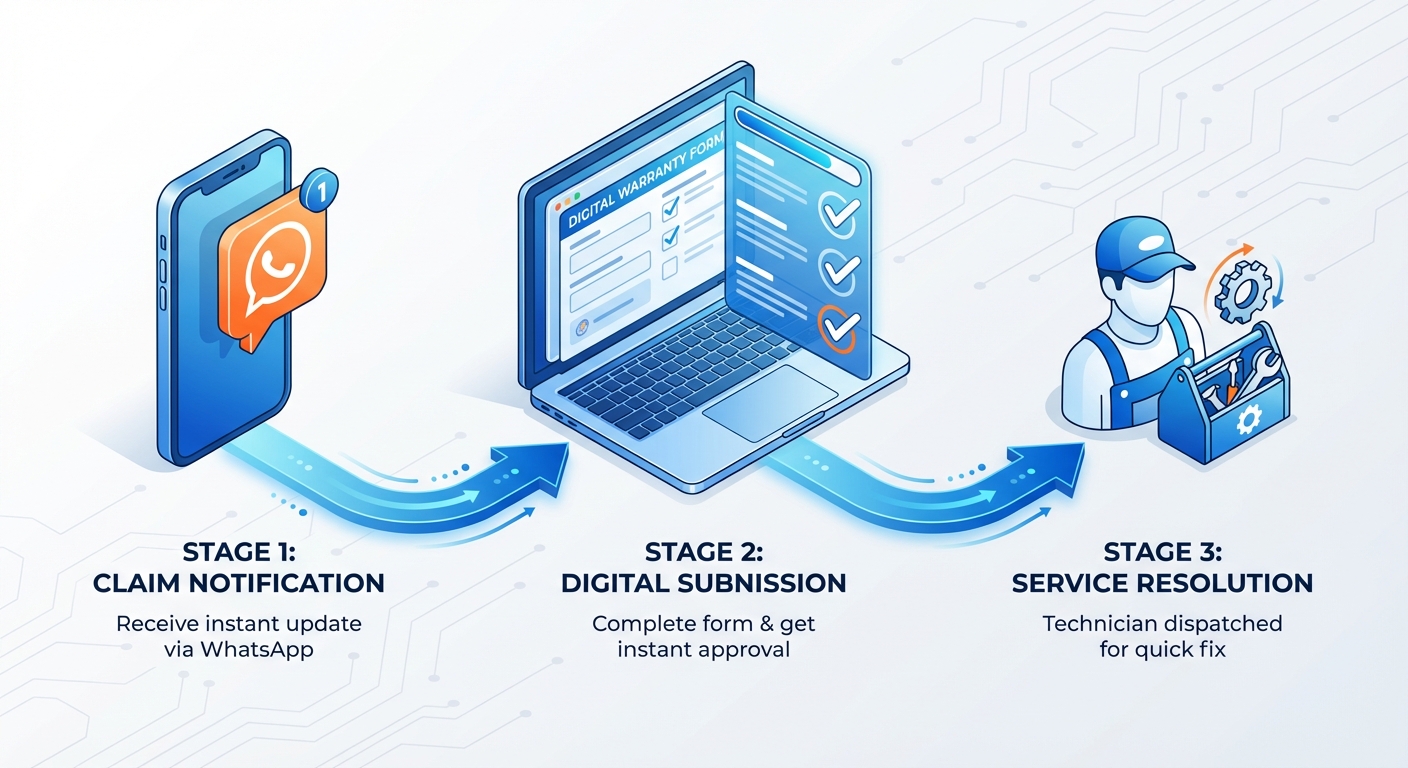
Step-by-Step Warranty Claim Process:
Step 1: Identify and Document the Issue
When your inverter exhibits problems, document the symptoms thoroughly. Record error codes displayed, take photographs of the display or LED indicators, and note when the issue first occurred. If your inverter has smart monitoring capabilities, capture screenshots of performance data showing the anomaly. This documentation strengthens your claim and accelerates diagnosis.
Step 2: Gather Required Documentation
Prepare essential documents before initiating your claim:
- Original purchase invoice or proof of purchase
- Warranty certificate or registration confirmation
- Inverter serial number and model information
- Installation date and commissioning records
- Installation company details and certification
- Photographs or videos of the issue
- Monitoring system data logs (if available)
Step 3: Contact the Manufacturer or Authorized Service Provider
Initiate your claim through the manufacturer’s designated channel. Progressive manufacturers offer multiple contact options including digital warranty portals, WhatsApp support, email, and phone hotlines. For Qbits Energy customers, the Download Warranty portal provides streamlined digital claim submission, while the AI-powered WhatsApp monitoring system can automatically alert support teams to performance issues.
Step 4: Technical Assessment
The manufacturer’s technical team will review your claim and may request additional information or remote diagnostics. Advanced inverters with connectivity features enable remote troubleshooting, potentially resolving issues without site visits. If remote diagnosis confirms a warranty-covered defect, the replacement or repair process begins immediately.
Step 5: Resolution and Service
For replacement warranties, the manufacturer ships a replacement unit to your location, and an authorized technician installs it. For repair warranties, a technician visits the site to diagnose and fix the issue. Maintain records of all service activities, including technician visit dates, work performed, and parts replaced.
Typical Claim Processing Timelines:
- Claim acknowledgment: 24-48 hours for digital systems, up to 5 days for traditional processes
- Technical assessment: 2-5 days depending on issue complexity
- Replacement unit dispatch: 3-7 days after approval
- Installation and commissioning: 1-2 days after unit arrival
- Total resolution time: 7-14 days for replacement warranties, 14-30+ days for repair warranties
Common Reasons for Claim Rejection:
- Lack of proper installation documentation or non-certified installation
- Evidence of physical damage, tampering, or unauthorized modifications
- Operation outside specified environmental parameters
- Expired warranty period or gaps in ownership documentation
- Failure to follow manufacturer’s maintenance guidelines
- Use of incompatible or non-approved accessories
To avoid claim rejection, ensure proper installation by certified professionals, maintain comprehensive documentation, and follow all manufacturer guidelines. Digital warranty systems significantly reduce claim processing time and improve transparency. When selecting an inverter manufacturer, evaluate their claim process efficiency and support infrastructure—these factors directly impact your system’s operational continuity.
5. Does Installation Quality Affect Warranty Coverage?
Installation quality is one of the most critical factors determining whether your inverter warranty remains valid. Even the most comprehensive warranty can be voided if the inverter is not installed according to manufacturer specifications and industry best practices.
Manufacturers require professional installation for several important reasons. Improper installation can cause immediate or latent failures that have nothing to do with manufacturing defects. Issues like inadequate ventilation leading to overheating, incorrect cable sizing causing voltage drops, or improper grounding creating surge vulnerability all result from installation errors rather than product defects.
Installation Requirements for Warranty Validity:
- Certified installer: Many manufacturers require installation by certified or authorized technicians. Keep records of installer credentials and certifications.
- Compliance with installation manual: Every aspect of the installation must follow the manufacturer’s detailed guidelines regarding mounting, spacing, ventilation, and environmental protection.
- Proper electrical connections: Correct cable sizing, torque specifications for terminals, polarity verification, and secure connections are essential.
- Adequate ventilation and clearance: Inverters require specific clearances for cooling. Insufficient spacing causes overheating and premature component failure.
- Environmental protection: Even inverters with IP66 weather protection ratings require proper mounting orientation and protection from direct water spray or extreme conditions.
- Grounding and surge protection: Proper earthing and installation of external AC and DC surge protection devices (SPDs) protect against electrical surges.
- Commissioning and testing: Complete commissioning procedures including voltage checks, insulation testing, and functional verification must be documented.
Common Installation Mistakes That Void Warranties:
- Installing inverters in enclosed spaces without adequate ventilation
- Mounting inverters in direct sunlight or areas exceeding temperature specifications
- Using undersized cables that cause voltage drops and overheating
- Incorrect DC polarity connections that damage input circuits
- Failure to install required external protection devices
- Mounting inverters where they’re exposed to water spray or flooding
- Connecting incompatible battery systems to hybrid inverters
- Exceeding maximum DC input voltage or current specifications
Documentation Requirements:
Maintain comprehensive installation documentation to support warranty claims:
- Installation date and location details
- Installer company name and technician certification numbers
- Pre-commissioning test results (insulation resistance, voltage measurements)
- Photographs of the installation showing proper mounting and clearances
- System configuration details (panel array specifications, cable sizes)
- Commissioning checklist signed by the installer
- Initial monitoring system setup and baseline performance data
For solar installation companies and EPCs, following manufacturer guidelines protects both your client’s warranty and your professional reputation. Poor installation practices lead to premature failures, warranty disputes, and costly callbacks. Investing in proper training and adhering to installation standards ensures long-term system reliability and maintains warranty coverage.
When selecting solar inverters in India, consider manufacturers that provide comprehensive installation support, detailed documentation, and training programs for installers. Qbits Energy’s focus on proper installation practices, combined with their digital warranty system, ensures that installations meeting specifications receive full warranty protection and rapid claim processing when needed.
6. Are Environmental Factors Covered Under Inverter Warranty?
Environmental conditions in India pose significant challenges for solar inverter reliability. From extreme summer temperatures exceeding 45°C to monsoon humidity, dust storms, and coastal salt corrosion, inverters must withstand harsh conditions. Understanding how environmental factors interact with warranty coverage is crucial for protecting your investment.
Most inverter warranties cover failures that occur within the manufacturer’s specified environmental operating parameters. If an inverter fails due to a manufacturing defect while operating within these specifications, the warranty applies. However, damage caused by environmental conditions exceeding the inverter’s ratings typically falls outside warranty coverage.
Environmental Specifications and Warranty Coverage:
Temperature: Inverters specify operating temperature ranges, typically -25°C to +60°C for quality units. If your inverter fails at 40°C ambient temperature (within specifications) due to a defective cooling fan or thermal management system, this is warranty-covered. However, if the inverter is installed in an enclosed space reaching 70°C and fails due to overheating, the warranty may be voided.
Humidity and Moisture: The IP (Ingress Protection) rating determines moisture resistance. An inverter with IP66 rating (like Qbits inverters) is protected against powerful water jets and dust ingress. If moisture enters an IP66-rated unit due to a manufacturing defect in the enclosure seal, warranty coverage applies. However, if the unit is installed where it’s directly exposed to flooding or water accumulation beyond IP66 specifications, coverage may be excluded.
Dust and Particulate Matter: India’s dusty conditions, particularly in northern regions, can affect inverter cooling systems. Quality inverters with IP66 ratings are designed to prevent dust ingress. Warranty coverage applies if dust enters due to defective seals or enclosure design, but not if external filters (where required) are not maintained according to manufacturer guidelines.
Corrosion: Coastal installations face salt-laden air that can corrode electronic components. Inverters designed for harsh environments use conformal coating and corrosion-resistant materials. Warranty coverage typically applies to corrosion resulting from manufacturing defects in protective coatings, but may exclude damage from installation in environments exceeding the inverter’s corrosion resistance specifications.
Lightning and Electrical Surges: This is a complex area in warranty coverage. Direct lightning strikes are typically excluded from standard warranties as force majeure events. However, failures of internal surge protection devices (SPDs) under normal grid voltage fluctuations are usually covered. Many manufacturers require installation of external AC and DC SPDs as a warranty condition, recognizing that India’s power grid experiences frequent voltage fluctuations.
Protecting Your Warranty Through Proper Environmental Management:
- Choose appropriate IP ratings: For rooftop installations exposed to weather, IP66 or higher ratings are essential
- Ensure adequate ventilation: Even weather-protected inverters need airflow for cooling
- Install external protection devices: AC and DC SPDs protect against surge damage and maintain warranty validity
- Follow mounting guidelines: Proper orientation prevents water accumulation and ensures drainage
- Consider local environmental factors: Coastal, desert, or industrial environments may require additional protective measures
- Maintain monitoring systems: Real-time monitoring helps identify environmental stress before it causes failure
The importance of environmental protection in warranty coverage cannot be overstated. An inverter with IP66 weather protection and robust thermal management, backed by a comprehensive warranty, provides significantly better risk mitigation than a lower-rated unit with similar warranty duration. When evaluating inverter efficiency and reliability, consider how environmental protection features interact with warranty terms to provide complete investment protection.
7. What Happens If My Inverter Model Is Discontinued?
Product lifecycle management is an often-overlooked aspect of inverter warranty evaluation. Solar inverters have operational lifespans of 15-25 years, but manufacturers typically refresh product lines every 3-5 years. Understanding what happens when your inverter model is discontinued is crucial for long-term planning.
Reputable manufacturers maintain warranty obligations for discontinued models throughout the stated warranty period. This means if you have a 12-year warranty and the model is discontinued after 5 years, the manufacturer must still honor the remaining 7 years of coverage. However, the specifics of how they fulfill this obligation vary.
Manufacturer Obligations for Discontinued Models:
Spare Parts Availability: Manufacturers typically maintain spare parts inventory for discontinued models for a period extending beyond the warranty duration. Industry best practice suggests maintaining parts availability for at least 2-3 years beyond the longest warranty period. This ensures that repair-based warranties can be fulfilled even for units near the end of their warranty coverage.
Equivalent Replacement Models: For full replacement warranties, manufacturers usually replace discontinued models with equivalent or superior current models. This often benefits customers, as replacement units incorporate newer technology, improved efficiency, and updated features. Warranty terms should specify whether the replacement unit receives a new warranty period or continues the remaining warranty from the original unit.
Firmware and Software Support: Discontinued inverters with smart monitoring capabilities require ongoing firmware updates and software support. Manufacturers should maintain compatibility with monitoring platforms and provide security updates even after product discontinuation. This is particularly important for inverters with AI-powered monitoring and connectivity features.
Technical Support and Documentation: Access to technical documentation, troubleshooting guides, and support resources should remain available for discontinued models throughout their warranty period and beyond.
Evaluating Manufacturer Stability:
The risk of product discontinuation affecting warranty fulfillment is directly related to manufacturer stability and longevity. Consider these factors:
- Company history and backing: Manufacturers with established parent companies or strong financial backing are more likely to honor long-term warranty commitments. Qbits Energy’s backing by the Heaven Group legacy provides this stability.
- Market presence: Companies with significant market share and established service networks have the infrastructure to support discontinued products.
- Product portfolio breadth: Manufacturers with diverse product lines can more easily provide equivalent replacements from their current offerings.
- Service network: Extensive authorized service centers and technician networks ensure continued support regardless of product lifecycle changes.
Questions to Ask Before Purchase:
- What is the manufacturer’s policy for supporting discontinued models?
- How long are spare parts maintained after product discontinuation?
- Will replacement units receive new warranty periods or continue existing coverage?
- What happens to monitoring system support for discontinued models?
- Does the manufacturer have a track record of honoring warranties for discontinued products?
For commercial solar installations with 25-year operational plans, selecting inverters from manufacturers with strong stability and clear discontinuation policies is essential. The warranty is only as valuable as the company’s ability and commitment to honor it throughout its duration, regardless of product lifecycle changes.
8. Does Warranty Cover Performance Degradation?
Understanding the distinction between warranty coverage and performance guarantees is essential for setting realistic expectations about inverter warranty protection. While warranties cover defects and failures, performance degradation over time is a separate consideration.
Warranty vs. Performance Guarantee:
A standard product warranty covers manufacturing defects and component failures that prevent the inverter from functioning as designed. A performance guarantee, which may be included separately or as part of comprehensive warranty terms, specifies minimum efficiency or output levels the inverter will maintain over time.
Most quality solar inverters maintain 98%+ efficiency when new, but all electronic equipment experiences some performance degradation over its operational life. This gradual decline results from normal component aging, not manufacturing defects. Typical inverter efficiency degradation is approximately 0.1-0.3% per year, meaning a 98% efficient inverter might operate at 96-97% efficiency after 10 years—still excellent performance.
When Performance Issues Qualify for Warranty Claims:
Performance-related warranty claims are valid when:
- Sudden efficiency drops: Abrupt decreases in efficiency (e.g., from 98% to 90%) indicate component failure rather than normal degradation
- Performance below specifications: If a new inverter operates significantly below its rated efficiency, this indicates a manufacturing defect
- Failure to meet performance guarantees: If the manufacturer provides specific performance guarantees (e.g., “minimum 95% efficiency after 10 years”), falling below these thresholds triggers warranty coverage
- Component-specific failures: Issues like failing cooling systems, defective power modules, or malfunctioning MPPT (Maximum Power Point Tracking) algorithms that reduce performance
Documenting Performance Issues:
Smart monitoring systems play a crucial role in identifying and documenting performance degradation. Advanced inverters with AI-powered monitoring can:
- Track efficiency trends over time and identify abnormal degradation patterns
- Compare actual performance against expected output based on solar irradiation and temperature
- Generate performance reports that support warranty claims
- Provide real-time alerts when efficiency drops below acceptable thresholds
- Maintain historical data logs that establish baseline performance and document changes
Qbits Energy’s WhatsApp monitoring system, for example, provides continuous performance tracking and alerts users to efficiency anomalies that may indicate warranty-covered issues. This proactive monitoring enables early detection of problems before they significantly impact energy production.
Industry Standards for Acceptable Performance:
While specific standards vary by manufacturer, general industry expectations include:
- Initial efficiency: Quality inverters should achieve 97-98.5% peak efficiency
- 5-year performance: Minimum 97% of initial efficiency (approximately 96-97% absolute efficiency)
- 10-year performance: Minimum 95% of initial efficiency (approximately 93-95% absolute efficiency)
- MPPT accuracy: Consistent maximum power point tracking within 99% of optimal
When evaluating inverter comparison in India, look for manufacturers that provide clear performance specifications and guarantees beyond basic warranty coverage. Comprehensive protection includes both defect coverage and performance assurances, ensuring your solar investment delivers expected returns throughout its operational life.
9. How Do Warranty Terms Differ Between On-Grid and Hybrid Inverters?
The complexity difference between on-grid and hybrid inverters affects warranty terms, coverage scope, and potential failure points. Understanding these distinctions helps solar installers and facility owners make informed decisions when selecting inverter types for specific applications.
On-Grid Inverter Warranties:
On-grid inverters have a relatively straightforward function: converting DC power from solar panels to AC power synchronized with the utility grid. Their warranty coverage typically includes:
- DC input circuits and MPPT controllers
- Power conversion electronics (IGBTs, capacitors, transformers)
- Grid synchronization and anti-islanding protection systems
- Cooling systems (fans, heat sinks)
- Communication and monitoring interfaces
- Display and user interface components
On-grid inverter warranties are generally straightforward because the technology is mature and failure modes are well-understood. Quality manufacturers can confidently offer extended warranties (10-12 years) for on-grid models due to their proven reliability.
Hybrid Inverter Warranties:
Hybrid inverters add battery management, backup power functionality, and more complex control algorithms. Their warranty coverage must address additional components and systems:
- All on-grid inverter components listed above
- Battery charging and discharging circuits
- Battery management system (BMS) integration
- Backup power switching mechanisms
- Multiple operating mode controls (grid-tied, backup, off-grid)
- Advanced energy management algorithms
- Additional communication protocols for battery systems
The increased complexity of hybrid inverters introduces additional potential failure points. However, this doesn’t necessarily mean shorter warranty periods—quality hybrid inverters from reputable manufacturers still offer 10-12 year warranties comparable to on-grid models.
Battery Integration and Warranty Coordination:
A critical consideration for hybrid systems is the relationship between inverter and battery warranties. These are typically separate:
- Inverter warranty: Covers the inverter unit itself, including battery charging/discharging circuits
- Battery warranty: Separate coverage from the battery manufacturer, typically 5-10 years with performance guarantees
- System integration: Clarify whether inverter warranty covers issues arising from battery integration or if these fall under battery warranty
When installing hybrid systems, ensure compatibility between inverter and battery brands to avoid warranty disputes. Some inverter manufacturers specify approved battery brands or models; using non-approved batteries may void inverter warranty coverage.
Cost-Benefit Analysis of Warranty Terms:
When comparing on-grid vs hybrid inverters, consider warranty implications in your ROI calculations:
On-Grid Advantages:
- Simpler warranty terms with fewer exclusions
- Lower initial cost with comparable warranty coverage
- Proven reliability with extensive field data
- Straightforward claim process with fewer variables
Hybrid Advantages:
- Single warranty covering multiple functions (grid-tied and backup)
- Future-proofing for battery addition without replacing inverter
- Comprehensive system integration support from single manufacturer
- Advanced monitoring covering both solar and battery performance
For commercial installations prioritizing maximum uptime, hybrid inverters with backup capability provide additional value despite slightly higher complexity. The warranty should reflect the manufacturer’s confidence in managing this complexity. Qbits Energy’s 12-year warranty on both on-grid and hybrid models demonstrates their commitment to quality across their product range.
When evaluating hybrid inverter India options, prioritize manufacturers with proven track records in battery integration, clear warranty terms covering all system components, and robust support for troubleshooting complex hybrid system issues.
10. What Role Does Monitoring Play in Warranty Claims?
Smart monitoring systems have transformed how solar inverter performance is tracked, issues are identified, and warranty claims are processed. The integration of AI-powered diagnostics and real-time data logging provides unprecedented visibility into inverter health and performance, directly impacting warranty claim success and processing speed.
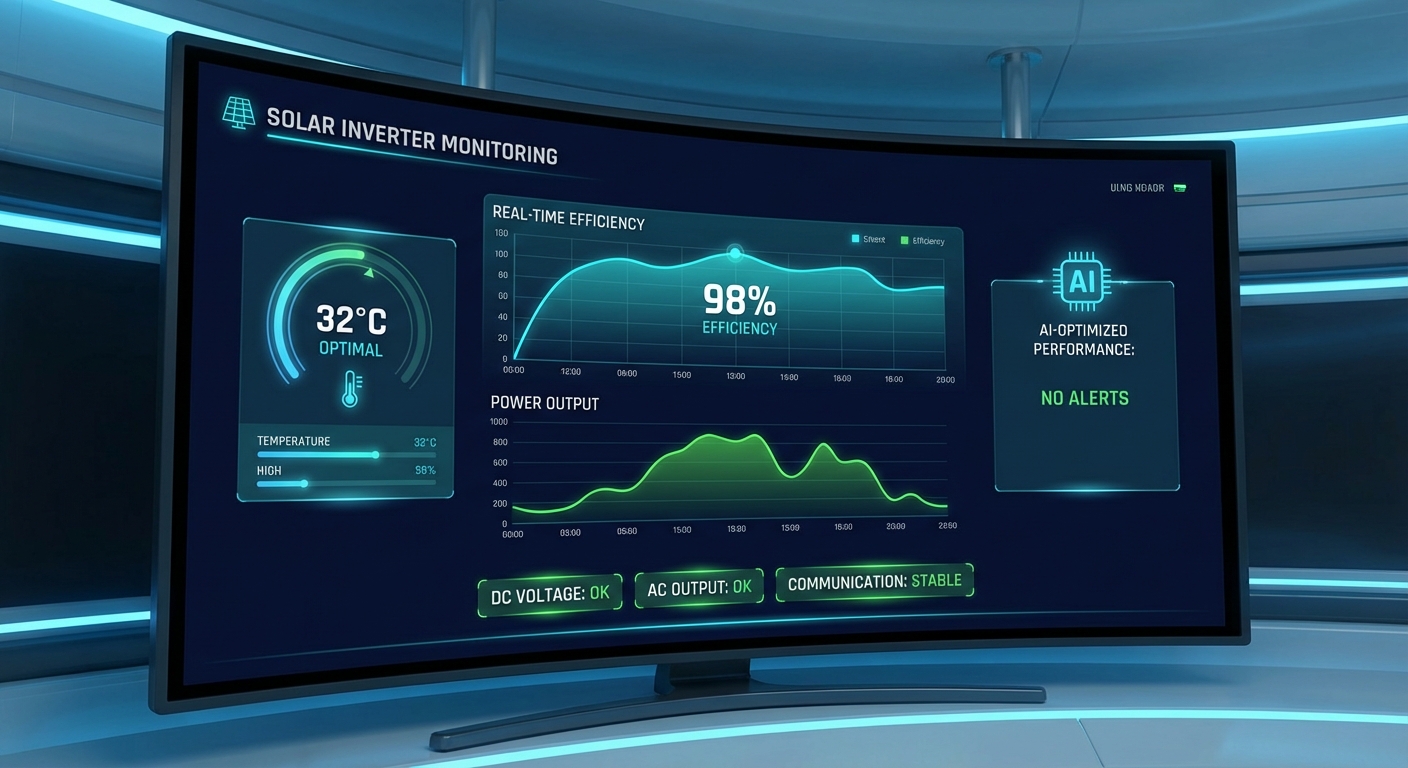
How Monitoring Systems Support Warranty Claims:
Performance Documentation: Continuous monitoring creates comprehensive performance records that establish baseline operation and document deviations. When filing a warranty claim, historical data showing normal operation followed by sudden performance degradation provides compelling evidence of a defect rather than gradual wear or external factors.
Early Problem Detection: Advanced monitoring systems identify anomalies before they cause complete failure. Real-time alerts for efficiency drops, temperature anomalies, or communication errors enable proactive warranty claims while issues are still intermittent, preventing more serious failures and extended downtime.
Automated Diagnostics: AI-powered monitoring can automatically diagnose specific failure modes by analyzing error codes, performance patterns, and operational data. This accelerates the technical assessment phase of warranty claims, as manufacturers receive detailed diagnostic information rather than vague problem descriptions.
Remote Troubleshooting: Connectivity features enable manufacturers to remotely access inverter data, verify issues, and sometimes resolve problems through firmware updates or configuration changes without site visits. This dramatically reduces claim resolution time and may prevent unnecessary unit replacements.
Data Logging Requirements:
For warranty claims, monitoring systems should capture and retain:
- Performance metrics: Power output, efficiency, voltage, current, frequency measurements
- Environmental data: Operating temperature, ambient conditions (if sensors available)
- Error logs: All error codes, warnings, and fault conditions with timestamps
- Operating hours: Total runtime and operational mode history
- Grid conditions: Voltage fluctuations, frequency variations, power quality issues
- Communication status: Connectivity health and data transmission reliability
Quality monitoring systems retain this data for extended periods (1-3 years minimum), ensuring historical information is available when needed for warranty claims.
AI-Powered Diagnostics in Identifying Covered Defects:
Modern inverters with AI-powered monitoring can distinguish between different failure types:
- Component failures: Sudden efficiency drops or specific error patterns indicating defective components (warranty-covered)
- Installation issues: Consistent overheating or voltage problems suggesting installation defects (may void warranty)
- External factors: Grid-related issues or environmental conditions outside specifications (typically not covered)
- Normal degradation: Gradual performance decline within acceptable parameters (not warranty-covered)
This diagnostic capability helps both customers and manufacturers quickly determine whether issues qualify for warranty coverage, reducing disputes and accelerating claim resolution.
Benefits of Integrated Monitoring for Faster Claim Processing:
Inverters with built-in monitoring capabilities, such as Qbits Energy’s WhatsApp monitoring system, streamline the warranty claim process:
- Automatic issue reporting: System can alert both user and manufacturer simultaneously when problems occur
- Pre-populated claim forms: Diagnostic data automatically populates warranty claim submissions
- Reduced documentation burden: Monitoring data replaces manual performance logging and issue description
- Faster technical assessment: Manufacturers can immediately access detailed system data for evaluation
- Proactive support: Manufacturers can identify potential issues before customers notice problems
For solar installation companies and facility owners, inverters with comprehensive monitoring capabilities provide significant advantages beyond warranty claims. Real-time performance visibility enables proactive maintenance, optimizes energy production, and provides data for ROI analysis. When evaluating inverter monitoring features, consider how these capabilities integrate with warranty processes to provide complete system protection.
The convergence of smart monitoring and warranty coverage represents the future of solar inverter support. Manufacturers offering integrated monitoring with digital warranty systems, like Qbits Energy’s approach, provide superior customer experience and faster issue resolution compared to traditional warranty processes.
11. Can I Transfer Warranty When Selling My Solar System?
Warranty transferability is an important consideration for commercial property owners and solar installation companies, as it directly impacts solar system resale value and property marketability. Understanding transfer policies helps maximize investment returns and facilitates smoother property transactions.
Warranty Transferability Policies:
Inverter warranty transferability varies significantly between manufacturers. Common policies include:
Fully Transferable Warranties: Some manufacturers allow complete warranty transfer to subsequent owners without restrictions. The remaining warranty period transfers with the equipment, and the new owner receives the same coverage as the original purchaser. This policy maximizes resale value and is particularly valuable for commercial installations.
Transferable with Notification: Many manufacturers permit warranty transfer but require notification and documentation. The original owner must inform the manufacturer of the ownership change, provide new owner details, and update warranty registration. This ensures the manufacturer maintains accurate records and can provide proper support.
Limited Transferability: Some warranties transfer only once or have restrictions on transfer conditions. For example, transfer might be permitted only for property sales, not for equipment resale separate from the property.
Non-Transferable Warranties: A few manufacturers tie warranties exclusively to the original purchaser. These warranties provide no value to subsequent owners, significantly reducing equipment resale value.
Documentation Required for Warranty Transfer:
When transferring an inverter warranty, prepare the following documentation:
- Original warranty certificate and registration documents
- Proof of ownership transfer (property sale deed, equipment bill of sale)
- Original purchase invoice and installation records
- Maintenance and service history documentation
- New owner contact information and installation location details
- Warranty transfer request form (if required by manufacturer)
- Updated system ownership registration with manufacturer
Impact on Property Value and System Resale:
Transferable warranties significantly enhance solar system value:
- Reduced buyer risk: Warranty protection makes solar-equipped properties more attractive to buyers
- Higher resale prices: Systems with remaining warranty coverage command premium prices
- Faster sales: Warranty transferability removes a potential objection in property negotiations
- Long-term value retention: Extended warranties (10-12 years) provide value throughout typical property ownership periods
For commercial properties, a solar system with 8 years remaining on a 12-year warranty represents substantial value. Buyers can confidently invest in the property knowing the solar infrastructure has manufacturer-backed protection for nearly a decade.
Manufacturer Notification Requirements:
Even when warranties are transferable, proper notification is essential:
- Timing: Notify the manufacturer within 30-90 days of ownership transfer (specific timeframes vary)
- Method: Use the manufacturer’s designated transfer process (online portal, email, or written notification)
- Confirmation: Obtain written confirmation of transfer completion and updated warranty documentation
- Registration update: Ensure monitoring systems and support accounts are updated with new owner information
Failure to properly notify the manufacturer may complicate future warranty claims, even if the warranty is technically transferable.
How Transferable Warranties Benefit Commercial Installations:
For commercial and industrial facilities, warranty transferability provides several strategic advantages:
- Asset value preservation: Solar installations remain valuable assets throughout their operational life
- Financing advantages: Transferable warranties make solar systems more attractive to lenders and investors
- Tenant appeal: For leased commercial properties, warranty-backed solar systems are attractive amenities
- Portfolio management: Real estate portfolios with solar installations maintain higher values with transferable warranties
When evaluating inverter selection for commercial projects, prioritize manufacturers offering fully transferable warranties with straightforward transfer processes. This feature protects long-term investment value and provides flexibility for future property transactions. Qbits Energy’s digital warranty system facilitates efficient warranty transfers, ensuring continued protection regardless of ownership changes.
12. How Do I Compare Warranty Offerings from Different Manufacturers?
With numerous inverter manufacturers in India offering varying warranty terms, systematic comparison is essential for making informed purchasing decisions. A comprehensive evaluation goes beyond simply comparing warranty duration to assess the total value and reliability of warranty coverage.
Key Warranty Factors to Evaluate:
1. Warranty Duration:
Compare the standard warranty period (5, 7, 10, or 12+ years) and availability of extended warranty options. Longer warranties generally indicate manufacturer confidence in product quality, but only if backed by strong service infrastructure.
2. Coverage Type (Replacement vs. Repair):
Determine whether the warranty provides full unit replacement or component-level repair. Calculate potential downtime costs for your specific installation to understand the financial impact of this distinction. For a 100kW commercial system, replacement warranties can save ₹20,000-40,000 in lost production compared to repair warranties.
3. Claim Process Efficiency:
Evaluate the warranty claim process:
- Digital vs. paper-based claim submission
- Average claim processing time
- Availability of remote diagnostics
- Customer reviews of claim experience
- Transparency in claim status tracking
4. Coverage Scope:
Review what’s included and excluded:
- Components covered (all parts or limited coverage)
- Labor and service costs (included or additional charges)
- Shipping costs for replacement units
- Performance guarantees beyond defect coverage
- Monitoring system and connectivity features coverage
5. Manufacturer Reputation and Financial Stability:
A warranty is only valuable if the manufacturer can honor it throughout its duration. Assess:
- Company history: Established manufacturers with 10+ years in business demonstrate stability
- Parent company backing: Support from larger corporate groups (like Qbits Energy’s Heaven Group backing) provides financial security
- Market presence: Significant market share indicates business sustainability
- Customer reviews: Feedback on actual warranty claim experiences from existing customers
- Financial health: Publicly available financial information or industry reputation
6. Service Network and Support Infrastructure:
Warranty value depends on service accessibility:
- Number and location of authorized service centers across India
- Availability of trained technicians in your region
- Response time commitments for service requests
- Spare parts inventory and availability
- Technical support accessibility (phone, email, chat, WhatsApp)
- Support hours (business hours only vs. 24/7 availability)
7. Digital Warranty Systems:
Modern digital warranty management offers significant advantages:
- Online warranty registration and certificate access
- Digital claim submission and tracking
- Integration with monitoring systems for automatic issue reporting
- Mobile app or WhatsApp-based support
- Transparent claim status updates
Qbits Energy’s digital warranty system exemplifies this approach, providing streamlined registration, claim submission, and status tracking through their Download Warranty portal.
8. Transferability:
As discussed in the previous section, warranty transferability significantly impacts long-term value, particularly for commercial installations.
Total Cost of Ownership Calculations:
Integrate warranty value into comprehensive TCO analysis:
Example Comparison:
Option A: ₹2,50,000 inverter with 5-year repair warranty
- Expected downtime for warranty repairs: 20 days over 5 years
- Lost production value: ₹30,000
- Replacement cost after warranty: ₹2,50,000
- Total 12-year cost: ₹5,30,000
Option B: ₹2,80,000 inverter with 12-year full replacement warranty
- Expected downtime for warranty replacements: 5 days over 12 years
- Lost production value: ₹7,500
- No replacement cost during warranty period
- Total 12-year cost: ₹2,87,500
Despite the higher initial cost, Option B provides ₹2,42,500 in savings over 12 years through reduced downtime and eliminated replacement costs.
Red Flags in Warranty Terms:
Be cautious of warranties with these characteristics:
- Extremely short warranty periods (2-3 years) suggesting low confidence in product quality
- Excessive exclusions or conditions that make claims difficult
- Vague language about coverage scope or claim processes
- No clear service network or support infrastructure
- Requirement for expensive annual maintenance contracts to maintain warranty
- Non-transferable warranties that eliminate resale value
- Manufacturers with limited market presence or uncertain financial stability
Making the Final Decision:
When comparing inverter cost and warranty offerings, consider:
- Calculate total cost of ownership including warranty value, not just initial purchase price
- Prioritize manufacturers with proven track records and strong financial backing
- Evaluate service network accessibility for your specific location
- Consider the operational impact of downtime for your specific application
- Review actual customer experiences with warranty claims, not just written terms
- Assess how warranty terms align with your expected system lifespan and ROI period
For solar installers and EPCs, offering clients inverters with comprehensive warranties differentiates your services and reduces long-term support obligations. For facility owners, investing in premium warranties protects solar ROI and ensures predictable energy costs throughout the system’s operational life.
Maximizing Your Solar Inverter Warranty Benefits: Best Practices
Understanding warranty terms is only the first step—maximizing warranty benefits requires proactive management throughout the inverter’s operational life. These best practices ensure you receive full value from your inverter warranty coverage and minimize the risk of claim rejection.

1. Proper Installation and Commissioning Documentation:
Comprehensive installation documentation is your first line of defense in warranty claims:
- Engage certified installers and retain their certification documentation
- Photograph the installation from multiple angles showing proper mounting, clearances, and cable management
- Complete all manufacturer-provided commissioning checklists
- Document pre-commissioning test results (insulation resistance, voltage measurements, polarity verification)
- Record initial performance baseline data from monitoring systems
- Store all documentation in both physical and digital formats for redundancy
2. Register Your Warranty Immediately:
Don’t delay warranty registration:
- Complete online registration within 30 days of installation
- Verify that registration confirmation is received and accurate
- Download and save warranty certificates and documentation
- Set up monitoring system accounts and verify connectivity
- Add warranty expiration dates to your maintenance calendar
Qbits Energy’s digital warranty system makes registration straightforward through their support portal, ensuring your coverage is active from day one.
3. Implement Regular Monitoring and Maintenance:
Proactive monitoring protects warranty coverage and identifies issues early:
- Enable all monitoring features and configure alert notifications
- Review performance data weekly to identify trends or anomalies
- Conduct visual inspections monthly (check for physical damage, loose connections, debris accumulation)
- Clean inverter surfaces and ensure adequate ventilation quarterly
- Verify monitoring system connectivity and data logging functionality
- Document all maintenance activities with dates and findings
Advanced monitoring systems like Qbits Energy’s AI-powered WhatsApp monitoring automate much of this process, providing real-time alerts and performance tracking without manual intervention.
4. Keep Warranty Documentation Accessible:
Organize warranty-related documents for quick access when needed:
- Create a dedicated folder (physical and digital) for all warranty documents
- Include: warranty certificate, purchase invoice, installation records, commissioning reports, maintenance logs
- Store copies in multiple locations (on-site, office, cloud storage)
- Ensure relevant personnel know where documentation is stored
- Update documentation when ownership transfers or system modifications occur
5. Understand Your Specific Warranty Terms:
Read and understand your warranty document thoroughly:
- Note the exact warranty period and expiration date
- Understand what’s covered and what’s excluded
- Identify any maintenance requirements for warranty validity
- Know the claim process and required documentation
- Save manufacturer contact information for warranty claims
- Clarify any unclear terms with the manufacturer before issues arise
6. Work with Manufacturers Offering Comprehensive Support:
Choose inverter manufacturers that provide robust support infrastructure:
- Extensive service network across India for quick response
- Multiple support channels (phone, email, WhatsApp, online portal)
- Digital warranty systems for streamlined claim processing
- Proactive monitoring and diagnostic support
- Clear communication and transparent claim status updates
Manufacturers like Qbits Energy that combine 12-year full replacement warranties with AI-powered monitoring and digital support systems provide the most comprehensive protection for your solar investment.
7. Leverage Digital Warranty Systems:
Take full advantage of modern warranty management tools:
- Register for online warranty portals and mobile apps
- Enable automatic issue reporting from monitoring systems
- Use digital claim submission for faster processing
- Track claim status through online dashboards
- Access warranty documents digitally from anywhere
8. Act Quickly When Issues Arise:
Prompt action maximizes warranty benefits:
- Report issues immediately when detected—don’t wait for complete failure
- Document problems thoroughly with photos, error codes, and performance data
- Follow manufacturer troubleshooting guidance before filing claims
- Provide complete information in claim submissions to avoid delays
- Maintain communication with support teams throughout the claim process
9. Plan for Post-Warranty Period:
Prepare for inverter lifecycle beyond warranty coverage:
- Budget for potential replacement or extended warranty purchase
- Evaluate inverter performance as warranty expiration approaches
- Consider proactive replacement if efficiency has degraded significantly
- Research current inverter technology to understand upgrade opportunities
- Factor inverter lifespan expectations into long-term solar system planning
Conclusion: Protecting Your Solar Investment Through Comprehensive Warranty Coverage
Solar inverter warranties represent far more than simple product guarantees—they’re essential risk management tools that protect your energy investment, ensure predictable operational costs, and maximize long-term ROI. As we’ve explored through these 12 critical questions, effective warranty coverage requires understanding not just the duration, but the comprehensiveness of coverage, claim processes, manufacturer stability, and support infrastructure.
For solar installation companies, distributors, and commercial facility owners in India, selecting inverters with robust warranty protection is a strategic decision that impacts project economics for decades. The difference between a basic 5-year repair warranty and a comprehensive 12-year full replacement warranty can represent hundreds of thousands of rupees in total cost of ownership for commercial installations.
Key takeaways for maximizing warranty benefits:
- Prioritize manufacturers offering extended warranty periods (10-12+ years) with full replacement coverage
- Evaluate total cost of ownership including downtime costs, not just initial purchase price
- Choose inverters with advanced monitoring capabilities that support warranty claims
- Ensure proper installation by certified professionals with comprehensive documentation
- Leverage digital warranty systems for streamlined registration and claim processing
- Select manufacturers with proven stability, extensive service networks, and strong support infrastructure
Qbits Energy’s approach exemplifies comprehensive warranty protection: 12-year full replacement coverage, AI-powered WhatsApp monitoring for proactive issue detection, digital warranty management through their Support portal, and backing by the established Heaven Group legacy. This combination of extended coverage, intelligent monitoring, and robust support infrastructure provides the complete protection that solar investments deserve.
Whether you’re a solar installer seeking reliable products for your clients, a distributor building your product portfolio, or a facility owner investing in solar infrastructure, understanding and leveraging comprehensive warranty coverage is essential for long-term success. The inverter warranty isn’t just a safety net—it’s a critical component of your solar system’s value proposition and a key factor in achieving optimal energy ROI.
Ready to protect your solar investment with industry-leading warranty coverage? Know More About Our Products to explore Qbits Energy’s range of on-grid and hybrid inverters backed by 12-year full replacement warranties, or Inquiry Now to discuss how our comprehensive warranty protection can enhance your solar projects. For installation companies and distributors interested in offering premium warranty-backed products to your clients, Become a Partner with Qbits Energy today.
Stay connected with Qbits Energy for the latest updates on solar inverter technology, warranty information, and industry insights through our social channels on LinkedIn, Facebook, Instagram, and YouTube.