



Top Inverter Vendors India: EPC Selection Guide 2026

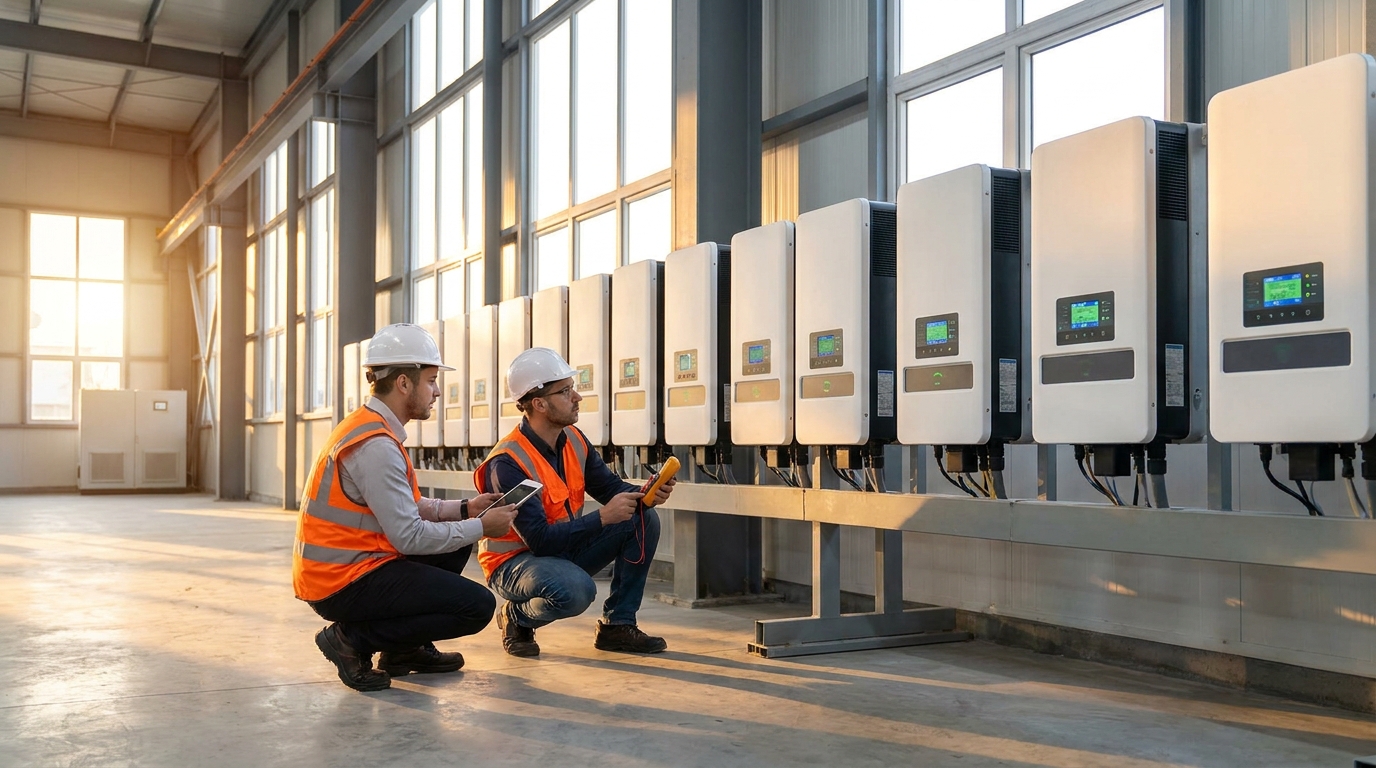
Selecting the right inverter vendors in India is one of the most consequential decisions an EPC company or solar installer can make. The inverter is the brain of every solar installation. It converts DC power from panels into usable AC electricity, manages grid interaction, and increasingly serves as the primary monitoring hub for the entire system. Choose the wrong vendor, and you inherit their problems: delayed deliveries, poor warranty support, incompatible products, and unhappy clients. Choose the right one, and you build a competitive advantage that compounds over every project you complete.
In 2026, India’s solar market is scaling faster than ever. With the government’s ambitious renewable energy targets and rising commercial and industrial (C&I) adoption, EPCs are under pressure to deliver projects that perform reliably for 25 years or more. That means the inverter vendors you partner with today will shape your reputation for years to come. This guide gives you a structured, practical framework to evaluate, compare, and select inverter vendors in India with confidence.
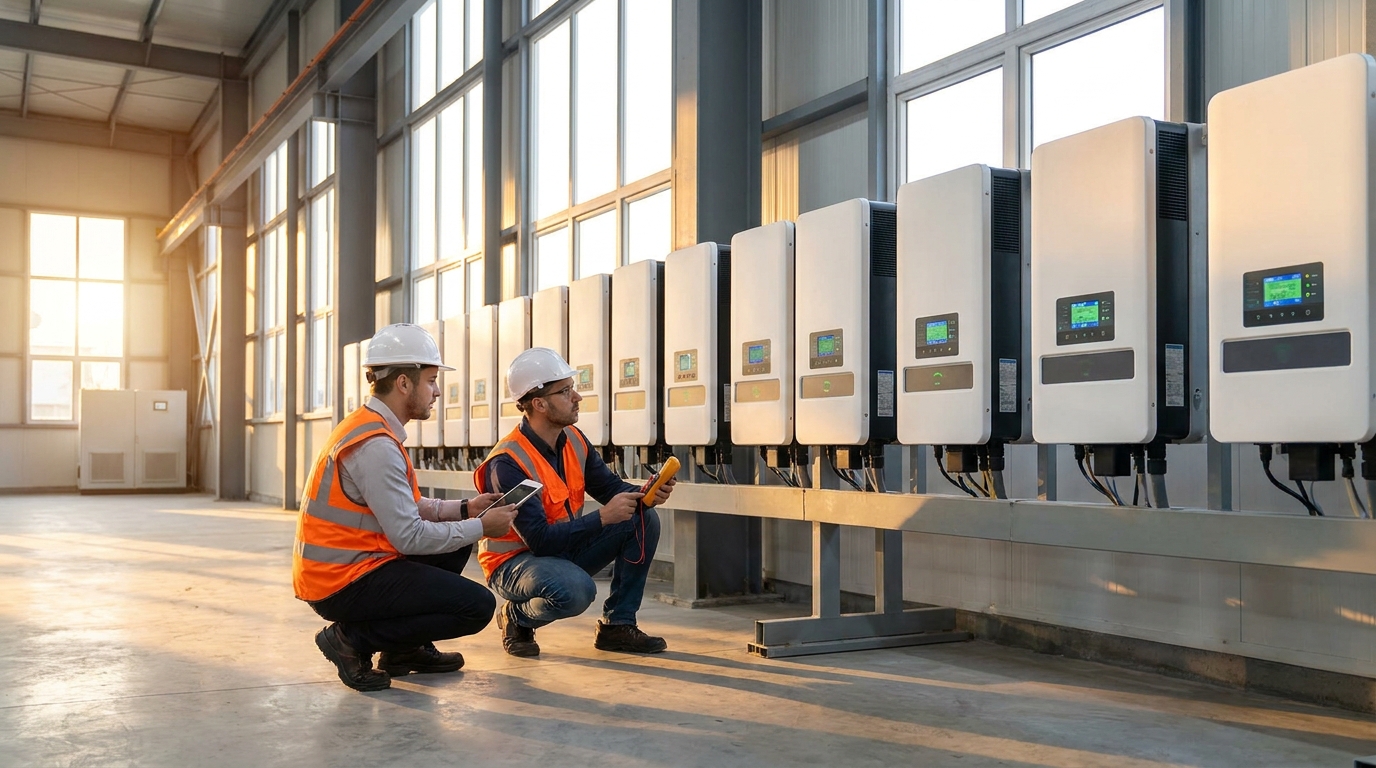
Why Choosing the Right Inverter Vendors in India Matters for EPCs
The Indian solar installation market has matured significantly. Clients are no longer satisfied with basic installations. They expect real-time monitoring, long warranty coverage, and responsive after-sales support. When an inverter fails six months after commissioning, the client doesn’t blame the panel manufacturer or the mounting structure supplier. They blame the EPC. That’s the reality of the business.
Poor vendor selection creates a cascade of problems. Warranty claims that take months to resolve. Technical support teams that are unreachable or unhelpful. Products that aren’t certified for Indian grid standards. Inverters that overheat in Rajasthan summers or corrode in coastal Tamil Nadu humidity. Each of these issues erodes your margins, damages your reputation, and costs you future business.
On the other hand, EPCs that build strong relationships with reliable inverter vendors in India gain real advantages. Faster project timelines, better pricing through volume commitments, priority technical support, and the ability to offer clients superior warranty terms. The best inverter manufacturers become genuine business partners, not just component suppliers.
This guide covers everything you need to make that decision well: the criteria that matter most, a due diligence checklist, the right questions to ask vendors, and how to build partnerships that last. Whether you’re evaluating inverter manufacturers in India for the first time or reviewing your existing vendor relationships, this framework will help you choose with clarity.
Understanding the Indian Solar Inverter Market Landscape
India’s solar inverter market is one of the fastest-growing in the world. According to the Ministry of New and Renewable Energy (MNRE), India has set a target of 500 GW of renewable energy capacity by 2030, with solar forming the backbone of that ambition. This scale of deployment means demand for quality inverters is at an all-time high, and the vendor landscape has become increasingly competitive.
The market broadly divides into three product categories. On-grid inverters remain the dominant segment, used in rooftop and ground-mounted systems that feed power back to the grid. Hybrid inverters are growing rapidly as battery storage becomes more affordable and businesses seek energy independence. Off-grid inverters serve remote and rural applications where grid connectivity is limited or unreliable.
Within these categories, EPCs must navigate a mix of domestic and imported brands. Imported brands from China and Europe have historically dominated the premium and mid-market segments. However, domestic inverter manufacturers in India are closing the gap rapidly, offering India-specific features, local service networks, and competitive pricing backed by government support for domestic manufacturing.
Regulatory compliance is non-negotiable. Any inverter sold in India must carry BIS (Bureau of Indian Standards) certification and comply with IEC standards. Products without these certifications create legal liability for EPCs and may not qualify for government-subsidized projects. Always verify certification status before shortlisting any vendor.
Regional demand patterns also matter. States like Gujarat, Rajasthan, Maharashtra, and Karnataka lead in solar installations, but each presents different environmental challenges. Vendors with strong regional service networks and products tested for local conditions offer a meaningful advantage. For a deeper look at how to evaluate manufacturers specifically, see our guide on Solar Inverter Manufacturers in India: Complete Evaluation Guide for EPCs & Distributors (2026).
8 Critical Criteria to Evaluate Inverter Vendors in India
Not all inverter vendors in India are created equal. The following eight criteria give you a structured way to compare vendors objectively and identify which ones are genuinely equipped to support your business at scale.

1. Manufacturing Capabilities and Quality Control
A vendor’s manufacturing process is the foundation of product reliability. Ask about their production facility, the origin of their electronic components, and the number of quality tests each unit undergoes before shipping. Top-tier inverter vendors in India run hundreds or even thousands of automated quality checks per unit. Vendors using German-grade or equivalent electronic components typically deliver better long-term reliability than those sourcing the cheapest available parts.
2. Product Range: On-Grid, Hybrid, and C&I Options
Your vendor should be able to serve your full project portfolio. If you install both residential rooftop systems and large commercial projects, you need a vendor with a complete product range covering residential on-grid inverters, commercial and industrial (C&I) inverters, and hybrid inverters with battery integration. Relying on multiple vendors for different product types increases complexity and reduces your negotiating leverage.
3. Warranty Terms and Full Replacement Guarantees
Warranty is where vendor promises meet reality. The industry standard for inverter warranty in India has historically been 5 years, but leading manufacturers now offer 10 to 12 years. More important than the duration is the type of warranty. A full replacement warranty, where the manufacturer replaces a faulty unit at no cost, is far more valuable than a repair-only warranty that leaves you managing logistics and downtime. Always read the fine print on exclusions, claim procedures, and replacement timelines. You can explore warranty considerations in more detail in our Solar Inverter Lifespan: Complete Financial Planning Guide.
4. Technical Support and After-Sales Service Infrastructure
When an inverter faults on a client’s rooftop, how quickly can your vendor respond? Evaluate the vendor’s technical support team size, their response time commitments, and whether they offer dedicated support channels for EPC partners. Vendors with India-based support teams and local service centers resolve issues faster than those routing all queries through international call centers or email-only systems.
5. Inverter Efficiency Ratings and Indian Conditions Performance
Inverter efficiency directly impacts your client’s energy yield and ROI. Look for inverters with efficiency ratings of 97% or higher, ideally 98%, and verify these ratings under real-world Indian conditions rather than just laboratory benchmarks. Also assess low start-up voltage capability, which matters in early morning and late evening generation windows, and performance under high ambient temperatures common across most of India.
6. Smart Monitoring and Remote Diagnostics
Modern solar installations require intelligent monitoring. Evaluate whether the vendor’s inverters include built-in Wi-Fi, 4G, or Bluetooth connectivity, and what their monitoring platform offers. Features like real-time alerts, fault diagnostics, and remote configuration save EPCs significant time and cost on service visits. For the Indian market specifically, monitoring solutions that integrate with WhatsApp provide a major accessibility advantage for end clients. Our detailed guide on Solar Inverter Monitoring Systems in India (2026) covers this topic comprehensively.
7. Delivery Timelines and Supply Chain Reliability
Project delays are expensive. Assess each vendor’s typical lead times, their inventory management practices, and their track record during supply chain disruptions. Vendors with domestic manufacturing facilities generally offer more predictable delivery timelines than those relying entirely on imports. Ask about their buffer stock policies and how they handle urgent orders for time-sensitive projects.
8. Regional Presence and Service Network Across India
A vendor with service centers only in major metros may leave your clients in Tier 2 and Tier 3 cities without adequate support. Map the vendor’s service network against your primary project geographies. Strong inverter vendors in India maintain regional offices, authorized service partners, and spare parts availability across multiple states, ensuring that support reaches clients wherever they are.
Vendor Due Diligence: A Practical Checklist for EPCs
Once you’ve identified potential inverter vendors in India, structured due diligence separates genuine partners from those who look good on paper. Use this checklist before committing to any vendor relationship.
- Factory audit: Request a facility visit or virtual tour to verify manufacturing capabilities, component sourcing, and quality control processes firsthand.
- Certification verification: Confirm BIS certification, IEC compliance, and IP rating (IP65 minimum; IP66 preferred for harsh rooftop environments) through official documentation, not just marketing materials.
- Warranty documentation review: Read the full warranty terms, not just the headline duration. Understand exclusions, claim procedures, replacement timelines, and what happens if the company changes ownership.
- Financial stability assessment: A vendor that exits the market in three years leaves your clients without warranty support. Research the company’s ownership structure, financial backing, and market longevity. Brands backed by established industrial groups offer greater stability.
- EPC reference checks: Ask for references from other EPCs or installers who have used the vendor’s products for at least two to three years. Ask specifically about warranty claim experiences and technical support quality.
- Digital tools evaluation: Test the vendor’s monitoring platform, warranty registration portal, and support ticketing system. Clunky or unreliable digital tools signal operational weaknesses that will create friction in your business.
- Sample unit testing: Request sample units for independent testing before placing large orders. Verify efficiency, thermal performance, and build quality under your typical installation conditions.
- Surge protection and safety features: Confirm that inverters include DC and AC surge protection devices (SPDs) and appropriate safety certifications for the Indian grid environment.
Key Questions to Ask Potential Inverter Vendors in India
A structured vendor conversation reveals far more than a product brochure. When meeting with inverter vendors in India, ask these specific questions to assess their suitability as long-term partners.
About Product Quality and Testing
- How many automated quality tests does each inverter unit undergo before shipping?
- What is the origin and grade of your electronic components?
- What is your field failure rate, and how is it tracked?
- How do your products perform in high-temperature environments above 45°C?
About Warranty and After-Sales Support
- Is your warranty a full replacement warranty or repair-only?
- What is the average time from warranty claim submission to unit replacement?
- Do you have a digital warranty registration and claim system?
- What happens to warranty obligations if your company is acquired or restructured?
About Technical Support
- What is your committed response time for technical support queries from EPC partners?
- Do you offer dedicated support channels for channel partners versus end users?
- How many service centers do you operate, and where are they located?
- Do you provide on-site support for complex fault resolution?
About Monitoring and Data
- Where is monitoring data stored, and is it on Indian servers?
- What connectivity options do your inverters support (Wi-Fi, 4G, Bluetooth)?
- Can end users receive real-time alerts through accessible channels like WhatsApp?
- What remote diagnostic and configuration capabilities does your platform offer?
About Pricing and Partnership Terms
- What volume thresholds unlock better pricing tiers?
- Do you offer channel partner or distributor programs with dedicated support?
- What are your standard payment terms and credit facilities for established EPCs?
- How do you handle pricing stability during supply chain disruptions?
For a broader framework on how these questions fit into your overall inverter selection process, our guide on Solar Inverter Selection: 10 Critical Criteria for EPCs provides additional depth.
Comparing Inverter Vendors India: What Sets Premium Manufacturers Apart
The gap between average and premium inverter vendors in India is wider than many EPCs realize. Understanding what differentiates top-tier manufacturers helps you make a more informed comparison and avoid being swayed by marketing claims alone.
Component Quality: The Foundation of Reliability
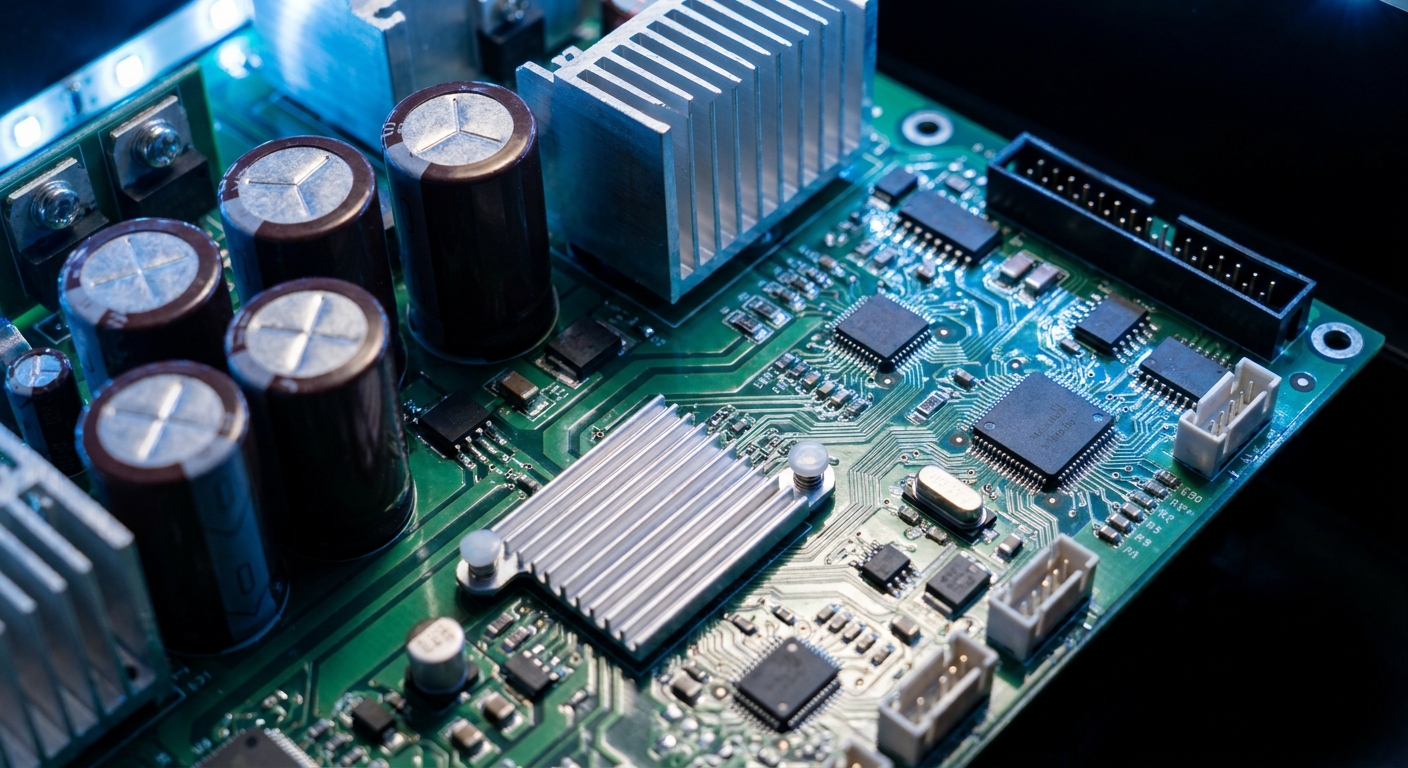
The quality of internal components determines how an inverter performs over its 10 to 15-year lifespan. Premium manufacturers source capacitors, IGBTs, and other critical components from established European or Japanese suppliers. This matters enormously in the Indian context, where inverters face extreme temperature cycling, voltage fluctuations, and dust ingress. Vendors using German-grade electronic components, for example, deliver measurably better long-term reliability than those optimizing purely for unit cost.
AI-Powered Monitoring vs. Basic Data Logging
Basic monitoring tells you what happened. AI-powered monitoring tells you what’s about to happen. Leading inverter vendors in India are now integrating intelligent monitoring systems that detect performance anomalies before they become failures, generate automated alerts, and provide actionable diagnostics. For EPCs managing large portfolios of installations, this capability dramatically reduces reactive service calls and improves client satisfaction. Platforms that deliver alerts via WhatsApp are particularly well-suited to the Indian market, where WhatsApp penetration is near-universal among both business owners and facility managers.
Warranty Depth: 12 Years vs. Standard 5-Year Terms
A 12-year full replacement warranty is not just a marketing differentiator. It’s a fundamental statement about a manufacturer’s confidence in their product and their financial commitment to standing behind it. When you offer clients a 12-year warranty backed by a credible manufacturer, you’re offering them something most of your competitors cannot match. This becomes a genuine sales advantage, particularly in the C&I segment where procurement teams scrutinize long-term cost of ownership carefully.
India-Specific Engineering: IP66, Voltage Handling, and Panel Compatibility
Inverters designed for European or North American conditions don’t always perform optimally in India. The best domestic inverter manufacturers in India engineer their products specifically for Indian conditions: IP66 weather protection for monsoon and coastal environments, robust voltage fluctuation handling for unstable grid connections, and compatibility with modern high-wattage panels up to 750W and beyond. DC oversizing capability of up to 100% allows EPCs to maximize energy yield without additional hardware costs.
Qbits Energy: A Next-Generation Approach to Inverter Manufacturing
Among the emerging inverter vendors in India, Qbits Energy represents a new generation of domestic manufacturers combining precision engineering with intelligent technology. Built on the legacy of the Heaven Group and engineered with German-grade electronic components, Qbits produces on-grid and hybrid solar inverters that are purpose-built for Indian conditions. Key differentiators include a 12-year full replacement warranty, AI-powered WhatsApp monitoring, IP66 weather protection, 98% efficiency, and 1,000+ automated quality tests per unit. BIS and IEC certified, Qbits inverters support panels up to 750W and offer up to 100% DC oversizing, making them well-suited for both residential and C&I installations across India.
For EPCs evaluating inverter vendors in India, Qbits also offers a structured channel partner program with dedicated support, digital warranty management, and a comprehensive helpdesk. Explore the full Qbits product range to see how their inverter lineup aligns with your project requirements.
Building Long-Term Partnerships with Inverter Manufacturers in India
The most successful EPCs don’t just buy inverters. They build strategic partnerships with inverter vendors in India that create mutual value over time. These relationships deliver better pricing, priority support, early access to new products, and co-marketing opportunities that help both parties grow.

Structuring the Partnership Agreement
A strong vendor partnership starts with clear, documented terms. Negotiate service level agreements (SLAs) for technical support response times, warranty claim resolution timelines, and delivery commitments. Define volume thresholds that unlock better pricing and establish a review cadence to assess performance against agreed metrics. The goal is a relationship where both parties have clear expectations and accountability.
Channel Partner and Distributor Programs
Many leading inverter manufacturers in India offer formal channel partner programs that provide EPCs and distributors with dedicated account management, marketing support, training resources, and preferential pricing. These programs are worth pursuing actively. They signal that the vendor is invested in your success, not just your purchase orders. If you’re interested in becoming a channel partner with Qbits Energy, you can apply to become a Qbits partner and explore the benefits of a structured partnership.
Training and Technical Upskilling
Vendors who invest in training your team are vendors who want you to succeed. Look for manufacturers that offer installation training, troubleshooting workshops, and product certification programs. A well-trained installation team makes fewer errors, resolves issues faster, and delivers better client outcomes. This directly reduces your warranty claim rate and improves project profitability.
Reviewing Vendor Performance Regularly
Don’t set and forget your vendor relationships. Establish a quarterly or semi-annual review process that evaluates delivery performance, warranty claim resolution times, product quality trends, and support responsiveness. Use this data to have informed conversations with your vendors about areas for improvement and to make objective decisions about whether to expand, maintain, or reduce your relationship with each supplier.
Understanding the financial implications of your inverter choices over time is also critical. Our Solar Inverter Pricing Strategies for EPCs (2026) guide provides a detailed framework for evaluating total cost of ownership and negotiating effectively with vendors.
Regional Considerations When Selecting Inverter Vendors Across India
India is not a single market. The environmental, regulatory, and logistical conditions vary dramatically across regions, and your choice of inverter vendors in India should reflect the specific demands of your operating geography.
Climate and Environmental Challenges by Region
Western India (Rajasthan, Gujarat) presents extreme heat and dust challenges. Inverters must perform reliably at ambient temperatures above 45°C and resist dust ingress in desert environments. IP66 protection and high-temperature derating performance are critical selection criteria here.
Southern India (Tamil Nadu, Kerala, Karnataka coastal areas) combines high humidity with salt-laden air in coastal zones. Corrosion resistance and robust sealing are essential. Vendors with products tested specifically for coastal conditions offer a meaningful advantage.
Northern India (Punjab, Haryana, Uttar Pradesh) sees wide temperature swings between summer and winter, combined with frequent grid voltage fluctuations in rural areas. Inverters with wide input voltage ranges and robust grid management features perform best here.
Eastern India (West Bengal, Odisha) faces high humidity and cyclone-prone conditions in coastal areas, requiring products with strong weather protection ratings and reliable surge protection.
State-Specific Regulatory and Net Metering Considerations
Solar net metering regulations vary by state, and inverter compatibility with local DISCOM requirements is essential. Some states have specific technical requirements for grid-tied inverters, including anti-islanding protection standards and communication protocols. Verify that your chosen vendor’s products are approved for use in your target states and that the vendor can provide the necessary documentation for DISCOM approvals. The MNRE rooftop solar guidelines provide a useful reference for national-level compliance requirements.
Service Network Depth in Your Target Geography
A vendor’s service network map should align with your project footprint. Before committing to a vendor, ask for a list of their authorized service centers and spare parts distributors in your primary operating states. For EPCs working in Tier 2 and Tier 3 cities, this is often the deciding factor between two otherwise comparable vendors. A 12-year warranty means little if the nearest service center is 500 kilometers away.
Frequently Asked Questions About Inverter Vendors in India
What certifications should I look for in Indian inverter vendors?
At minimum, look for BIS (Bureau of Indian Standards) certification and IEC compliance. For weather protection, verify the IP rating: IP65 is the baseline, but IP66 is preferred for rooftop installations exposed to rain and dust. For grid-tied systems, confirm compliance with CEA (Central Electricity Authority) regulations and relevant DISCOM technical standards in your operating states.
How important is warranty length when choosing inverter vendors?
Inverter warranty length is critically important, but the type of warranty matters as much as the duration. A 12-year full replacement warranty provides far greater value than a 10-year repair-only warranty. Always read the full warranty terms, understand the claim process, and assess the manufacturer’s financial stability to ensure they’ll be around to honor the warranty when needed.
What is the difference between on-grid and hybrid inverters for Indian conditions?
On-grid inverters connect directly to the utility grid and export surplus power through net metering. They are the most cost-effective option for locations with reliable grid connectivity. Hybrid inverters add battery integration capability, allowing systems to store energy for use during grid outages or peak tariff periods. In India, hybrid inverters are increasingly popular for C&I clients seeking energy independence and protection against power cuts. The right choice depends on your client’s grid reliability, energy consumption patterns, and budget.
How do I verify the quality of an inverter manufacturer in India?
Request factory audit access, verify certifications through official BIS and IEC databases, ask for field failure rate data, and speak with other EPCs who have used the manufacturer’s products for multiple years. Independent testing of sample units is the most reliable quality verification method. Also assess the quality of the manufacturer’s digital tools, documentation, and support infrastructure as indicators of overall operational quality.
What after-sales support should I expect from top inverter vendors?
Top inverter vendors in India should provide dedicated technical support channels for EPC partners, committed response time SLAs, a digital warranty registration and claim system, remote diagnostic capabilities through their monitoring platform, and a network of service centers or authorized partners in your operating regions. Training support for your installation team and regular product updates are additional markers of a vendor committed to long-term partnership.
Make the Right Choice Among Inverter Vendors in India
The decision you make about inverter vendors in India shapes every project you deliver. It affects your clients’ energy yields, your warranty liability exposure, your service costs, and ultimately your reputation in the market. The framework in this guide gives you the tools to evaluate vendors systematically, ask the right questions, and build partnerships that create lasting competitive advantage.
As you assess your options, consider what a next-generation domestic manufacturer like Qbits Energy brings to the table: German-grade components, AI-powered WhatsApp monitoring, a 12-year full replacement warranty, IP66 weather protection, and 98% efficiency, all backed by the Heaven Group’s industrial legacy and a BIS/IEC certified product range designed specifically for Indian conditions. Whether you’re equipping residential rooftops or large C&I installations, Qbits offers the technical depth and partnership infrastructure that serious EPCs need.
Ready to evaluate Qbits as your next inverter vendor? Send an inquiry via WhatsApp to speak directly with the Qbits team about your project requirements, or contact the Qbits support team to get started. If you’re a distributor or channel partner looking to add a premium Indian inverter brand to your portfolio, apply to become a Qbits partner today.
This blog post was written using thestacc.com