



Solar Inverter Noise: 10 FAQs on Sound & Silent Operation

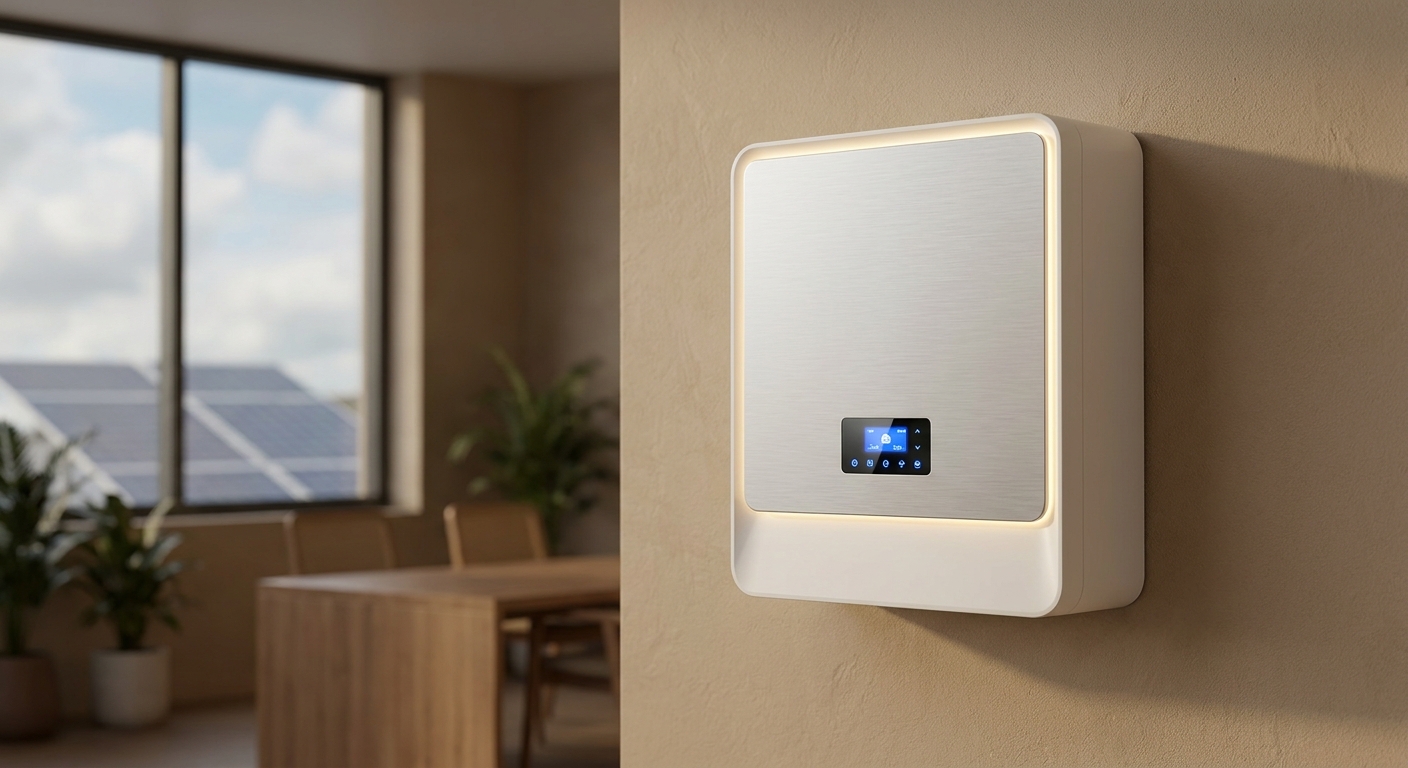
If you’ve ever stood near a solar inverter and heard a persistent hum, buzz, or whirring fan, you’re not alone. Inverter noise is one of the most frequently raised concerns among EPCs, facility managers, and homeowners across India. As rooftop solar installations multiply in residential colonies, commercial complexes, and industrial facilities, the question of how loud a solar inverter should be has become a genuine operational and customer satisfaction issue.
This comprehensive FAQ guide answers the 10 most common questions about inverter noise — from acceptable decibel levels and root causes to silent operation features, smart installation placement, and step-by-step troubleshooting. Whether you’re an EPC specifying inverters for a new project or a facility owner evaluating an existing installation, this guide gives you the technical clarity you need.
Why Inverter Noise Matters for Solar Installations in India
India’s rooftop solar market has grown at a remarkable pace. With millions of residential and commercial systems now operational, inverter noise has moved from a minor afterthought to a real design and procurement consideration. An inverter installed near a bedroom, a conference room, or a customer-facing retail space can quickly become a source of complaints if it operates loudly.
For EPCs, noise complaints translate into costly site revisits, warranty disputes, and reputational damage. For facility owners, a noisy inverter can disrupt work environments and raise questions about equipment quality. Understanding what constitutes normal inverter noise, what causes excessive sound, and how to prevent it is essential knowledge for anyone involved in solar installations in India today.
This guide covers all of that — and more. Let’s get into the FAQs.
FAQ 1: What Is a Normal Inverter Noise Level in Decibels?
Most modern solar inverters operate within a noise range of 25 to 45 decibels (dB) under normal conditions. To put that in perspective, a quiet library measures around 30 dB, and a normal conversation sits at about 60 dB. A well-designed residential inverter should be barely noticeable in a room.
Here’s a quick reference for typical inverter noise levels by category:
- Residential on-grid inverters (1–10 kW): 25, 40 dB
- Commercial string inverters (10, 100 kW): 35, 50 dB
- Large industrial inverters (100 kW+): 50, 65 dB
- Hybrid inverters with battery management: 30, 45 dB
IEC 62109 and related standards do not set a strict maximum noise limit for inverters, but most reputable manufacturers design their products to stay below 45 dB for residential applications. When evaluating inverters for Indian projects, always check the datasheet for the rated noise level at full load, not just at idle.
FAQ 2: What Causes Excessive Inverter Noise?
Not all inverter noise is the same. Understanding the source helps you determine whether the sound is normal, manageable, or a sign of a deeper problem. The most common causes include:
Cooling Fan Operation
Most inverters use internal fans to manage heat. Under high solar irradiance and heavy load, fans spin faster and produce more noise. This is the most common source of inverter noise in Indian installations, where ambient temperatures regularly exceed 40°C in summer months.
Transformer Hum
Older transformer-based inverters produce a characteristic low-frequency hum caused by the magnetic core vibrating at grid frequency (50 Hz in India). Modern transformerless designs have largely eliminated this issue, but budget inverters may still use transformer-based topologies.
Loose Components and Poor Mounting
A rattling or buzzing sound that wasn’t present at installation often points to loose screws, vibrating cable ties, or inadequate wall mounting. Vibration from the inverter’s internal components can amplify significantly if the mounting surface resonates.
Electrical Interference and Grid Fluctuations
India’s grid is known for voltage fluctuations, especially in semi-urban and rural areas. Rapid voltage changes can cause inverters to work harder, increasing fan speed and producing audible coil whine or capacitor buzz. Surge protection devices (SPDs) help mitigate this, but the underlying grid quality remains a factor.
Capacitor and Coil Whine
High-frequency switching in the inverter’s power electronics can cause capacitors and inductors to vibrate at audible frequencies. This is more common in lower-quality components and typically presents as a high-pitched whine rather than a low hum.
FAQ 3: Does Inverter Noise Indicate a Problem?
Not always, but it depends on the type of sound. A steady, low-level hum or the gentle whirring of a cooling fan is completely normal during operation. However, certain sounds should prompt immediate investigation.
Normal operational sounds include:
- Soft fan noise that increases with load and temperature
- A faint electrical hum at 50 Hz or its harmonics
- Brief clicking sounds during startup or shutdown
Warning signs that require attention:
- Grinding or scraping: May indicate a failing fan bearing
- Loud rattling: Suggests loose internal components or mounting hardware
- Intermittent buzzing with fault codes: Could signal grid instability or internal faults
- Sudden increase in noise without load change: May indicate thermal management failure
Modern inverters with AI-powered monitoring systems can detect abnormal operating conditions before they become audible problems. Real-time alerts via platforms like WhatsApp monitoring allow EPCs and facility managers to respond proactively rather than reactively. Learn more about how these systems work in our guide on Solar Inverter Monitoring Systems in India (2026).
FAQ 4: How Do Modern Inverters Achieve Silent Operation?
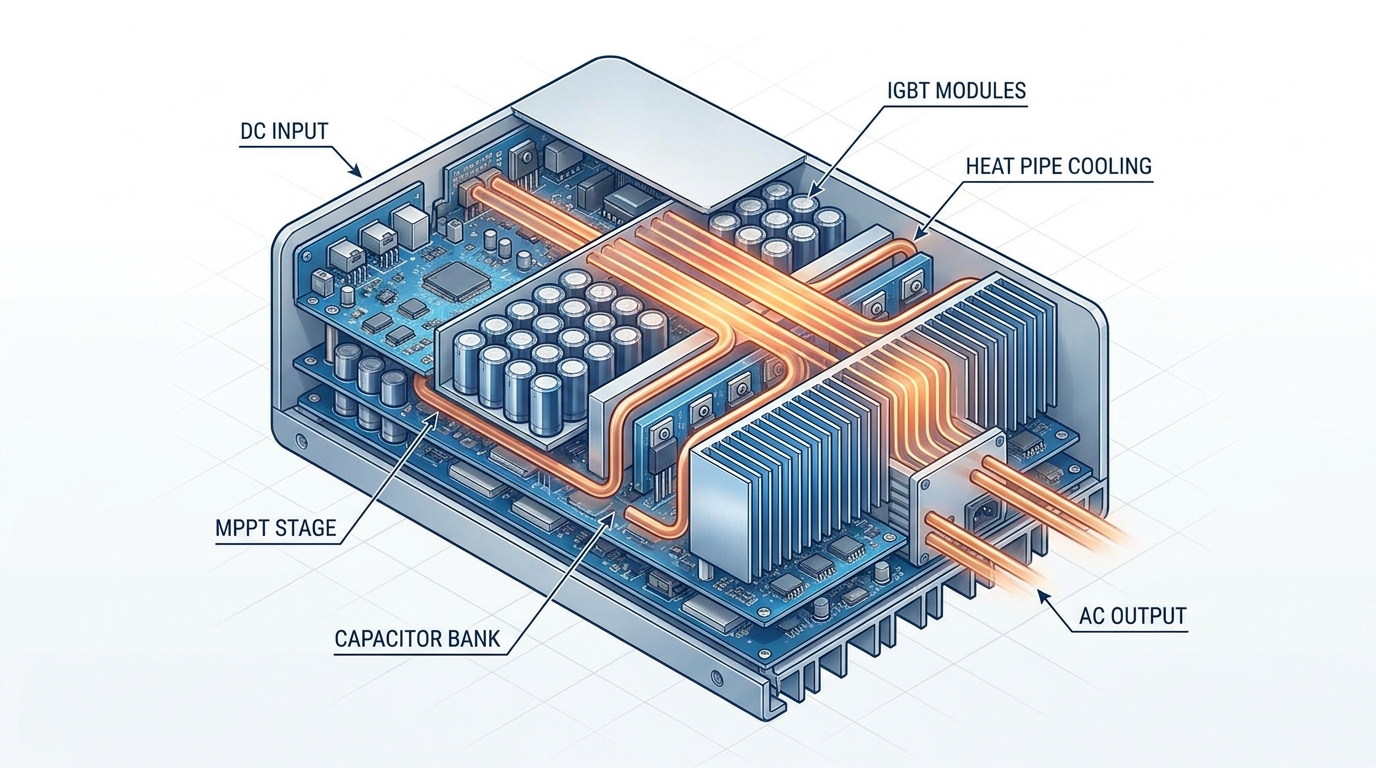
The best modern solar inverters are engineered from the ground up to minimize noise. Several design innovations have made near-silent operation achievable even in high-performance commercial units.
Variable-Speed and Fanless Designs
Rather than running a cooling fan at a fixed speed, advanced inverters use variable-speed fans that only spin as fast as necessary. Some compact residential inverters use passive cooling entirely, eliminating fan noise altogether. This is a key differentiator when comparing inverter brands in India.
High-Frequency Switching Topologies
Transformerless inverters using high-frequency switching (typically 16, 20 kHz) push the switching noise above the range of human hearing. This eliminates the characteristic 50 Hz transformer hum that plagued older designs.
Advanced Thermal Management
Efficient heat dissipation through large aluminum heat sinks, optimized airflow channels, and high-efficiency power electronics reduces the thermal load on cooling fans. An inverter that runs cooler simply doesn’t need to work as hard to stay within operating temperature, and that means less noise.
Precision-Engineered Components
Component quality plays a direct role in noise levels. Inverters built with German-grade electronic components and subjected to rigorous quality testing produce less electrical noise because their capacitors, inductors, and switching elements operate closer to their design specifications. At Qbits, every inverter unit undergoes 1,000+ automated quality tests before leaving the factory, a standard that directly contributes to quieter, more stable operation.
If you’re evaluating inverters for a new project, our detailed guide on Solar Inverter Selection: 10 Critical Criteria for EPCs covers noise ratings alongside efficiency, warranty, and other key procurement factors.
FAQ 5: Where Should You Install an Inverter to Minimize Noise Disturbance?
Even a well-designed, low-noise inverter can become a nuisance if placed in the wrong location. Smart installation placement is one of the most effective ways to manage inverter noise in practice.
Recommended Installation Locations
- Utility rooms or meter rooms: Ideal for residential installations, away from living spaces with natural sound isolation
- Garages or covered parking areas: Good ventilation, distance from occupied spaces
- Outdoor wall mounting: Eliminates indoor noise entirely, provided the inverter has adequate weather protection
- Dedicated electrical rooms in commercial buildings: Standard practice for C&I installations
Locations to Avoid
- Adjacent to bedrooms or sleeping areas
- Near conference rooms, classrooms, or quiet workspaces
- Inside enclosed cupboards without ventilation (overheating increases fan noise)
- On hollow partition walls that amplify vibration
Indian Climate Considerations
India’s climate creates a unique challenge: outdoor placement avoids indoor noise but exposes the inverter to heat, dust, humidity, and monsoon rain. This is where IP66 weather protection becomes critical. An IP66-rated inverter can be safely installed outdoors on a north-facing wall, keeping noise completely out of occupied spaces while withstanding India’s harshest weather conditions. Qbits inverters carry IP66 certification, making outdoor placement a practical and reliable option for Indian installations.
FAQ 6: Does Inverter Size or Type Affect Noise Levels?
Yes, both the size (power rating) and the type of inverter have a meaningful impact on inverter noise levels.
On-Grid vs. Hybrid Inverters
Hybrid inverters manage both solar generation and battery charging/discharging simultaneously. This additional workload can generate slightly more heat and fan activity compared to a simple on-grid inverter of the same power rating. However, well-designed hybrid inverters compensate with more sophisticated thermal management. For Indian installations where grid reliability is variable, the benefits of a hybrid system typically outweigh the marginal noise difference.
String Inverters vs. Microinverters
Microinverters are installed at each panel and operate at very low power levels, making them nearly silent. However, they are significantly more expensive and less common in large Indian commercial installations. String inverters remain the dominant choice for C&I projects in India, and modern string inverters from quality manufacturers operate well within acceptable noise thresholds.
Power Rating and Fan Scaling
Larger inverters generally have larger fans or multiple fans, which can produce more noise at full load. A 100 kW commercial inverter will naturally be louder than a 5 kW residential unit. This is why placement planning and acoustic considerations are especially important for large C&I solar projects.
FAQ 7: How Does Indian Climate Affect Inverter Noise?
India’s climate is one of the most demanding environments for solar inverters anywhere in the world. Understanding how local conditions affect inverter noise helps EPCs and facility owners set realistic expectations and make better procurement decisions.
High Ambient Temperatures
In cities like Rajkot, Nagpur, Hyderabad, and Delhi, summer temperatures regularly exceed 42, 45°C. When ambient temperatures are high, inverter cooling fans must work harder and spin faster to maintain safe operating temperatures. This directly increases inverter noise during peak summer months. Inverters with larger heat sinks and more efficient thermal designs run their fans less aggressively, resulting in quieter operation even in extreme heat.
Dust and Reduced Cooling Efficiency
Dust accumulation on heat sinks and fan blades is a common problem in Indian installations, particularly in industrial areas and arid regions. Clogged cooling paths force fans to compensate, increasing both noise and operating temperature. Regular maintenance, cleaning heat sinks and checking fan operation, is essential for keeping inverter noise at normal levels.
Monsoon Humidity and Moisture
High humidity during the monsoon season can affect electronic components, potentially causing unusual electrical noise or fault-related sounds. Inverters with proper sealing and conformal coating on circuit boards are far less susceptible to moisture-related issues. IP66-rated enclosures provide the level of protection needed for reliable, quiet operation year-round in India.
FAQ 8: Can Inverter Noise Be Reduced After Installation?
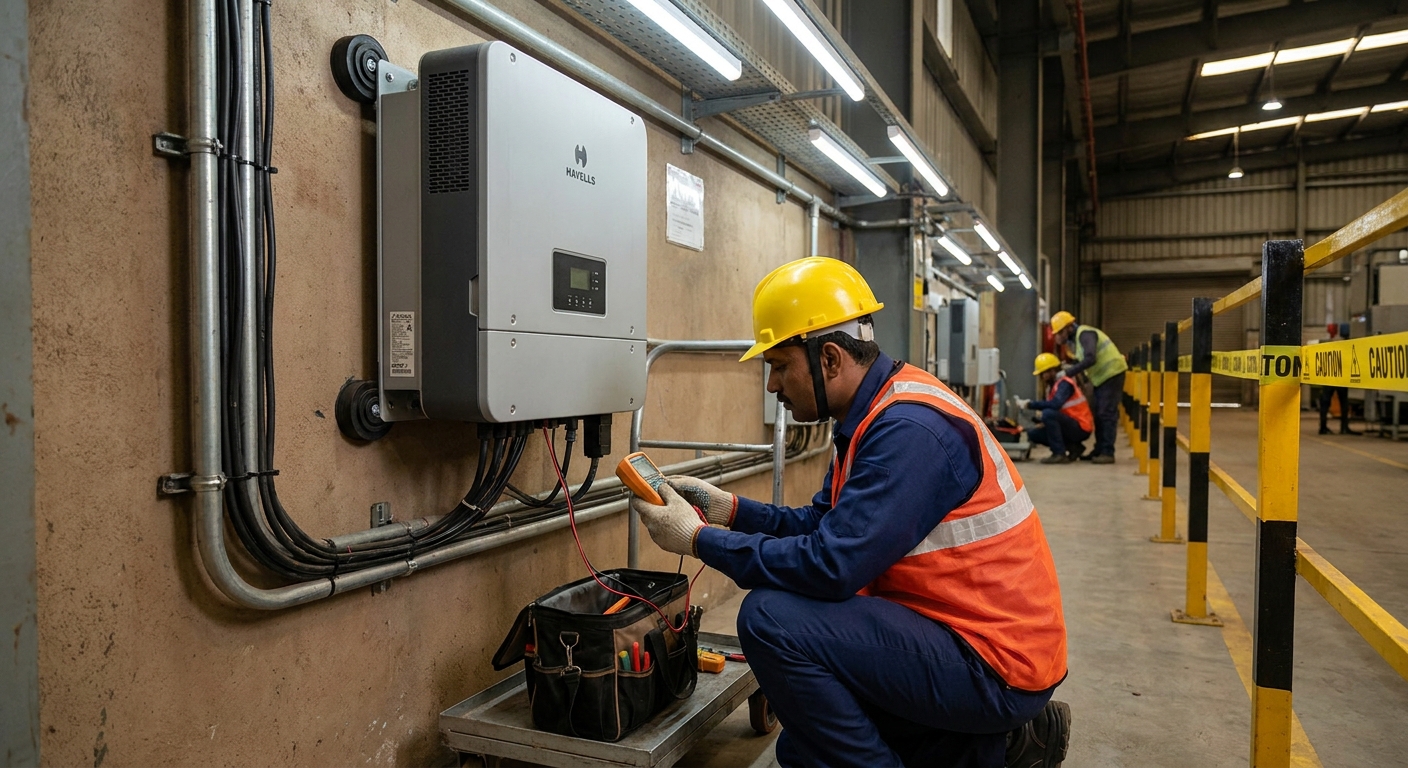
If an existing inverter is producing more noise than expected, several practical interventions can help. The right solution depends on the source of the noise.
Anti-Vibration Mounting
Installing rubber anti-vibration pads between the inverter and the mounting surface is one of the simplest and most effective noise reduction measures. These pads absorb mechanical vibration before it can transfer to the wall and amplify. This is especially useful for inverters mounted on hollow walls or metal structures.
Acoustic Enclosures
For commercial installations where noise is a significant concern, purpose-built acoustic enclosures with ventilation can reduce perceived noise levels by 10, 15 dB. These must be designed carefully to ensure adequate airflow, an overheated inverter will produce more noise, not less.
Firmware Updates
Many modern inverters allow fan speed curves to be adjusted through firmware updates. Manufacturers sometimes release updates that optimize thermal management algorithms, reducing unnecessary fan activity during moderate load conditions. Check with your inverter manufacturer for available updates.
Regular Maintenance
Cleaning dust from heat sinks, tightening loose mounting hardware, and inspecting cable management can prevent noise from escalating over time. A well-maintained inverter is a quieter inverter. For guidance on long-term maintenance planning, see our article on Solar Inverter Lifespan: Complete Financial Planning Guide.
When Replacement Is the Better Option
If an inverter is producing grinding, rattling, or persistent abnormal noise despite maintenance interventions, the cost of continued repairs may exceed the value of the unit. Inverters with failing fans, degraded capacitors, or worn bearings are candidates for replacement, especially if they are approaching the end of their warranty period. Investing in a quality replacement with a strong warranty is often the more economical long-term decision.
FAQ 9: How Do I Troubleshoot a Noisy Solar Inverter?

A systematic approach to inverter noise troubleshooting saves time and prevents misdiagnosis. Follow this step-by-step checklist when investigating unusual sounds from a solar inverter.
Step 1: Identify the Type of Noise
Before doing anything else, characterize the sound. Is it a hum, a buzz, a rattle, a whine, or a grinding noise? Is it constant or intermittent? Does it change with load or time of day? This information is critical for accurate diagnosis.
Step 2: Check Mounting Hardware
Inspect all mounting bolts and brackets. Tighten any loose fasteners. Check that cable conduits and cable ties are not vibrating against the inverter body or the wall. Many “mysterious” noises are resolved at this step.
Step 3: Review Monitoring System Alerts
Check your inverter’s monitoring platform for any active fault codes or performance anomalies. Unusual noise often correlates with logged events such as over-temperature warnings, grid voltage deviations, or fan fault alerts. AI-powered monitoring systems that deliver real-time alerts via WhatsApp can flag these issues before they escalate into audible problems. This is one of the most practical advantages of smart monitoring for Indian EPCs managing multiple sites remotely.
Step 4: Inspect the Cooling Fan
If the inverter has an accessible fan, visually inspect it for dust buildup, blade damage, or bearing wear. A fan that wobbles or produces a grinding sound needs replacement. Do not operate the inverter with a failed fan, thermal damage can follow quickly.
Step 5: Check for Grid Issues
Use a power quality meter to check for voltage fluctuations, harmonics, or frequency deviations at the inverter’s AC output. Grid-related noise is common in areas with unstable supply. Ensure that AC and DC surge protection devices (SPDs) are installed and functioning correctly.
Step 6: Contact Manufacturer Support
If the noise persists after completing the above steps, contact your inverter manufacturer’s technical support team. Provide the fault codes, monitoring data, and a description of the noise. Quality manufacturers with dedicated support infrastructure can diagnose issues remotely and dispatch service teams when needed. Qbits offers dedicated technical support through its support portal for exactly these situations.
FAQ 10: What Should EPCs Look for in a Low-Noise Inverter for Indian Projects?
For EPCs specifying inverters across multiple projects in India, inverter noise performance should be a formal evaluation criterion alongside efficiency, warranty, and monitoring capabilities. Here’s what to look for:
Key Specifications to Evaluate
- Rated noise level (dB): Look for datasheets that specify noise at full load, not just idle. Target below 40 dB for residential and below 50 dB for commercial applications.
- Cooling design: Variable-speed fans or passive cooling are preferable to fixed-speed fans. Fanless designs are ideal for noise-sensitive environments.
- IP rating: IP66 or higher enables outdoor installation, removing noise from occupied spaces entirely.
- Component quality: Inverters built with premium-grade components produce less electrical noise and maintain lower noise levels over their lifespan.
- Quality testing: Ask manufacturers how many quality tests each unit undergoes. Higher test counts correlate with tighter manufacturing tolerances and lower noise variance.
Warranty Coverage for Noise-Related Failures
Fan failures, bearing wear, and capacitor degradation are the most common causes of increasing inverter noise over time. These are component-level failures that should be covered under a comprehensive inverter warranty. A 12-year full replacement warranty, like the one offered by Qbits, provides meaningful protection against noise-related degradation throughout the inverter’s operational life.
For a complete framework on evaluating inverter manufacturers for Indian projects, refer to our guide on Solar Inverter Manufacturers in India: Complete Evaluation Guide for EPCs & Distributors (2026).
Inverter Noise and Long-Term ROI: The Hidden Connection
There’s a deeper reason why inverter noise deserves serious attention beyond comfort and compliance. Noise is often a proxy for build quality, and build quality is directly tied to long-term ROI.
An inverter that runs loudly from day one may be using lower-grade capacitors that degrade faster, fans with shorter bearing lifespans, or switching components with higher electrical losses. These same characteristics that produce excess noise also reduce efficiency, increase heat generation, and shorten operational lifespan. The result is higher maintenance costs, earlier replacement cycles, and reduced energy yield over the system’s lifetime.
Conversely, a well-engineered inverter that operates quietly is typically one that also runs efficiently, manages heat effectively, and maintains performance over many years. The 98% efficiency achieved by Qbits inverters is not coincidental, it reflects the same precision engineering that keeps noise levels low and component stress minimal.
When evaluating the total cost of ownership for a solar installation, inverter noise is a useful early indicator of the quality you’re actually getting. For a detailed analysis of how inverter quality affects financial returns, see our article on Solar Inverter Lifespan: Complete Financial Planning Guide.
“A quiet inverter is not just a comfort feature, it’s a signal of precision manufacturing, efficient thermal management, and long-term reliability. In the Indian solar market, where conditions are demanding and project lifespans are long, noise performance is a meaningful quality indicator.”
Final Thoughts: Choosing a Quiet, Reliable Solar Inverter in India
Inverter noise is a multifaceted issue that touches on engineering design, installation practice, climate adaptation, and long-term reliability. The good news is that modern inverter technology has made near-silent operation achievable, provided you choose the right product and install it correctly.
For EPCs and facility owners in India, the key takeaways from this guide are clear. First, understand what normal inverter noise levels look like and use that baseline to identify problems early. Second, prioritize inverters with variable-speed or passive cooling, high-frequency transformerless designs, and IP66 protection for flexible, quiet installation. Third, use smart monitoring to catch noise-related faults before they escalate. And fourth, treat noise performance as a quality signal when comparing solar inverters in India, it tells you more about build quality than a spec sheet alone.
Qbits inverters are engineered to meet all of these criteria. With German-grade components, 1,000+ automated quality tests per unit, IP66 weather protection, AI-powered WhatsApp monitoring, and a 12-year full replacement warranty, Qbits delivers the quiet, reliable performance that demanding Indian installations require.
Ready to specify a low-noise, high-performance inverter for your next project? Inquire now via WhatsApp to speak directly with a Qbits technical specialist, or explore the full Qbits product range to find the right inverter for your residential or commercial installation. If you’re a distributor or EPC looking to add Qbits to your portfolio, become a partner today and bring quiet, precision-engineered solar power to your customers.
This blog post was written using thestacc.com