



How to Become a Solar Inverter Partner in India (2026)


India’s solar energy sector is growing faster than almost any other market in the world. For distributors, dealers, and solar businesses, this creates a powerful opportunity: becoming solar inverter partners in India with a manufacturer that offers quality products, strong margins, and long-term support. Whether you are an established electrical distributor looking to expand your portfolio or a solar EPC company wanting to add a distribution vertical, this guide walks you through every step of the process in 2026.
From evaluating manufacturer partnerships and understanding territory rights to reviewing warranty systems and completing your application, this is the most comprehensive resource available for anyone exploring inverter partners India opportunities today.

Why Becoming Solar Inverter Partners in India Is a Smart Business Move in 2026
India added over 24 GW of solar capacity in 2024 alone, and the government’s target of 500 GW of renewable energy by 2030 means the pipeline of new installations is enormous. Every solar installation needs an inverter. That simple fact makes the inverter distribution business one of the most resilient and scalable opportunities in the Indian energy sector right now.
The demand for solar inverters in India spans three major segments: residential rooftop systems, commercial and industrial (C&I) installations, and large-scale utility projects. Each segment has different product requirements, but all three are growing simultaneously. For inverter partners in India, this means a diversified customer base and multiple revenue streams from a single product category.
Beyond raw demand, the market is also maturing. End customers, whether homeowners or factory owners, are becoming more educated. They ask about efficiency ratings, warranty terms, monitoring capabilities, and component quality. This shift rewards channel partners who align with manufacturers that offer technically superior, well-certified products rather than the cheapest option available.
According to the Ministry of New and Renewable Energy (MNRE), India’s installed solar capacity crossed 90 GW in 2025, with rooftop solar growing at over 30% year-on-year. For businesses evaluating inverter partners India opportunities, the timing has never been better.
1. Understand the Types of Inverter Partnership Models Available
Before you approach any manufacturer, it is important to understand the different partnership structures available in the Indian solar inverter market. Choosing the right model for your business size and capabilities will determine your margins, responsibilities, and growth potential.
Distributor vs. Dealer vs. Channel Partner
A distributor typically purchases stock in bulk directly from the manufacturer, warehouses it, and supplies to a network of dealers or installers. Distributors carry higher inventory risk but earn better margins. A dealer operates at a smaller scale, often serving a specific city or district, and may purchase from a distributor rather than directly from the manufacturer. A channel partner is a broader term that can include both, but often refers to businesses that combine sales, installation, and service under one roof.
Territory Models: State, Regional, or National
Most inverter manufacturers in India offer territory-based partnerships. A state-level distributor gets exclusive or preferred rights to sell within a defined state. Regional distributors may cover multiple states. National distributors handle pan-India supply chains. For most new partners, starting with a state-level agreement is the most practical approach, as it limits competition from other partners of the same brand in your geography.
Which Model Suits Your Business?
If you already have an established electrical or solar distribution network, a distributor model with state-level exclusivity is likely the best fit. If you are an EPC company or installer, a channel partner model that combines product supply with installation services may offer better margins and customer stickiness. Evaluate your existing infrastructure, team size, and working capital before committing to a model.
For a deeper look at how to evaluate manufacturers before choosing a partner, read our guide on Solar Inverter Manufacturers in India: Complete Evaluation Guide for EPCs & Distributors (2026).
2. Evaluate What to Look for in an Inverter Manufacturer Partnership
Not all inverter manufacturers offer the same value to their inverter partners in India. The quality of the partnership is just as important as the quality of the product. Here is what to assess before signing any agreement.
Product Quality and Certifications
Always verify that the inverter brand holds BIS (Bureau of Indian Standards) and IEC certifications. These are not optional in the Indian market. Beyond certifications, look at the efficiency rating (top-tier inverters now achieve up to 98% efficiency), the quality of electronic components, and whether the manufacturer conducts rigorous quality testing. Qbits, for example, subjects every unit to 1,000+ automated quality tests and uses German-grade electronic components, which directly reduces field failure rates and warranty claims for partners.
Warranty Terms: A Critical Differentiator
Warranty terms are one of the most powerful sales tools available to inverter partners in India. Standard warranties in the market range from 5 to 7 years. A manufacturer offering a 12-year full replacement warranty, like Qbits, gives you a significant competitive advantage when pitching to end customers. Longer warranties signal manufacturer confidence in product durability and reduce the risk of post-sale disputes for your business.
Smart Features That Help You Sell
Modern inverter buyers, especially in the commercial segment, expect intelligent monitoring. Look for manufacturers that offer AI-powered monitoring systems, remote diagnostics, and connectivity options like Wi-Fi, 4G, and Bluetooth. Qbits’ WhatsApp-based monitoring system is a particularly strong selling point in the Indian market, where WhatsApp is the dominant business communication platform. Features like IP66 weather protection and DC/AC surge protection devices (SPDs) also address real concerns for rooftop installations in India’s harsh climate conditions.
Manufacturer Reputation and Legacy
A manufacturer’s track record matters. Qbits is backed by the Heaven Group legacy, a well-established name in the Indian energy sector. This kind of institutional backing provides partners with confidence in supply chain stability, financial strength, and long-term commitment to the market.
To understand what technical criteria matter most when selecting inverters for your customers, see our detailed resource: Solar Inverter Selection: 10 Critical Criteria for EPCs.
3. Assess the Investment Requirements and Profit Margins

One of the first questions any prospective inverter partner in India asks is: how much do I need to invest, and what returns can I expect? While specific figures vary by manufacturer and territory, here is a practical framework for evaluating the financial side of an inverter distribution partnership.
Initial Stock Investment
Most manufacturers require an initial stock purchase to activate a distribution agreement. This serves as proof of commitment and ensures you have inventory ready to serve customers. The size of this initial order typically depends on the territory size and the product range you are taking on. For a state-level distribution agreement covering both residential and commercial inverter ranges, initial investments can vary significantly based on the manufacturer’s minimum order requirements and the product mix you select.
Understanding Margin Structures
Inverter distribution margins in India typically operate on a tiered structure. Distributors earn a higher base margin than dealers, and volume-based incentives can significantly increase effective margins over time. When evaluating inverter cost and pricing strategy, consider not just the base margin but also:
- Volume rebates for hitting quarterly or annual sales targets
- Marketing development funds (MDF) provided by the manufacturer
- Service revenue from warranty support and installation services
- Repeat business from customers who trust your brand recommendation
ROI Timeline for Inverter Channel Partners
The ROI timeline for inverter partners in India depends heavily on your existing customer base and sales infrastructure. Partners who already have relationships with solar installers, EPCs, or electrical contractors tend to see faster returns because they can immediately introduce the new product line to warm prospects. For businesses building from scratch, a 12 to 18-month timeline to reach consistent profitability is a reasonable expectation.
Working Capital and Credit Terms
Negotiate credit terms carefully. The ability to carry 30 to 60 days of credit from the manufacturer can significantly reduce your working capital burden, especially during the initial ramp-up phase. Ask about credit limits, payment terms, and whether the manufacturer offers any financing support for large project orders.
For a detailed look at how inverter pricing strategies affect your margins and customer proposals, read our guide on Solar Inverter Pricing Strategies for EPCs (2026).
4. Understand Territory Rights and Market Coverage
Territory rights are one of the most important clauses in any inverter partnership agreement. Getting this right protects your investment and ensures you can build a sustainable business without competing against other partners of the same brand in your area.
Exclusive vs. Non-Exclusive Territory Agreements
An exclusive territory agreement means the manufacturer will not appoint another distributor or dealer in your defined geography. This is the preferred arrangement for most serious inverter partners in India because it allows you to invest in brand building, customer relationships, and local marketing without the risk of another partner undercutting you. Non-exclusive agreements are more common for smaller dealers and carry higher competitive risk.
Key Solar-Active States in India
When evaluating territory potential, focus on states with strong solar adoption and supportive state-level policies. The highest-opportunity states for inverter partners in India currently include:
- Gujarat: One of India’s leading solar states with strong rooftop and utility-scale activity
- Rajasthan: Massive land availability driving large-scale solar growth
- Maharashtra: Strong C&I demand, especially in Pune and Mumbai industrial corridors
- Tamil Nadu: Established solar market with active residential and commercial segments
- Uttar Pradesh: Rapidly growing rooftop solar adoption driven by PM Surya Ghar Yojana
- Karnataka: Tech-driven commercial sector with high solar awareness
Protecting Your Territory from Channel Conflict
Even with an exclusive agreement, channel conflict can arise if the manufacturer sells directly to large project developers in your territory. Clarify in writing which customer segments are covered by your exclusivity, what the manufacturer’s direct sales policy is, and how disputes will be resolved. A reputable manufacturer will have clear, documented policies on this.
5. Review Training, Technical Support, and Onboarding Programs
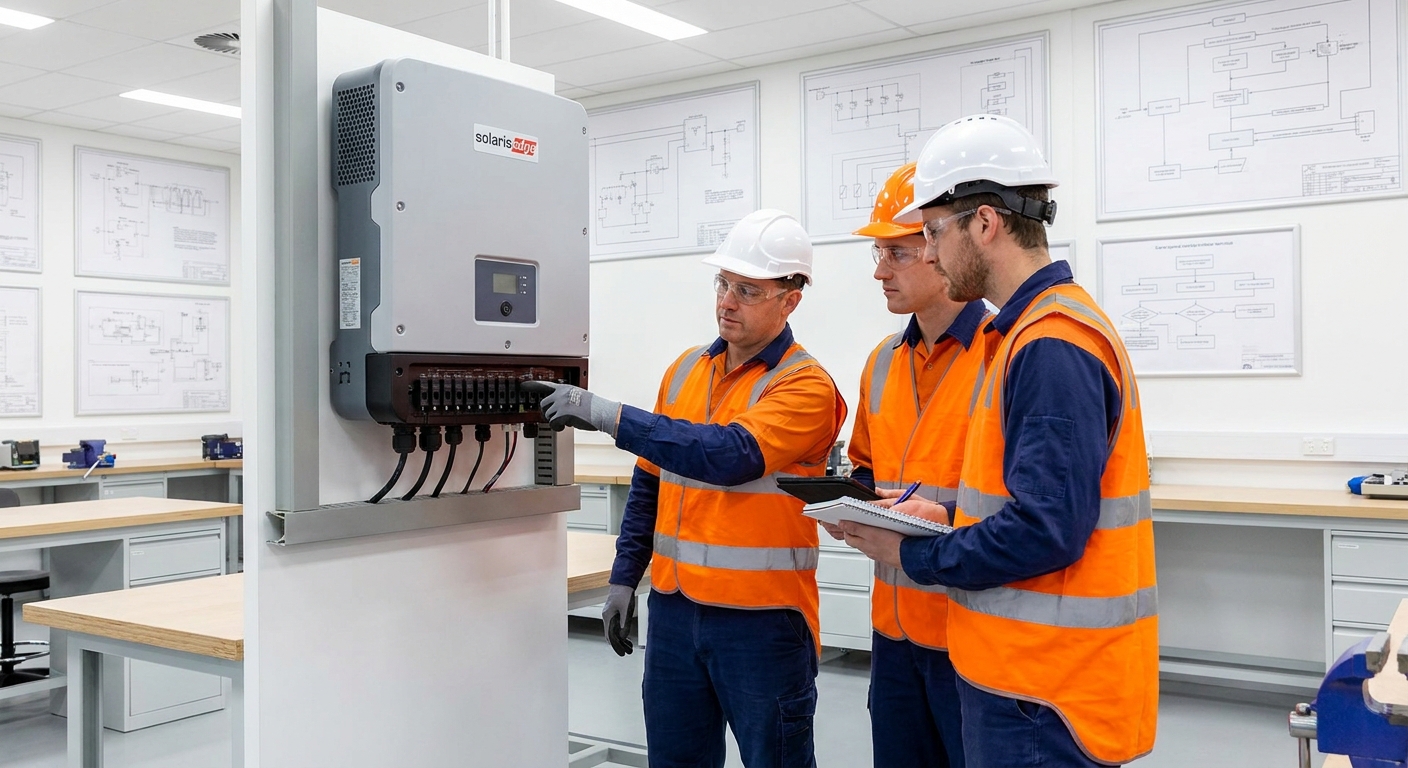
The quality of a manufacturer’s partner onboarding and training program is a strong indicator of how well they will support you after you sign the agreement. Strong training programs reduce your team’s learning curve, improve installation quality, and lower warranty claim rates.
What a Good Partner Onboarding Program Looks Like
A well-structured onboarding program for inverter partners in India should cover product knowledge, installation procedures, commissioning protocols, and troubleshooting basics. It should be delivered through a combination of in-person training, online modules, and hands-on workshops. The best manufacturers also provide dedicated partner managers who serve as your primary point of contact for technical and commercial queries.
Technical Training for Installation and Troubleshooting
Your installation teams and service technicians need to be confident with the product. Look for manufacturers that offer certified installer programs, regular refresher training, and access to detailed technical documentation. Inverter troubleshooting support, whether through a helpdesk, WhatsApp group, or dedicated service portal, is essential for resolving field issues quickly and maintaining customer satisfaction.
Sales and Marketing Support
Beyond technical training, the best manufacturer partnerships include sales enablement support. This means co-branded marketing materials, product brochures, digital assets, and sometimes joint customer visits or webinars. Manufacturers that invest in helping their partners sell are the ones worth building a long-term relationship with.
Digital Tools and Monitoring Platforms
Access to the manufacturer’s monitoring platform is increasingly important for inverter partners in India. Being able to demonstrate real-time performance data to prospective customers is a powerful sales tool. Qbits’ AI-powered WhatsApp monitoring system allows partners and end customers to track system performance, receive alerts, and access diagnostics without needing a separate app or complex setup. This kind of feature simplifies your after-sales support process significantly.
To understand how monitoring systems work and why they matter to your customers, explore our detailed article on Solar Inverter Monitoring Systems in India (2026).
6. Verify Warranty Support Systems and After-Sales Infrastructure
For inverter partners in India, warranty support is not just a customer benefit. It is a direct risk management tool for your business. Every warranty claim that is handled poorly reflects on you as the channel partner, not just the manufacturer. This is why the quality of a manufacturer’s after-sales infrastructure deserves serious scrutiny before you commit.
Why Warranty Terms Are a Key Selling Point
In a market where many inverter brands offer 5-year warranties, a manufacturer offering a 12-year full replacement warranty gives you a compelling differentiator. End customers, especially commercial and industrial buyers making large capital investments, place significant value on long-term protection. A stronger warranty also signals product confidence, which makes your sales conversations easier and more credible.
Digital Warranty Registration and Claims
Manual warranty processes create friction for both partners and customers. Look for manufacturers with digital warranty systems that allow online registration, claim submission, and status tracking. Qbits offers a fully digital warranty system where customers can download and register their warranty directly, reducing administrative burden for partners and improving the customer experience.
Inverter Troubleshooting and Helpdesk Access
Field issues are inevitable in any installation business. What matters is how quickly and effectively they are resolved. A manufacturer with a dedicated technical support helpdesk reduces the time your team spends troubleshooting and minimizes customer downtime. Ask prospective manufacturer partners about their average response time for technical queries and their escalation process for complex field issues.
How Strong After-Sales Support Reduces Your Risk
When a manufacturer backs you with robust after-sales infrastructure, your risk as an inverter partner in India drops significantly. You spend less time managing complaints, your customers stay satisfied, and your reputation in the market grows. This is the compounding benefit of choosing a manufacturer that treats partner support as a core business function, not an afterthought.
7. Complete the Application and Onboarding Process

Once you have evaluated your options and identified the right manufacturer partnership, the final step is completing the application and onboarding process. Here is what to expect.
Documents Typically Required for Partnership Applications
Most inverter manufacturers in India require the following documentation to process a partnership application:
- GST registration certificate
- Company registration documents (PAN, incorporation certificate)
- Bank account details and financial references
- Proof of existing business operations (trade references, past invoices)
- Details of your existing customer base and distribution network
- Proposed territory and business plan
How to Apply to Become a Qbits Inverter Channel Partner
Qbits has streamlined its partner application process to make it straightforward for qualified businesses. You can start your Qbits partner application here and complete the initial inquiry form online. The process is designed to be efficient, with a dedicated partner team reviewing applications and responding with next steps promptly.
What to Expect During Evaluation and Approval
After submitting your application, the manufacturer’s partner team will typically conduct a business review, which may include a call or meeting to discuss your territory, existing network, and business goals. This is also your opportunity to ask detailed questions about margin structures, territory exclusivity, training timelines, and support systems. Treat this as a two-way evaluation: you are assessing them as much as they are assessing you.
First Steps After Approval
Once approved as an inverter partner in India, your onboarding typically begins with a product training session, followed by your initial stock order and territory activation. You will receive access to marketing materials, the digital warranty system, and the manufacturer’s support portal. The faster you complete onboarding and get your first installations commissioned, the faster you build momentum in your territory.
To understand the long-term financial value of the inverter products you will be selling, review our comprehensive resource on Solar Inverter Lifespan: Complete Financial Planning Guide.
Frequently Asked Questions About Inverter Partners India
What is the minimum investment to become an inverter distributor in India?
The minimum investment varies by manufacturer and territory size. It typically covers an initial stock purchase and may include a security deposit. Contact the manufacturer directly for specific investment requirements, as these are negotiated based on your proposed territory and business scale.
Do I need prior solar experience to become a channel partner?
Prior solar or electrical distribution experience is helpful but not always mandatory. Many manufacturers, including Qbits, provide comprehensive product training as part of the onboarding process. However, having an existing customer base of electricians, contractors, or solar installers will significantly accelerate your ramp-up.
How does Qbits support its inverter partners in India?
Qbits supports its inverter partners in India through a combination of technical training, a digital warranty system, AI-powered monitoring tools, a dedicated support helpdesk, and co-branded marketing materials. Partners also benefit from Qbits’ 12-year full replacement warranty, which is a strong differentiator in customer conversations. You can explore the full product range at Qbits’ product page.
What certifications should I look for in an inverter brand?
At a minimum, look for BIS certification (mandatory for inverters sold in India) and IEC certification (international standard for safety and performance). Additional certifications like IP66 weather protection ratings are important for rooftop applications in India’s varied climate conditions. Qbits products are BIS/IEC certified and carry IP66 protection as standard.
Can I become a partner if I already distribute other solar products?
Yes. Many inverter partners in India are existing distributors of solar panels, mounting structures, or electrical components who add inverters to their portfolio. In fact, having complementary products can strengthen your value proposition to installers and EPCs, who prefer to source multiple components from a single trusted supplier.
What is the difference between on-grid and hybrid inverters for distribution purposes?
On-grid inverters are simpler, lower-cost products suited for grid-connected residential and commercial installations without battery storage. Hybrid inverters support battery integration and are growing rapidly in demand as battery storage costs fall. Distributing both product types, as Qbits offers, allows you to serve a wider range of customer needs and capture higher-value projects. For more context, see our article on Solar Inverter Selection: 10 Critical Criteria for EPCs.
Take the Next Step as Solar Inverter Partners in India
The Indian solar market in 2026 offers a genuine, long-term business opportunity for distributors and channel partners who choose the right manufacturer to align with. As inverter partners in India, your success depends on three things: the quality of the product you represent, the strength of the manufacturer’s support systems, and the clarity of your territory and commercial agreement. Qbits delivers on all three fronts, with BIS/IEC certified inverters, a 12-year full replacement warranty, AI-powered monitoring, and a partner support infrastructure built for the Indian market.
If you are ready to explore what a Qbits partnership looks like for your business, the next step is simple. Start your partner application today and our team will walk you through territory availability, margin structures, and onboarding timelines. Alternatively, send us a WhatsApp inquiry for a faster response from our partner development team. You can also contact us directly to schedule a detailed discussion about your specific market and business goals.
Follow Qbits on LinkedIn and Instagram to stay updated on product launches, partner success stories, and market insights. Watch our product overview on YouTube to see Qbits inverters in action before your first conversation with our team.
This blog post was written using thestacc.com