



3kW vs 5kW vs 10kW Solar Inverters: Capacity Guide 2026

Understanding Solar Inverter Capacity: The Foundation of System Design
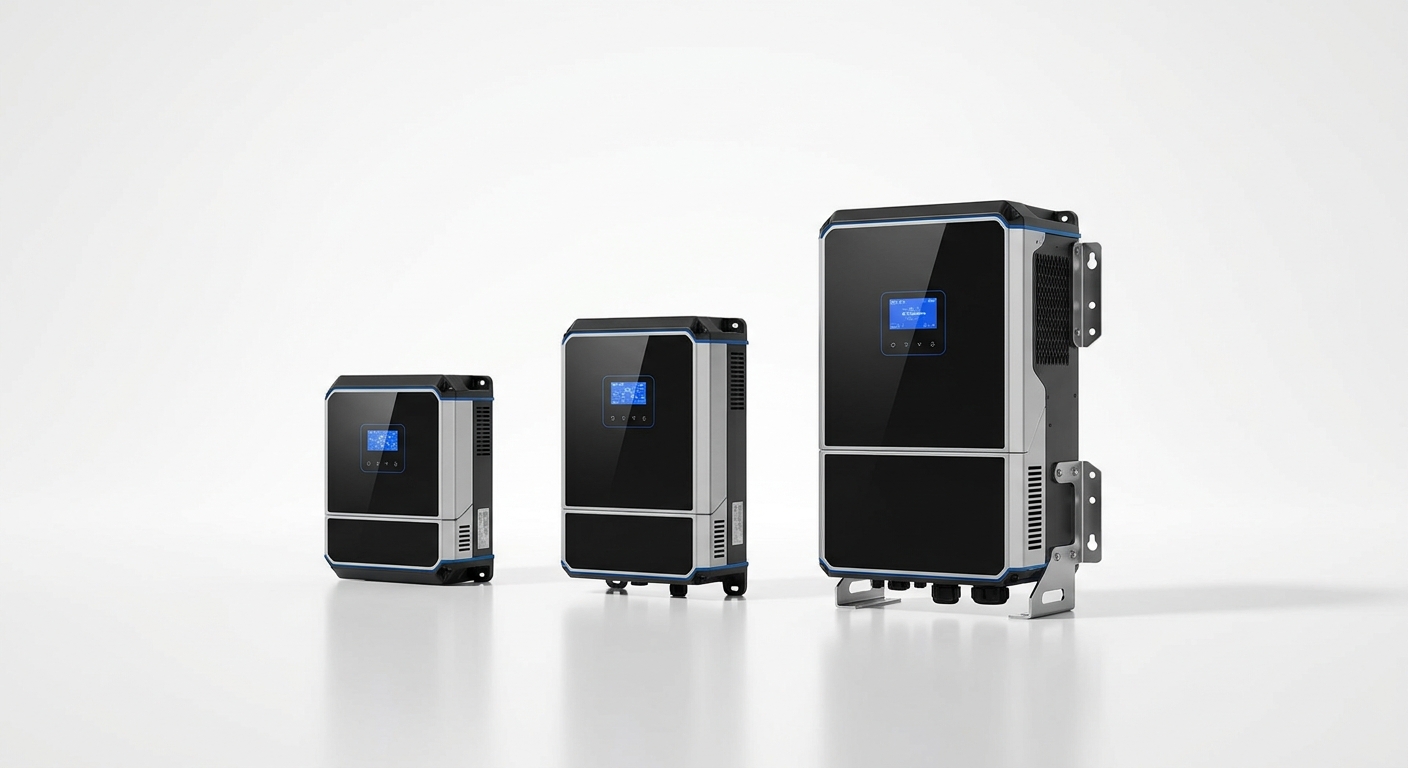
Choosing the right inverter capacity is one of the most critical decisions solar EPCs and installers face when designing photovoltaic systems across India. The inverter capacity—measured in kilowatts (kW)—determines how much DC power from solar panels can be converted to usable AC electricity at any given moment. This single specification influences everything from system performance and energy yield to installation costs and long-term return on investment.
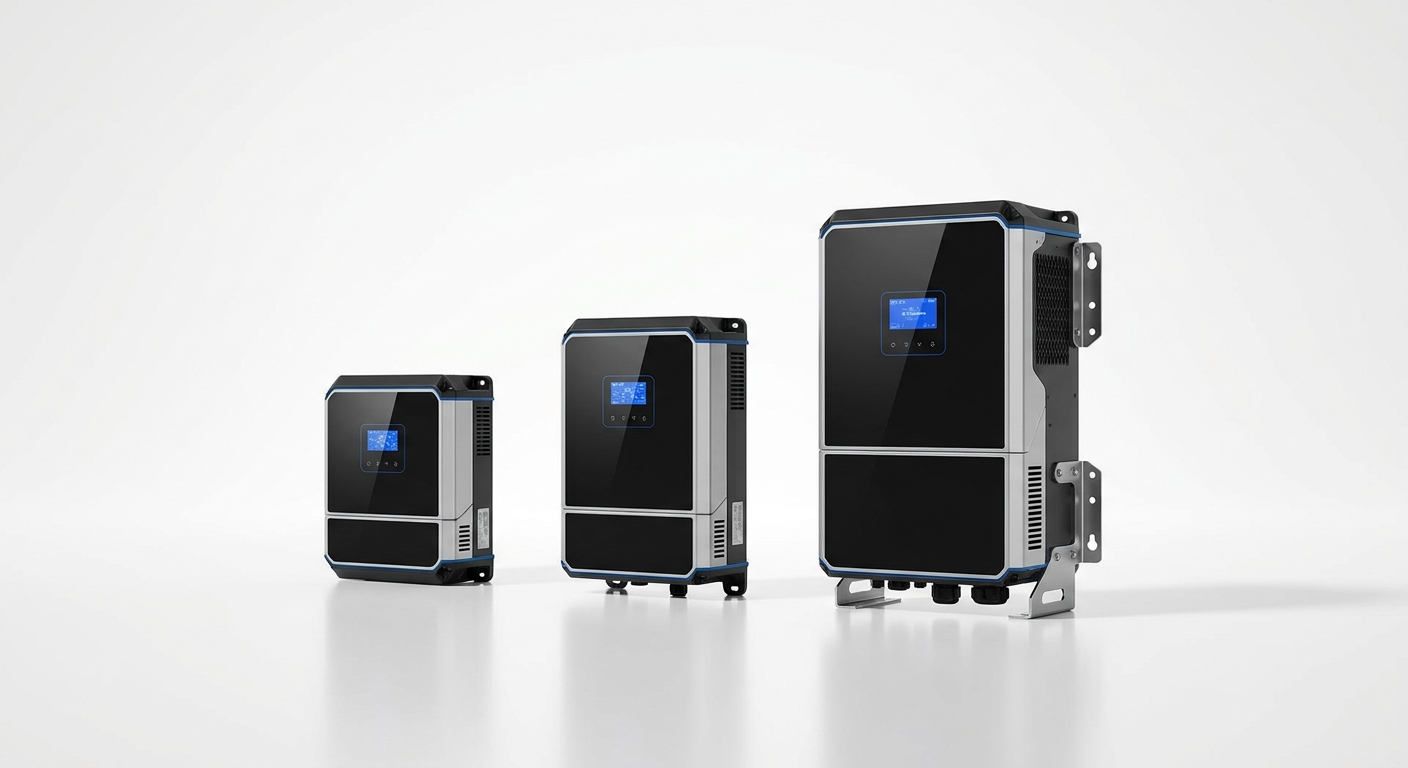
In the Indian solar market of 2026, understanding inverter capacity goes beyond simply matching numbers. Modern solar installations leverage DC oversizing strategies, where the solar panel array capacity exceeds the inverter’s rated capacity by 20-50% or more. For instance, a 5kW inverter might support a 6.5kW or even 7.5kW solar panel array, maximizing energy harvest during non-peak hours while the inverter clips excess power during peak production periods.
The relationship between inverter capacity and panel configuration has evolved significantly with the introduction of high-wattage panels. Today’s 650W to 750W bifacial modules require inverters with wider voltage windows and robust MPPT (Maximum Power Point Tracking) capabilities. Selecting the right inverter means evaluating not just the nameplate capacity, but also DC oversizing support, efficiency curves, and compatibility with modern panel technology.
For solar EPCs operating across India’s diverse climate zones—from the scorching heat of Rajasthan to the humid coastal regions of Kerala—inverter capacity selection must account for temperature derating, altitude effects, and local grid conditions. A properly sized inverter operates within its optimal efficiency range throughout the day, typically maintaining 96-98% conversion efficiency during peak production hours.
The most common inverter capacity ranges in the Indian residential market span from 3kW for small apartments to 10kW for large homes and small commercial establishments. Beyond 10kW, commercial and industrial (C&I) projects typically deploy 15kW, 20kW, 25kW, 50kW, or even 100kW+ string inverters depending on the facility’s energy requirements and available rooftop or ground-mount space.
3kW Solar Inverter Capacity: Residential Entry Point
The 3kW inverter capacity serves as the entry point for residential solar installations in India, particularly suited for small apartments, 2-3 BHK homes, and households with modest electricity consumption patterns. A 3kW system typically generates 12-15 units (kWh) of electricity daily, depending on location, panel orientation, and seasonal variations.
For EPCs designing 3kW systems, the typical panel configuration involves 8-10 solar panels of 540-650W capacity, creating a DC array of 3.5-4.5kW. This 15-30% DC oversizing ensures the inverter operates at peak efficiency even during suboptimal conditions like morning hours, cloudy periods, or winter months when solar irradiance is lower. The oversizing strategy compensates for panel degradation over time and maximizes the system’s energy yield throughout its 25-year lifespan.
From a load coverage perspective, a 3kW solar inverter capacity handles typical residential loads including:
- LED lighting throughout the home (200-300W)
- Refrigerator and kitchen appliances (400-600W)
- Ceiling fans and air circulation (200-400W)
- Television and entertainment systems (150-250W)
- Mobile charging and small electronics (50-100W)
- One air conditioner during peak solar hours (1500W)
The investment for a 3kW solar inverter in India’s 2026 market ranges from ₹18,000 to ₹35,000 depending on the brand, technology (on-grid vs hybrid), and warranty coverage. When factoring in the complete system cost including panels, mounting structures, and installation, 3kW systems typically deliver ROI within 4-5 years in states with favorable net metering policies and high electricity tariffs.
However, EPCs should carefully assess whether 3kW truly meets the client’s needs. Many households underestimate their actual consumption or fail to account for future load growth. Adding an electric vehicle charger, upgrading to a larger air conditioner, or expanding the home can quickly render a 3kW system inadequate. In such cases, recommending a 5kW capacity from the outset provides better long-term value despite the higher initial investment.
5kW Solar Inverter Capacity: The Residential Sweet Spot
The 5kW inverter capacity has emerged as the undisputed champion of India’s residential solar market, representing approximately 45-50% of all residential installations completed by EPCs in 2026. This capacity tier strikes an optimal balance between system cost, energy generation, and load coverage for typical Indian households.
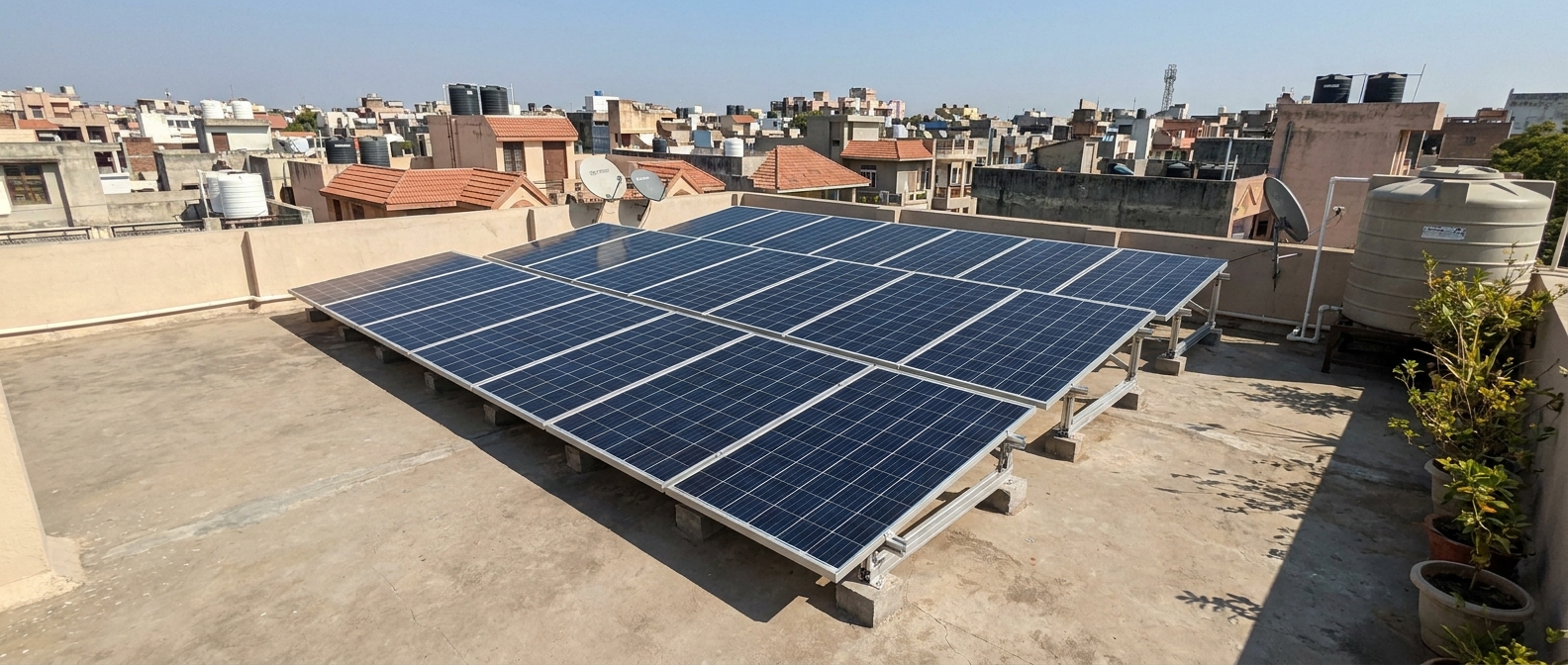
A 5kW solar system generates 20-25 units of electricity daily under standard conditions, sufficient to power a 3-4 BHK home with modern appliances including multiple air conditioners, washing machines, water heaters, and kitchen equipment. The system typically comprises 12-16 solar panels creating a 6-7.5kW DC array, leveraging 20-50% oversizing to maximize energy harvest throughout varying weather conditions.
The popularity of 5kW inverter capacity among EPCs stems from several practical advantages:
- Optimal cost-per-watt economics: Manufacturing and distribution efficiencies at this capacity tier result in better pricing than smaller units
- Single-phase compatibility: Works with standard residential electrical connections without requiring three-phase upgrades
- Roof space efficiency: Fits comfortably on most Indian residential rooftops (250-300 sq ft required)
- Net metering alignment: Matches sanctioned load limits in most state electricity board policies
- Future-proof capacity: Accommodates moderate load growth without system upgrades
When comparing on-grid versus hybrid configurations at 5kW capacity, EPCs must consider the client’s backup power requirements. A standard on-grid 5kW inverter focuses purely on grid-tied solar generation, feeding excess power to the grid for net metering credits. Hybrid 5kW inverters integrate battery storage capabilities, providing backup power during grid outages while maintaining solar generation and grid export functionality.
The pricing landscape for 5kW solar inverters in India spans ₹28,000 to ₹65,000, with premium brands offering advanced features like AI-powered monitoring, IP66 weather protection, and extended 12-year warranties commanding the higher end of the spectrum. Qbits Energy’s 5kW inverters, for example, incorporate German-grade components and WhatsApp-based monitoring systems specifically designed for the Indian market’s unique requirements.
For EPCs, the 5kW segment offers the strongest competitive positioning. Clients at this capacity level are typically well-informed homeowners making significant investments in energy independence. They value quality, warranty coverage, and intelligent monitoring capabilities—factors that justify premium pricing for superior products. Choosing the right inverter manufacturer becomes crucial at this capacity tier where performance differences directly impact client satisfaction and referral business.
10kW Solar Inverter Capacity: Commercial Entry and Large Residential
The 10kW inverter capacity represents the transition point between residential and commercial solar applications in India. This capacity tier serves large villas, bungalows with extensive air conditioning requirements, small commercial establishments, professional offices, retail shops, and light industrial facilities with daytime power consumption patterns.
A 10kW solar installation generates 40-50 units of electricity daily, supporting substantial loads including:
- Multiple split and central air conditioning systems (4000-6000W)
- Commercial refrigeration and cold storage (1000-2000W)
- Office equipment, computers, and servers (1500-2500W)
- Industrial machinery and tools (2000-4000W)
- Lighting for commercial spaces (500-1000W)
- Water pumps and HVAC systems (1000-1500W)
At 10kW capacity, EPCs must carefully evaluate whether single-phase or three-phase inverter configurations best suit the installation. While single-phase 10kW inverters exist, three-phase models offer superior load balancing, reduced cable losses, and better compatibility with commercial electrical infrastructure. Three-phase inverters distribute the 10kW capacity across three lines (approximately 3.3kW per phase), reducing current draw and enabling the use of smaller gauge wiring.
The DC array for a 10kW system typically ranges from 12kW to 15kW, utilizing 20-24 high-wattage panels of 540-650W capacity. This configuration requires approximately 500-600 square feet of unshaded rooftop space with proper structural load-bearing capacity. EPCs must conduct thorough structural assessments before proposing 10kW installations, as the combined weight of panels, mounting structures, and equipment can exceed 600-800 kg.
From a cost perspective, 10kW solar inverters in India’s 2026 market range from ₹50,000 to ₹1,20,000 depending on technology, features, and brand positioning. The cost-per-kW advantage becomes apparent at this capacity level, with 10kW systems offering 15-20% better economics than installing two separate 5kW systems. However, installation complexity increases proportionally, requiring experienced technicians familiar with three-phase connections, higher voltage DC strings, and commercial electrical safety protocols.
The ROI timeline for 10kW commercial installations typically spans 3.5-4.5 years in high-tariff states like Maharashtra, Karnataka, and Tamil Nadu where commercial electricity rates exceed ₹8-10 per unit. For businesses with daytime operations that align with solar generation patterns, the inverter capacity choice of 10kW often delivers the fastest payback period among all capacity tiers.
Inverter Capacity Comparison: Performance Metrics That Matter
Beyond the nameplate inverter capacity rating, EPCs must evaluate several critical performance metrics that differentiate quality inverters from mediocre ones. These specifications directly impact energy yield, system reliability, and long-term client satisfaction across India’s challenging operating environments.

Efficiency curves reveal how inverters perform across varying load conditions. Premium inverters maintain 96-98% efficiency from 20% to 100% of rated capacity, while budget models may drop to 92-94% efficiency at partial loads. Since solar systems operate at partial capacity during morning and evening hours, this efficiency difference compounds over time. A 5kW system with 98% weighted efficiency generates approximately 150-200 additional units annually compared to a 94% efficient competitor, worth ₹1,200-1,600 in savings at typical residential tariffs.
Start-up voltage and low-light performance separate exceptional inverters from average ones in India’s varied climate conditions. Inverters with low start-up voltages (150-180V DC) begin generating power earlier in the morning and continue later in the evening, extending daily production hours by 30-45 minutes. Over a year, this translates to 3-5% additional energy yield, a significant advantage that justifies premium pricing for quality products.
Temperature derating factors critically impact inverter capacity performance in India’s hot climate zones. Most inverters are rated at 25°C ambient temperature, but rooftop installations regularly experience 45-55°C conditions during summer months. Quality inverters maintain full rated capacity up to 45°C and derate gradually beyond that threshold, while inferior models may derate significantly at 40°C, effectively reducing a 5kW inverter to 4.2-4.5kW capacity during peak summer production hours.
MPPT (Maximum Power Point Tracking) performance and string configuration flexibility become increasingly important at higher capacities. Dual MPPT inverters allow EPCs to design systems with panels on different roof orientations or tilt angles, optimizing energy harvest from complex rooftop layouts. The MPPT efficiency, typically 99.5-99.9% in quality inverters, determines how effectively the inverter extracts maximum power from the solar array under varying irradiance and temperature conditions.
Warranty coverage and expected lifespan vary significantly across capacity tiers and manufacturers. Standard warranties range from 5-10 years, but premium manufacturers like Qbits Energy offer 12-year full replacement warranties backed by comprehensive quality testing protocols. Understanding inverter lifespan helps EPCs calculate true total cost of ownership, as a budget inverter requiring replacement after 7-8 years may ultimately cost more than a premium unit lasting 12-15 years.
Cost Analysis: Inverter Capacity vs Investment Returns
The financial dynamics of inverter capacity selection extend far beyond the initial equipment purchase price. EPCs must present clients with comprehensive cost analyses that account for installation expenses, balance of system components, energy generation potential, and long-term maintenance requirements across different capacity tiers.
In India’s 2026 market, the approximate price ranges for quality solar inverters by capacity are:
- 3kW inverter capacity: ₹18,000-35,000 (₹6,000-11,700 per kW)
- 5kW inverter capacity: ₹28,000-65,000 (₹5,600-13,000 per kW)
- 10kW inverter capacity: ₹50,000-1,20,000 (₹5,000-12,000 per kW)
The cost-per-kW metric reveals important economies of scale. A 10kW inverter typically costs 15-20% less per kW than a 3kW unit, reflecting manufacturing efficiencies and reduced per-unit overhead costs. However, EPCs must balance this advantage against the client’s actual capacity requirements, oversizing beyond necessary capacity wastes budget without delivering proportional benefits.
Installation and balance of system costs scale differently than inverter capacity. A 10kW installation doesn’t cost twice as much to install as a 5kW system. Labor costs increase by approximately 30-40%, while mounting structures, wiring, and protection devices scale more linearly with panel count. This creates a compelling economic argument for larger capacity systems when the load requirements justify the investment.
ROI timelines vary significantly based on capacity, location, and electricity tariff structures:
- 3kW systems: 4.5-5.5 years in high-tariff states, 6-7 years in low-tariff regions
- 5kW systems: 4-5 years in high-tariff states, 5-6 years in low-tariff regions
- 10kW systems: 3.5-4.5 years for commercial installations with daytime consumption
The total cost of ownership calculation over a 12-year warranty period must include potential maintenance, monitoring system subscriptions, and the probability of component failures. Premium inverters with comprehensive warranties and robust construction minimize these hidden costs. A budget 5kW inverter priced at ₹30,000 might seem attractive compared to a ₹55,000 premium unit, but if it requires replacement after 8 years, the total 12-year cost exceeds the premium option while delivering inferior performance throughout its operational life.
For EPCs, presenting this total cost of ownership analysis builds client confidence and justifies premium product recommendations. Clients who understand that a higher-quality inverter capacity choice delivers 3-5% better energy yield, operates reliably for 12+ years, and includes advanced monitoring capabilities readily accept the 20-30% price premium over budget alternatives.
Selecting the Right Inverter Capacity: Decision Framework for EPCs
Determining optimal inverter capacity requires EPCs to follow a systematic evaluation framework that balances technical requirements, financial constraints, and client expectations. This methodology ensures installations deliver maximum value while avoiding common sizing mistakes that compromise system performance or waste client budgets.
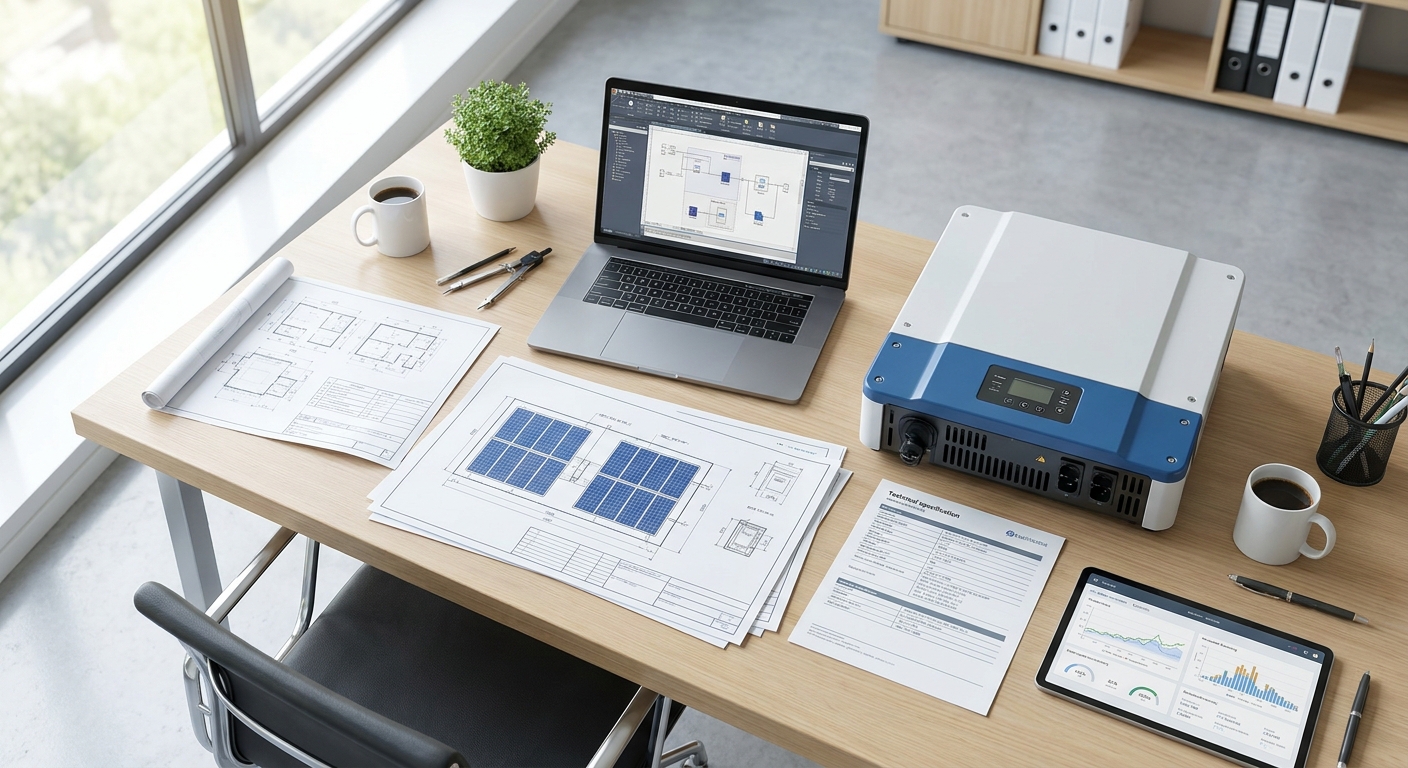
Load assessment methodology forms the foundation of capacity selection. EPCs should analyze 12 months of electricity bills to identify consumption patterns, seasonal variations, and peak demand periods. Calculate the average daily consumption in kWh, then determine what percentage the client wants to offset with solar. A household consuming 25 units daily who wants 80% solar coverage requires a system generating 20 units daily, typically a 5kW inverter capacity with appropriate DC oversizing.
However, simple average calculations miss critical nuances. Examine the load profile timing: does consumption concentrate during solar generation hours (9 AM to 5 PM) or primarily during evening and night? For on-grid systems without batteries, only daytime consumption benefits from direct solar power. Evening loads rely on net metering credits or grid power, affecting the optimal inverter capacity choice and expected savings calculations.
Future expansion considerations significantly influence capacity decisions. Will the client add electric vehicle charging (3-7 kW additional load)? Are they planning home expansions or upgrading to larger air conditioning systems? Installing a 5kW system today when a 7kW system better accommodates known future loads proves penny-wise but pound-foolish. The incremental cost of larger capacity during initial installation is far less than adding capacity later through system expansion or replacement.
Roof space constraints and panel layout optimization directly impact achievable inverter capacity. Measure available unshaded rooftop area, accounting for mandatory clearances around parapets, water tanks, and access pathways. A 5kW system requires approximately 250-300 square feet, while 10kW needs 500-600 square feet. Complex roof geometries with multiple orientations may necessitate dual-MPPT inverters or multiple smaller inverters rather than a single large unit.
Grid connection limits and net metering regulations vary across Indian states and distribution companies. Some utilities cap residential net metering at 10kW, while others allow up to sanctioned load or 500% of contracted demand. Verify local regulations before finalizing inverter capacity recommendations to ensure compliance and avoid approval delays. Commercial installations face different rules, often requiring dedicated feeders or power evacuation studies for capacities exceeding 50-100kW.
Budget constraints versus performance requirements create the classic value engineering challenge. When clients have fixed budgets insufficient for optimal capacity, EPCs must prioritize quality over quantity. A well-designed 5kW system with premium components outperforms a compromised 7kW system using budget equipment. Focus on maximizing energy yield per installed kW rather than simply maximizing capacity within budget constraints.
Client expectations regarding system monitoring and control capabilities increasingly influence inverter capacity selection. Modern inverters with AI-powered monitoring, remote diagnostics, and smartphone integration command premium pricing but deliver superior user experience and simplified maintenance. Advanced monitoring systems provide real-time performance data, fault alerts, and energy analytics that justify higher initial investment through improved system reliability and client satisfaction.
Higher Capacity Options: 15kW to 100kW+ for C&I Projects
Commercial and industrial solar projects require inverter capacity planning at scales far beyond residential applications. The 15kW to 100kW+ range introduces additional technical considerations including three-phase requirements, string inverter versus central inverter architectures, and modular capacity planning for phased installations.
For small commercial establishments, 15-25kW capacity systems serve retail shops, restaurants, small manufacturing units, and professional office complexes. These installations typically utilize three-phase string inverters that offer excellent reliability, simplified maintenance, and cost-effective scaling. A 20kW three-phase inverter distributes approximately 6.7kW per phase, balancing loads across the facility’s electrical infrastructure while maintaining high conversion efficiency.
Medium commercial projects in the 50-100kW range often deploy multiple string inverters rather than single central inverters. This modular approach provides redundancy, if one 25kW inverter fails, the remaining units continue generating power rather than losing the entire system capacity. The architecture also simplifies future expansion, allowing facilities to add capacity incrementally as energy requirements grow or additional rooftop space becomes available.
Large industrial installations exceeding 100kW capacity require sophisticated inverter capacity planning that accounts for power quality requirements, harmonic distortion limits, and grid stability considerations. These projects typically involve detailed power evacuation studies, dedicated transformer installations, and coordination with utility engineers to ensure seamless grid integration without affecting power quality for neighboring consumers.
Qbits Energy’s commercial and industrial inverter solutions address the unique requirements of C&I installations with robust three-phase designs, IP66 weather protection for harsh industrial environments, and comprehensive monitoring systems that integrate with facility management platforms. The 12-year warranty coverage provides financial security for long-term commercial investments where inverter reliability directly impacts business operations and revenue generation.
For EPCs specializing in commercial projects, inverter capacity selection must balance initial capital costs against operational efficiency and maintenance requirements. A facility operating 6 days per week for 10-12 hours daily generates substantially more value from premium inverters with superior efficiency and reliability compared to residential installations with lower utilization patterns. The incremental cost of quality components amortizes quickly across higher energy generation volumes and extended operating hours.
Inverter Capacity and Modern Panel Technology
The rapid evolution of solar panel technology fundamentally reshapes inverter capacity planning strategies for EPCs in 2026. High-wattage panels ranging from 650W to 750W deliver more power per panel, reducing installation labor and balance of system costs while introducing new considerations for inverter compatibility and string configuration optimization.
Modern high-wattage panels generate higher voltages and currents than previous generations, requiring inverters with wider voltage windows and robust input specifications. A 5kW inverter designed for 540W panels may struggle with optimal string configurations when using 700W panels, potentially limiting DC oversizing capabilities or forcing suboptimal series-parallel arrangements that compromise energy harvest.
DC oversizing capabilities vary significantly across inverter models and manufacturers. Standard inverters typically support 120-130% DC oversizing, allowing a 5kW inverter to handle 6-6.5kW of panel capacity. Premium inverters like those from Qbits Energy support up to 150-200% DC oversizing, enabling a 5kW inverter to manage 7.5-10kW of panel capacity. This aggressive oversizing maximizes energy generation during non-peak hours while accepting controlled clipping during peak irradiance periods, a strategy that increases total daily energy yield by 8-12% in many Indian locations.
String configuration optimization becomes increasingly complex with high-wattage panels. EPCs must calculate optimal series connections that keep string voltages within the inverter’s MPPT voltage window (typically 150-850V for residential inverters) while maximizing the number of panels per string to minimize wiring costs and connection points. A 5kW inverter might accommodate 2 strings of 8 panels each using 540W modules, but only 2 strings of 6-7 panels with 700W modules due to voltage constraints.
The voltage window consideration extends beyond simple maximum voltage limits. Inverters operate most efficiently when string voltages remain within the optimal MPPT tracking range throughout varying temperature conditions. Cold winter mornings can push string voltages 15-20% higher than rated values, while hot summer afternoons reduce voltages by 10-15%. EPCs must design string configurations that maintain optimal voltage ranges across seasonal temperature variations to maximize inverter capacity utilization and energy yield.
Future-proofing inverter capacity choices for panel technology evolution requires selecting inverters with generous voltage windows, high current handling capabilities, and flexible MPPT configurations. As panel technology continues advancing toward 800W+ modules in coming years, inverters purchased today must accommodate these higher-power panels during system expansions or panel replacements over the 25-year system lifetime.
Common Inverter Capacity Mistakes EPCs Should Avoid
Even experienced EPCs occasionally make inverter capacity selection errors that compromise system performance, waste client budgets, or create maintenance headaches. Understanding these common mistakes helps solar professionals deliver consistently excellent installations that build reputation and generate referral business.
Undersizing inverters represents the most frequent capacity mistake. EPCs attempting to minimize system costs sometimes recommend 3kW capacity when the client’s actual consumption and future needs justify 5kW. The resulting system fails to meet expectations, generates insufficient energy to offset electricity bills, and leaves clients disappointed despite technically functioning correctly. The modest savings from smaller capacity pale compared to the reputational damage and lost referral opportunities from dissatisfied clients.
Conversely, oversizing inverters beyond actual requirements wastes client budgets without delivering proportional benefits. Recommending a 10kW system for a household consuming 15 units daily with no expansion plans simply because “bigger is better” demonstrates poor technical judgment. The excess capacity generates energy the client cannot use or export profitably, extending ROI timelines and reducing the system’s financial attractiveness.
Ignoring DC oversizing capabilities leaves significant performance on the table. EPCs who rigidly match panel capacity to inverter capacity (e.g., exactly 5kW of panels for a 5kW inverter) miss the opportunity to increase energy yield through strategic oversizing. Modern inverters support 130-200% DC oversizing specifically to maximize generation during non-peak hours and compensate for panel degradation over time. Failing to leverage this capability reduces system performance by 8-15% compared to properly oversized designs.
Neglecting future load growth in capacity planning creates expensive upgrade requirements within 2-3 years of installation. When clients mention plans for electric vehicles, home expansions, or business growth, EPCs must factor these known future loads into initial inverter capacity recommendations. Adding capacity later requires either parallel inverter installations (complex and expensive) or complete system replacement (wasteful and frustrating for clients).
Choosing capacity based solely on price rather than requirements demonstrates short-term thinking that ultimately costs more. Budget inverters with inadequate warranties, poor efficiency, and limited monitoring capabilities may offer attractive initial pricing, but their total cost of ownership over 10-12 years exceeds premium alternatives. EPCs who prioritize lowest initial cost over best value proposition struggle to build sustainable businesses based on repeat clients and referrals.
Additional common mistakes include failing to verify grid connection limits before proposing capacity, neglecting three-phase requirements for larger systems, ignoring roof structural limitations that prevent optimal capacity installation, and overlooking local net metering regulations that cap exportable capacity. Each of these errors creates project delays, additional costs, or performance compromises that damage client relationships and EPC profitability.
Making the Right Inverter Capacity Decision for Your Projects
Selecting optimal inverter capacity for solar installations across India requires balancing technical specifications, financial considerations, and client expectations within a framework of professional expertise and market knowledge. The comparison between 3kW, 5kW, 10kW, and higher capacity options reveals that no single capacity tier suits all applications, each serves specific use cases where its characteristics deliver maximum value.
For residential EPCs, the 5kW capacity tier dominates the market for good reason: it offers optimal economics, sufficient generation for typical households, and future-proof capacity for moderate load growth. However, careful load assessment and client consultation remain essential to avoid undersizing (disappointing performance) or oversizing (wasted investment) mistakes that compromise project success.
Commercial and industrial projects demand more sophisticated inverter capacity planning that accounts for three-phase requirements, modular scalability, and operational reliability considerations. The higher utilization patterns and longer operating hours of C&I installations justify premium inverter investments that deliver superior efficiency, extended warranties, and comprehensive monitoring capabilities.
The evolution of solar panel technology toward 650-750W high-wattage modules reshapes capacity planning strategies, requiring inverters with generous voltage windows, robust current handling, and flexible DC oversizing capabilities. EPCs who understand these technical nuances and select inverters accordingly deliver systems that maximize energy yield and client satisfaction while future-proofing installations for panel technology advances.
Quality matters profoundly in inverter capacity selection. Premium manufacturers like Qbits Energy differentiate themselves through German-grade components, comprehensive 12-year warranties, AI-powered monitoring systems, and IP66 weather protection designed specifically for India’s challenging operating environments. These features justify higher initial investment through superior reliability, better energy yield, and lower total cost of ownership over the system’s operational lifetime.
For solar EPCs and installers looking to specify inverters that deliver exceptional performance, reliability, and client satisfaction, explore Qbits Energy’s complete range of on-grid and hybrid inverters engineered for Indian conditions. Whether you’re designing a 3kW residential system or a 100kW+ commercial installation, choosing the right inverter capacity with quality components ensures your projects generate maximum energy, minimize maintenance requirements, and build your reputation as a trusted solar professional.
Ready to discuss the optimal inverter capacity for your upcoming projects? Connect with Qbits Energy’s technical team for expert guidance on capacity selection, system design optimization, and access to India’s most advanced solar inverter technology backed by comprehensive warranty protection and intelligent monitoring capabilities.
This blog post was written using thestacc.com