



Solar Inverter Downtime: 15 Critical Questions Answered

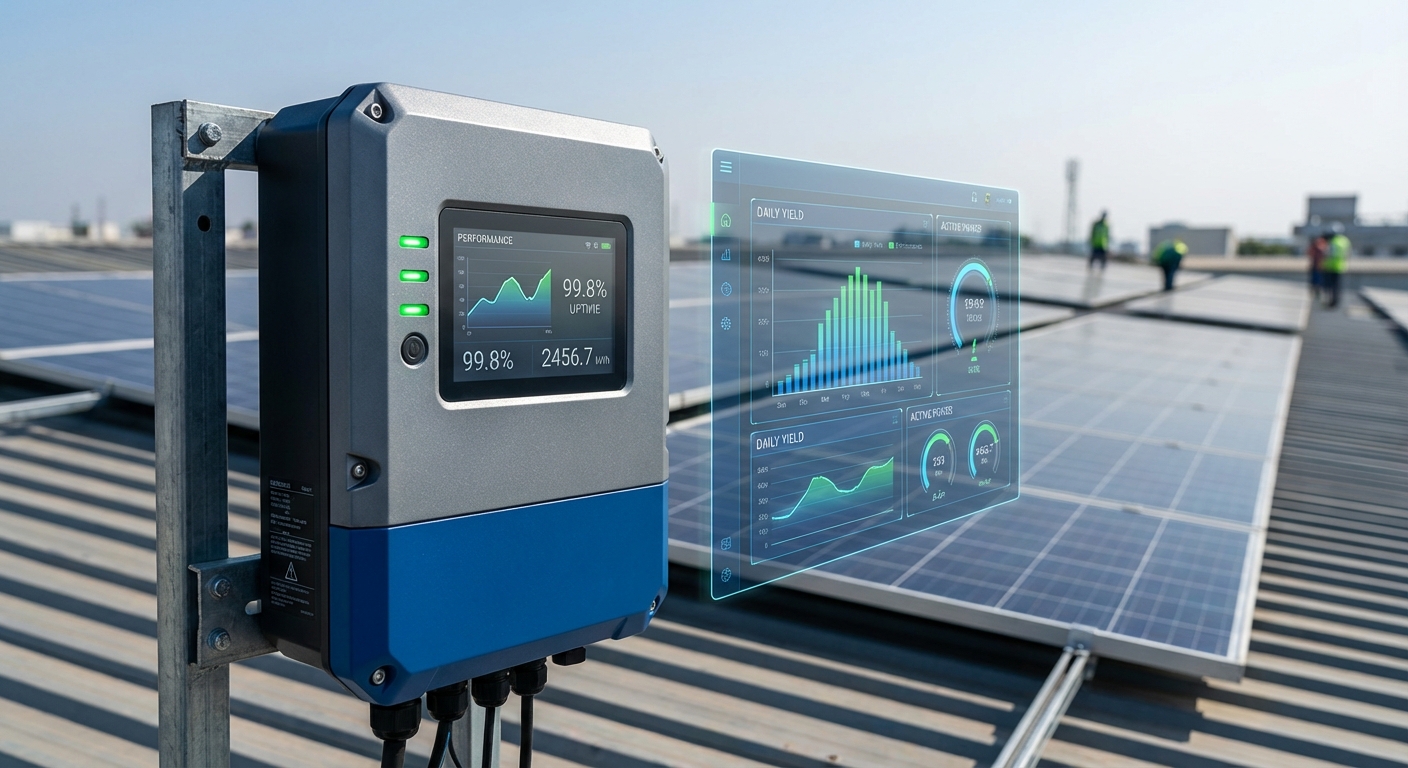
For solar installation companies, distributors, and facility owners across India, inverter downtime represents one of the most significant threats to solar investment returns. Every hour your solar inverter sits idle translates directly into lost revenue, diminished ROI, and frustrated stakeholders. In 2026, as India’s solar capacity continues its exponential growth, understanding how to minimize inverter downtime has become a critical competency for every professional in the solar value chain.
This comprehensive FAQ addresses the 15 most critical questions about solar inverter downtime, drawing on industry data, manufacturer insights, and real-world experience from thousands of installations across India. Whether you’re an EPC evaluating inverter brands, a distributor building your product portfolio, or a facility owner protecting your solar investment, this guide provides actionable strategies to maximize system uptime and safeguard your returns.
Understanding Solar Inverter Downtime in India’s Growing Solar Market
Solar inverter downtime refers to any period when your inverter fails to convert DC power from solar panels into usable AC electricity. This can range from brief interruptions lasting minutes to extended outages requiring component replacement or complete unit swap-out. In India’s challenging operating environment, characterized by extreme temperatures, voltage fluctuations, and monsoon conditions, inverter reliability becomes even more critical.
The financial impact of inverter downtime extends beyond immediate generation losses. For commercial and industrial installations, downtime affects energy cost savings, carbon reduction commitments, and long-term financial projections. For EPCs and distributors, inverter failures damage reputation, increase service costs, and strain client relationships. Understanding the causes, prevention strategies, and mitigation approaches for inverter downtime is essential for protecting solar investments in 2026.
This guide examines every dimension of inverter downtime, from component-level failure modes to system-wide monitoring strategies. We’ll explore how advanced features like AI-powered monitoring, German-grade components, and comprehensive warranty coverage work together to minimize downtime risk and maximize solar system performance.
1. What Are the Most Common Causes of Inverter Downtime?
Understanding the root causes of inverter downtime is the first step toward prevention. Based on field data from thousands of installations across India, the primary failure modes include:
Component degradation and failure tops the list of downtime causes. Capacitors, transformers, and switching components experience stress from heat, voltage fluctuations, and continuous operation. In India’s climate, where rooftop temperatures can exceed 70°C during summer months, component stress accelerates significantly. Inverters built with standard-grade components typically show higher failure rates compared to those using German-grade electronic components designed for extended temperature ranges.
Grid voltage fluctuations create substantial stress on inverter electronics. Many regions in India experience voltage swings of ±20% or more, forcing inverters to constantly adjust their operation. Inverters without wide input voltage ranges or robust surge protection devices (SPDs) face increased failure risk during grid instability events. This is particularly problematic in rural and semi-urban areas where grid quality remains inconsistent.
Environmental factors contribute significantly to inverter downtime in India. Dust accumulation blocks ventilation, causing overheating. Moisture ingress during monsoon seasons damages electronics. Corrosion from coastal salt air degrades connections. Inverters without adequate weather protection, such as IP66-rated enclosures, experience higher failure rates in harsh conditions.
Installation quality issues account for a surprising percentage of early-life failures. Improper cable sizing creates voltage drops and heat buildup. Inadequate ventilation clearances cause thermal shutdowns. Poor grounding increases lightning damage risk. These installation-related problems often manifest within the first year of operation, highlighting the importance of proper EPC training and installation protocols.
Lack of preventive maintenance allows small issues to escalate into major failures. Loose connections develop high resistance, generating heat. Firmware bugs remain unpatched, causing operational glitches. Cooling fans accumulate dust, reducing airflow. Regular maintenance catches these issues before they cause extended downtime.
2. How Much Revenue Loss Can Inverter Downtime Cause?
The financial impact of inverter downtime varies dramatically based on system size, electricity rates, and seasonal factors. For a typical 100 kW commercial installation in India, each day of complete inverter downtime during peak generation months (March-May) can result in losses of ₹2,000-₹3,500, depending on local irradiation and electricity tariffs.
Consider a commercial facility with a 500 kW solar installation designed to offset ₹15 lakh in annual electricity costs. If the inverter experiences just 2% downtime annually (approximately 7 days), the facility loses ₹30,000 in expected savings. More critically, this downtime extends the payback period by several months, reducing the overall inverter ROI over the system’s 25-year lifespan.
For EPCs and distributors, the costs extend beyond direct revenue loss. Service calls consume technician time and travel expenses. Warranty claims require administrative processing. Client dissatisfaction damages reputation and reduces referral business. A single problematic inverter installation can cost an EPC ₹50,000-₹1,00,000 in direct and indirect expenses when factoring in multiple service visits, replacement parts, and relationship management.
Seasonal variations amplify downtime impact. An inverter failure during monsoon season (when generation is already reduced) causes less revenue loss than a failure during peak summer months. However, monsoon failures often take longer to resolve due to access difficulties and weather-related service delays, extending the total downtime period.
The long-term financial implications compound over time. Repeated downtime events reduce investor confidence in solar technology. They complicate financial modeling for new projects. They increase insurance premiums and warranty costs across the industry. Minimizing inverter downtime isn’t just about protecting individual installations; it’s about maintaining the credibility and financial viability of solar energy as a whole.
3. What Is the Average Downtime for Different Inverter Brands in India?
Industry benchmarks for solar inverter downtime vary significantly based on component quality, design philosophy, and manufacturer support infrastructure. Leading inverter manufacturers in India typically target 99%+ uptime for their products, translating to less than 3.65 days of downtime annually. However, real-world performance often falls short of these targets, particularly for budget-oriented brands.
Premium inverter manufacturers achieve superior uptime through several mechanisms. They use higher-grade components with extended temperature ratings and longer expected lifespans. They implement rigorous quality testing protocols, with some manufacturers conducting 1000+ automated quality tests per unit before shipment. They maintain responsive service networks with readily available spare parts and trained technicians.
The correlation between warranty terms and actual reliability is instructive. Manufacturers offering 12-year full replacement warranties demonstrate confidence in their product longevity and low failure rates. These extended warranties aren’t just marketing tools; they reflect genuine engineering quality and component selection. Manufacturers offering only 5-year standard warranties often experience higher field failure rates, making extended warranty coverage financially risky for them.
When evaluating solar inverter manufacturers in India, EPCs and distributors should examine actual field performance data rather than relying solely on specifications. Request uptime statistics from existing installations. Talk to other EPCs about their service call frequency. Review warranty claim processing times and replacement policies. These real-world metrics reveal far more about inverter reliability than marketing materials.
Component quality directly correlates with downtime risk. Inverters built with German-grade electronic components, precision-engineered transformers, and industrial-grade capacitors demonstrate measurably lower failure rates compared to mass-market alternatives. The initial cost premium for quality components typically pays for itself within 2-3 years through reduced service costs and higher uptime.
4. How Can Real-Time Monitoring Reduce Inverter Downtime?
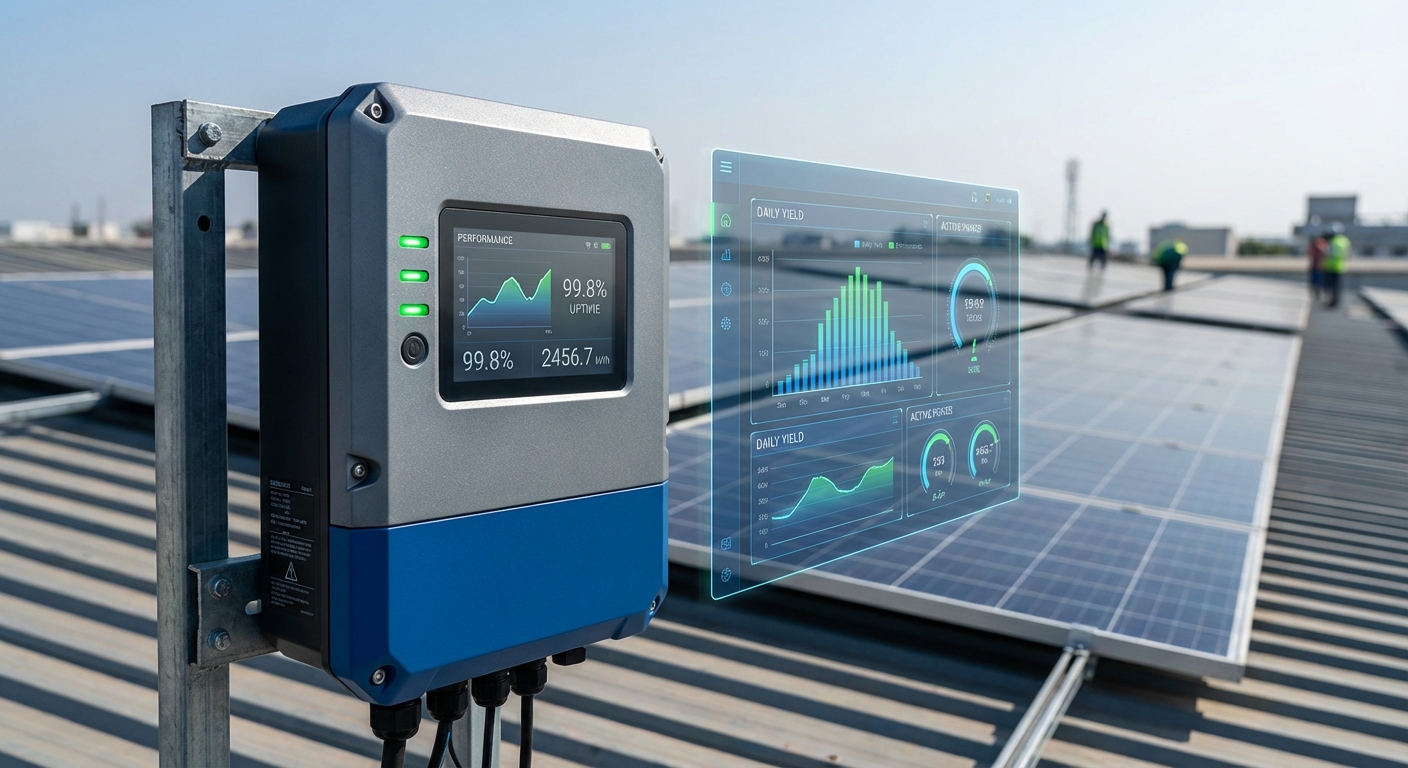
Real-time monitoring systems represent the most effective tool for minimizing inverter downtime in modern solar installations. Advanced monitoring platforms detect performance anomalies, predict component failures, and enable rapid response before minor issues escalate into extended outages.

Early warning systems identify problems before they cause complete inverter failure. By continuously analyzing parameters like efficiency trends, temperature patterns, and voltage characteristics, AI-powered monitoring can detect component degradation weeks or months before catastrophic failure. This predictive capability allows EPCs to schedule preventive maintenance during low-generation periods, avoiding unexpected downtime during peak production months.
Modern solar inverter monitoring systems in India leverage multiple connectivity options including Wi-Fi, 4G, and Bluetooth to ensure continuous data flow. This redundancy prevents monitoring gaps that could delay problem detection. When an issue occurs, instant notifications via WhatsApp, email, or SMS alert facility managers and service teams immediately, reducing response time from days to hours.
Remote diagnostics capabilities minimize the need for on-site visits. Technicians can access inverter parameters, review error logs, and often resolve issues through firmware updates or configuration changes without traveling to the installation site. This is particularly valuable for remote or rooftop installations where physical access is time-consuming and expensive. Remote troubleshooting can resolve 30-40% of inverter issues without site visits, dramatically reducing downtime duration.
For commercial and industrial installations with multiple inverters, centralized monitoring platforms provide fleet-level visibility. Facility managers can compare performance across inverters, identify underperforming units, and spot systemic issues affecting multiple devices. This system-wide perspective enables more strategic maintenance planning and resource allocation.
The integration of monitoring data with warranty systems streamlines claim processing. Digital warranty platforms can automatically log performance issues, document downtime events, and initiate warranty claims with complete supporting data. This reduces the administrative burden on EPCs and accelerates replacement or repair processes, minimizing total downtime duration.
5. What Preventive Maintenance Reduces Inverter Downtime?
Systematic preventive maintenance is essential for minimizing inverter downtime and extending equipment lifespan. A well-designed maintenance program catches developing issues before they cause failures, optimizes inverter performance, and validates warranty compliance.
Quarterly visual inspections should examine the inverter enclosure for physical damage, check ventilation openings for dust accumulation, verify LED indicator status, and look for signs of overheating or moisture ingress. These quick inspections take 15-20 minutes per inverter but can identify problems that would otherwise escalate into major failures.
Connection integrity checks prevent one of the most common failure modes. Thermal cycling causes terminal connections to loosen over time, creating high-resistance joints that generate heat and eventually fail. Semi-annual torque checks on DC and AC connections, performed according to manufacturer specifications, prevent this progressive failure mode. Pay particular attention to grounding connections, as poor grounding increases lightning damage risk.
Environmental protection maintenance is critical in India’s challenging climate. Clean ventilation openings and cooling fans quarterly to maintain proper airflow. In dusty environments, monthly cleaning may be necessary. Verify that weather seals remain intact, particularly before monsoon season. Check that drainage ports are clear to prevent moisture accumulation inside the enclosure.
Firmware and software updates address bugs, improve performance, and add features. Many inverter manufacturers release firmware updates 2-3 times annually. These updates often include fixes for issues that could cause operational problems or downtime. Establish a process for reviewing and applying firmware updates during scheduled maintenance windows, ensuring updates are tested on non-critical systems before widespread deployment.
Performance baseline documentation enables trend analysis. Record key parameters like efficiency, operating temperature, and generation patterns during each maintenance visit. Compare these metrics to baseline values and manufacturer specifications. Gradual degradation in efficiency or increasing operating temperatures often signal developing component issues that require attention before they cause failure.
For EPCs managing multiple installations, standardized maintenance checklists and digital documentation systems ensure consistency and create valuable historical records. These records prove invaluable when diagnosing recurring issues or processing warranty claims.
6. How Does Weather Protection Impact Inverter Downtime?
India’s diverse and often harsh climate conditions make weather protection a critical factor in preventing inverter downtime. From the intense heat of Rajasthan to the heavy monsoons of Kerala and the coastal salt air of Gujarat, inverters face environmental challenges that can dramatically shorten lifespan and increase failure rates without adequate protection.
IP rating significance cannot be overstated for Indian installations. The IP (Ingress Protection) rating indicates an enclosure’s resistance to dust and water. For rooftop installations exposed to weather, IP66 rating provides essential protection against dust ingress and powerful water jets from monsoon rains. Inverters with lower IP ratings (IP54 or IP65) experience higher failure rates in exposed locations, particularly during monsoon season when moisture ingress damages electronics.
Monsoon season challenges test inverter durability every year. Heavy rainfall, high humidity, and temperature fluctuations create multiple stress factors. Water ingress through inadequate seals causes short circuits and corrosion. Humidity condenses inside enclosures, damaging circuit boards. Lightning strikes during monsoon storms can destroy inadequately protected inverters. Inverters with comprehensive weather protection, including IP66 enclosures and integrated DC and AC surge protection devices, demonstrate significantly lower monsoon-related failure rates.
Heat management is equally critical, particularly in northern and central India where summer rooftop temperatures exceed 70°C. Inverters generate additional heat during operation, and inadequate cooling causes thermal shutdowns or accelerated component degradation. Effective heat management requires proper ventilation clearances (typically 30-50 cm on all sides), functioning cooling fans, and heat-dissipating enclosure designs. Inverters designed for wide operating temperature ranges (-25°C to +60°C ambient) maintain performance even in extreme conditions.
Coastal installation considerations add another layer of complexity. Salt-laden air accelerates corrosion of metal components, connections, and enclosures. Coastal installations require inverters with corrosion-resistant materials, conformal coating on circuit boards, and stainless steel mounting hardware. Regular cleaning of external surfaces removes salt deposits before they cause damage.
Dust accumulation affects inverters across India, particularly in northern states during summer months. Dust blocks ventilation openings, reducing cooling efficiency and causing overheating. It creates conductive paths on circuit boards, potentially causing short circuits. Regular cleaning and inverters designed with dust-resistant ventilation systems minimize these risks.
7. What Role Do Surge Protection Devices Play in Preventing Downtime?
Surge protection devices (SPDs) serve as the first line of defense against one of the most catastrophic causes of inverter downtime: voltage surges from lightning strikes and grid instabilities. In India, where lightning activity is significant during monsoon season and grid quality varies widely, integrated surge protection is essential for inverter longevity.
DC surge protection guards the inverter’s input stage against voltage spikes from the solar array. Lightning strikes near solar panels can induce massive voltage surges that travel through DC cables to the inverter. Without adequate DC SPDs, these surges destroy input stage components, causing complete inverter failure. Quality inverters integrate DC SPDs rated for the expected surge levels in Indian conditions, typically Type II SPDs with surge current capacity of 20-40 kA.
AC surge protection shields the inverter’s output stage and grid connection from utility-side voltage spikes. Grid switching operations, nearby lightning strikes, and power quality events can generate surges that damage inverter output electronics. Integrated AC SPDs prevent these surges from reaching sensitive components, protecting both the inverter and connected loads.
The importance of surge protection becomes clear when examining failure statistics. In regions with frequent lightning activity, inverters without integrated SPDs experience failure rates 3-5 times higher than properly protected units. A single lightning-related failure can cause weeks of downtime while replacement units are procured and installed, resulting in substantial revenue loss and customer dissatisfaction.
SPD maintenance and monitoring is often overlooked but critical. SPDs degrade with each surge event they suppress. After absorbing multiple surges, SPDs lose effectiveness and require replacement. Advanced inverters include SPD status monitoring, alerting users when surge protection has degraded and needs replacement. This proactive monitoring prevents the false sense of security that comes from having SPDs that are no longer functional.
When evaluating inverters, verify that both DC and AC surge protection are integrated, not optional add-ons. Integrated SPDs are properly coordinated with inverter electronics and covered under the inverter warranty. External SPDs, while better than nothing, often lack proper coordination and may not be covered under warranty claims for surge-related damage.
8. How Do Warranty Terms Address Inverter Downtime?
Warranty coverage directly impacts both the financial consequences and duration of inverter downtime. Understanding warranty terms, claim processes, and manufacturer responsiveness is essential for EPCs and facility owners seeking to minimize downtime risk and protect solar investments.
Full replacement versus repair warranties represent fundamentally different approaches to downtime management. Full replacement warranties commit the manufacturer to providing a new or refurbished unit when failures occur, typically with expedited shipping. This approach minimizes downtime to days rather than weeks. Repair warranties, by contrast, require shipping the failed unit to a service center, diagnosis, repair, and return shipping, often extending downtime to 2-4 weeks or more.
The warranty duration signals manufacturer confidence in product reliability. Standard 5-year warranties are common in the industry, but leading manufacturers offer 10-year or even 12-year full replacement warranties. These extended warranties aren’t just about coverage duration; they reflect the manufacturer’s confidence that their inverters will maintain reliability throughout the warranty period. Manufacturers offering 12-year warranties have typically invested in superior components, rigorous testing, and proven designs that justify the extended coverage.
Warranty claim processing time critically affects total downtime duration. Digital warranty systems that allow online claim submission with automated approval processes can reduce claim processing from weeks to days. Traditional paper-based warranty systems with manual review processes extend downtime significantly. When evaluating inverter manufacturers, investigate their warranty claim process, typical approval timeframes, and replacement unit shipping methods.
Warranty exclusions and conditions require careful review. Most warranties exclude damage from improper installation, inadequate maintenance, or operation outside specified parameters. Some warranties require registration within specific timeframes or regular maintenance documentation. Understanding these conditions prevents warranty claim rejections that leave facility owners responsible for replacement costs and extended downtime.
For EPCs and distributors, manufacturer warranty support quality affects business operations significantly. Responsive warranty support with clear processes and rapid replacement reduces service costs and client dissatisfaction. Poor warranty support forces EPCs to absorb costs or damage client relationships. When building your inverter portfolio, evaluate warranty support quality as carefully as product specifications.
9. What Is the Typical Response Time for Inverter Failures?
Response time, the period between failure detection and restoration of operation, determines the total duration of inverter downtime and its financial impact. Response time depends on multiple factors including monitoring systems, service network coverage, spare parts availability, and manufacturer support infrastructure.
Detection time represents the first component of response time. Installations with real-time monitoring and instant alerts detect failures within minutes. Systems without monitoring may not discover failures for days or weeks, particularly for installations without daily visual inspection. This detection delay can account for 50-80% of total downtime in poorly monitored installations.
Diagnosis time varies based on monitoring data availability and technician expertise. With comprehensive monitoring data and remote diagnostic capabilities, technicians can often diagnose issues within hours without site visits. Without monitoring data, diagnosis requires site visits, physical inspection, and testing, extending diagnosis time to days. Advanced monitoring systems that log error codes, performance trends, and operating parameters dramatically reduce diagnosis time.
Service network coverage affects physical response time for issues requiring on-site intervention. Manufacturers with extensive service networks across India can typically dispatch technicians within 24-48 hours in major cities, though response times in remote areas may extend to 3-5 days. Manufacturers with limited service infrastructure may require a week or more to arrange site visits, significantly extending downtime.
Spare parts availability often becomes the limiting factor in response time. Common replacement parts like fuses, contactors, or communication modules should be readily available through distributor networks or manufacturer warehouses. Specialized components may require weeks to procure, particularly if they must be imported. Manufacturers maintaining adequate spare parts inventory in India minimize this delay.
For warranty replacements, replacement unit availability and shipping determines response time. Manufacturers with Indian manufacturing facilities or substantial local inventory can ship replacement units within 2-3 days. Those relying on international shipments may require 2-3 weeks for replacement units to arrive, dramatically extending downtime and revenue loss.
EPCs can minimize response time by establishing relationships with responsive manufacturers, maintaining basic spare parts inventory for common issues, and implementing comprehensive monitoring systems that enable rapid detection and diagnosis. These investments in response capability pay for themselves through reduced downtime and improved client satisfaction.
10. How Does Component Quality Affect Long-Term Downtime Risk?
Component quality represents the foundation of inverter reliability and long-term inverter downtime risk. The electronic components inside an inverter determine its ability to withstand stress, maintain performance, and deliver years of reliable operation in India’s challenging conditions.
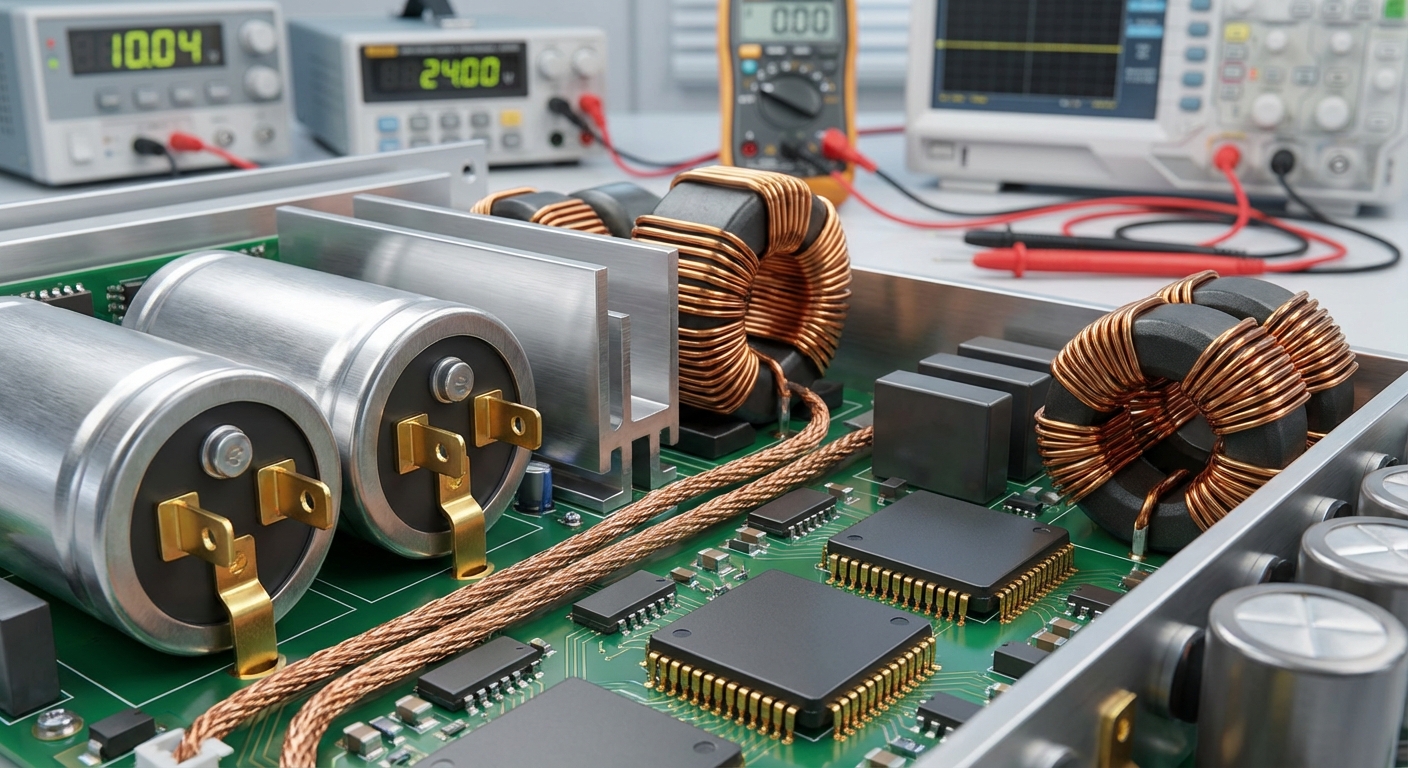
German-grade versus standard components differ fundamentally in design margins, temperature ratings, and expected lifespan. German-grade components are engineered with conservative ratings, meaning they operate well below their maximum specifications under normal conditions. This design margin provides resilience against stress from heat, voltage fluctuations, and aging. Standard components often operate closer to their maximum ratings, leaving less margin for stress and accelerating degradation.
Consider capacitors, one of the most failure-prone components in inverters. Standard electrolytic capacitors rated for 85°C operation degrade rapidly when exposed to the 60-70°C ambient temperatures common in Indian rooftop installations. German-grade capacitors rated for 105°C operation maintain stability and longevity even in extreme heat. This temperature margin can extend capacitor life from 5-7 years to 12-15 years, dramatically reducing mid-life failure risk.
Quality testing protocols validate component quality and assembly integrity. Leading manufacturers implement comprehensive testing regimes, with some conducting 1000+ automated quality tests on every inverter before shipment. These tests include burn-in testing (operating the inverter at elevated temperature and load for extended periods), voltage stress testing, thermal cycling, and functional verification. Such rigorous testing identifies infant mortality failures before shipment, ensuring that only reliable units reach installations.
Manufacturers using standard testing protocols (basic functional testing only) ship units with latent defects that manifest as early-life failures in the field. These early failures damage manufacturer reputation, increase warranty costs, and create downtime for facility owners. The correlation between testing rigor and field reliability is well-established across the electronics industry.
BIS and IEC certification provides baseline assurance of safety and performance standards. However, certification represents minimum requirements, not excellence. When evaluating inverters, look beyond certification to examine actual component specifications, testing protocols, and field performance data. Manufacturers transparent about their component sourcing and testing processes demonstrate confidence in their quality.
The solar inverter lifespan directly correlates with component quality. Inverters built with premium components and rigorous testing typically deliver 12-15 years of reliable operation, while budget inverters often require replacement after 7-10 years. This longevity difference affects total cost of ownership, ROI calculations, and lifetime downtime risk.
11. Can Inverter Oversizing Reduce Downtime Risk?
Inverter oversizing, the practice of connecting more DC panel capacity than the inverter’s rated AC output, offers multiple benefits including reduced stress and potentially lower inverter downtime risk. Understanding optimal oversizing ratios and their impact on reliability helps EPCs design more resilient solar installations.
Operating below maximum capacity reduces component stress and heat generation. When an inverter operates at 70-80% of its rated capacity during typical conditions, internal components experience lower current stress, generate less heat, and age more slowly. This reduced stress translates to longer component life and lower failure probability. Inverters supporting 100% DC oversizing capability (2:1 DC to AC ratio) can operate at reduced stress levels throughout most of the day, even during peak generation periods.
Heat generation and component longevity are intimately linked. Every 10°C increase in operating temperature roughly doubles the degradation rate of electronic components. By operating inverters below their maximum capacity, internal temperatures remain lower, slowing component aging. This thermal benefit is particularly valuable in India’s hot climate where ambient temperatures already stress cooling systems.
However, oversizing must be balanced against efficiency considerations. Inverters operate most efficiently near their rated capacity. Excessive oversizing (beyond manufacturer recommendations) can reduce overall system efficiency and generation. Most manufacturers recommend DC oversizing ratios of 1.2:1 to 1.3:1 for optimal balance between efficiency and component stress. Some advanced inverters support up to 2:1 oversizing, providing flexibility for installations prioritizing reliability over maximum efficiency.
Clipping losses versus reliability benefits require evaluation for each installation. In locations with high irradiation and frequent peak generation conditions, aggressive oversizing causes clipping (the inverter limiting output because DC input exceeds its capacity). This clipping represents lost generation. However, for installations prioritizing uptime and longevity over maximum generation, the reliability benefits of reduced component stress may justify modest clipping losses.
When designing systems for maximum reliability and minimum downtime risk, consider moderate oversizing (1.2-1.3:1) as part of a comprehensive reliability strategy that includes quality components, proper installation, and proactive monitoring. The combination of these factors delivers superior uptime compared to any single approach.
12. What Are the Warning Signs Before Inverter Downtime Occurs?
Recognizing early warning signs of impending inverter downtime enables proactive intervention before complete failure occurs. Modern monitoring systems and regular inspections can detect these indicators, allowing EPCs to schedule maintenance during low-generation periods and avoid unexpected outages.
Efficiency degradation patterns often signal developing component issues. A gradual decline in conversion efficiency over weeks or months indicates component aging or developing faults. While some efficiency loss is normal over years of operation, sudden or accelerated degradation warrants investigation. Compare current efficiency to baseline values and manufacturer specifications. Efficiency drops of 2-3% or more from baseline suggest problems requiring attention.
Error codes and fault messages provide explicit warnings of problems. Modern inverters log hundreds of potential fault conditions, from minor communication errors to critical component failures. Regular review of error logs reveals patterns that predict failures. For example, intermittent overvoltage errors may indicate developing grid connection issues. Repeated thermal warnings suggest cooling system problems or inadequate ventilation. Don’t ignore error codes, even if the inverter continues operating; they often precede complete failures.
Temperature anomalies indicate cooling problems or component stress. Inverters operating consistently hotter than baseline temperatures may have blocked ventilation, failing cooling fans, or degrading components generating excess heat. Thermal imaging during inspections can identify hot spots indicating specific component problems. Addressing temperature issues before they cause thermal shutdowns or component failure prevents extended downtime.
Communication failures and monitoring gaps sometimes signal developing problems beyond just connectivity issues. Intermittent loss of monitoring communication can indicate power supply problems, failing communication modules, or electrical noise from degrading components. While communication issues don’t directly affect power conversion, they often correlate with other developing problems and prevent early detection of more serious issues.
Unusual sounds or vibrations during operation warrant investigation. Buzzing, humming, or clicking sounds different from normal operation may indicate loose components, failing contactors, or transformer issues. While some operational noise is normal, changes in sound patterns often precede failures.
Establishing baseline performance metrics during commissioning and regular monitoring enables early detection of these warning signs. EPCs should implement systematic review processes for monitoring data, error logs, and inspection findings to catch developing issues before they cause unexpected downtime.
13. How Do Grid Conditions in India Contribute to Inverter Downtime?
India’s electrical grid presents unique challenges that significantly impact inverter downtime risk. Understanding these grid-related stress factors helps EPCs select appropriate inverters and implement protective measures to minimize failure risk.
Voltage fluctuation challenges vary dramatically across India. While urban areas with robust grid infrastructure typically maintain voltage within ±10% of nominal, rural and semi-urban areas often experience fluctuations of ±20% or more. These voltage swings force inverters to constantly adjust their operation, stressing power electronics and control systems. Inverters without wide input voltage ranges (typically 140-270V for single-phase, 300-460V for three-phase) may shut down during voltage excursions, causing generation loss and repeated start-stop cycles that accelerate component wear.
Frequency variations, while less common than voltage fluctuations, create additional stress. The Indian grid nominally operates at 50 Hz, but frequency can vary by ±0.5 Hz or more during grid instability events. Inverters must track these frequency variations to maintain synchronization. Repeated frequency excursions stress inverter control systems and can cause nuisance shutdowns if the inverter’s frequency tolerance is too narrow.
Grid outages and reconnection stress affect inverter longevity in ways often overlooked. When grid power fails, on-grid inverters must shut down for safety (anti-islanding protection). When grid power returns, the inverter must detect stable grid conditions and reconnect. This start-stop cycling, particularly if it occurs multiple times daily in areas with unreliable grid power, accelerates component wear. Inverters designed for frequent cycling with robust reconnection algorithms experience less stress from this operational pattern.
The importance of wide input voltage range cannot be overstated for Indian installations. Inverters supporting wide voltage ranges continue operating during grid fluctuations that would shut down narrow-range inverters. This operational continuity not only maximizes generation but also reduces start-stop cycling that stresses components. When evaluating inverters for installations in areas with known grid quality issues, prioritize models with the widest voltage and frequency tolerance ranges.
Harmonic distortion from the grid and other connected loads can affect inverter operation and longevity. High levels of harmonic distortion stress inverter output filters and control systems. While less common than voltage fluctuations, harmonic issues in industrial areas with large motor loads or other power electronics can contribute to inverter problems. Inverters with robust output filtering and harmonic tolerance specifications perform better in these challenging environments.
14. What Is the Impact of Installation Quality on Inverter Downtime?
Installation quality profoundly affects inverter downtime risk throughout the system’s operational life. Poor installation practices create stress factors that accelerate component degradation and increase failure probability, while proper installation establishes the foundation for reliable long-term operation.
Proper ventilation and heat dissipation rank among the most critical installation factors. Inverters generate significant heat during operation, and this heat must be dissipated to prevent component degradation. Manufacturers specify minimum clearance requirements (typically 30-50 cm on all sides) to ensure adequate airflow. Installations that ignore these clearances, placing inverters in enclosed spaces or mounting them too close to walls, experience elevated operating temperatures that accelerate component aging and increase failure risk.
Location selection affects thermal performance dramatically. Inverters mounted in direct sunlight experience higher enclosure temperatures than those in shaded locations. South-facing walls receive more solar heating than north-facing walls. Indoor installations in ventilated electrical rooms typically operate cooler than outdoor rooftop installations. When site constraints limit location options, EPCs should select inverters designed for the expected thermal environment, with appropriate temperature ratings and cooling capabilities.
Cable sizing and connection quality directly impact inverter reliability. Undersized DC cables create voltage drops that reduce system efficiency and generate heat at connections. Undersized AC cables similarly cause losses and heating. Both scenarios stress the inverter and create fire hazards. Proper cable sizing according to current capacity, voltage drop limits, and temperature derating ensures safe, efficient operation. All connections must be torqued to manufacturer specifications and verified during commissioning and periodic maintenance.
Grounding and earthing requirements protect against lightning damage and electrical faults. Proper grounding provides a low-resistance path for fault currents and lightning-induced surges, protecting inverter electronics. Poor grounding increases the risk of surge damage, electrical shock hazards, and equipment failure. Indian electrical codes and inverter manufacturer specifications detail grounding requirements; strict adherence to these requirements is non-negotiable for reliable operation.
The correlation between installation quality and warranty claims is striking. Manufacturers report that 30-40% of early-life warranty claims result from installation issues rather than product defects. Loose connections, inadequate ventilation, improper grounding, and cable sizing errors create problems that manifest as inverter failures. EPCs investing in proper installation training, quality control processes, and commissioning verification dramatically reduce these preventable failures.
When evaluating solar inverter selection criteria, consider the manufacturer’s installation support resources. Comprehensive installation manuals, training programs, and technical support help EPCs avoid installation errors that lead to downtime. Manufacturers providing robust installation support demonstrate commitment to long-term system reliability.
15. How Can EPCs and Distributors Minimize Downtime for Their Clients?
For EPCs and distributors, minimizing client inverter downtime requires a comprehensive approach spanning manufacturer selection, installation quality, monitoring implementation, and proactive service. Success in this area differentiates leading solar professionals from competitors and builds long-term client relationships.
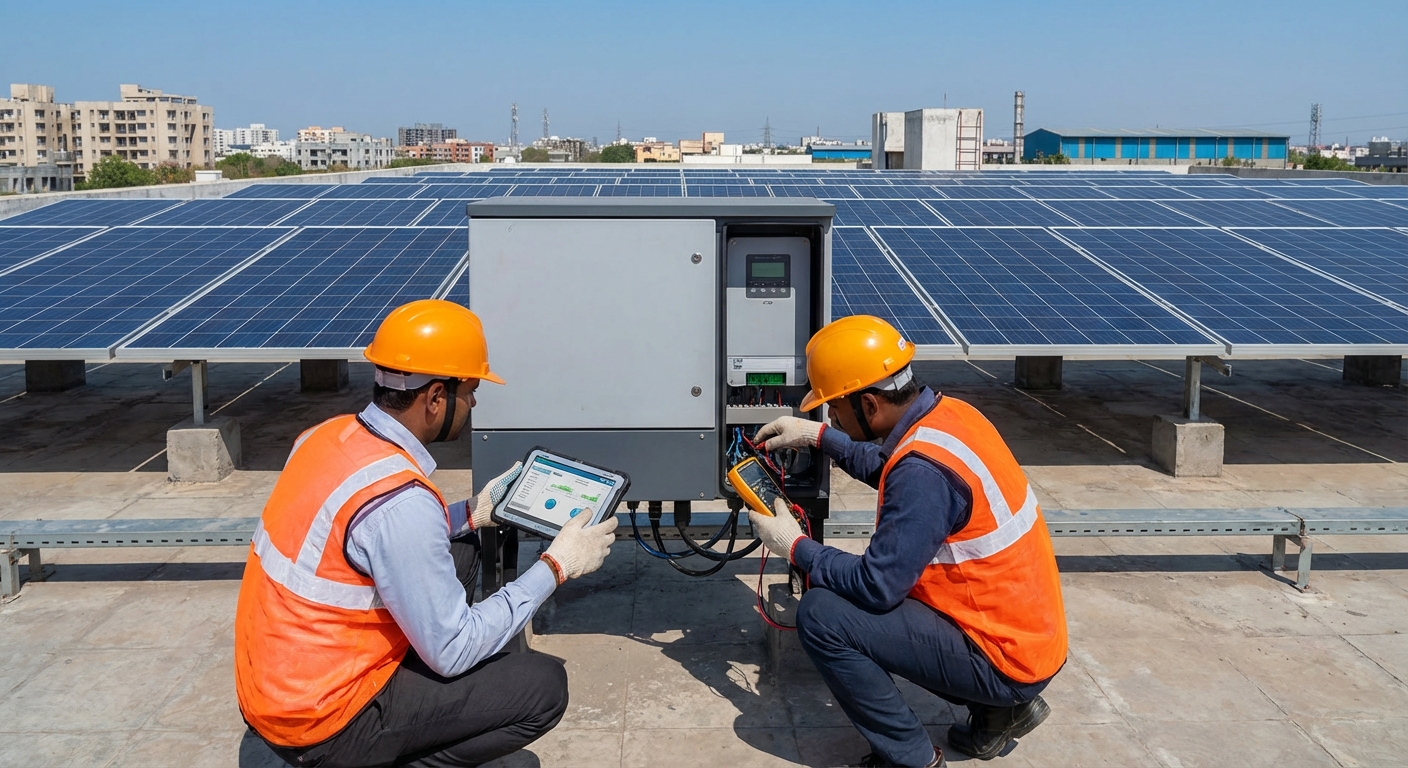
Selecting reliable inverter manufacturers represents the foundation of downtime minimization. Prioritize manufacturers with proven track records, comprehensive warranties, responsive support, and quality components. Evaluate field performance data from existing installations rather than relying solely on specifications. Consider the manufacturer’s service network coverage, spare parts availability, and warranty claim processing efficiency. The cheapest inverter rarely delivers the lowest total cost of ownership when downtime and service costs are factored in.
When building your inverter portfolio, balance cost considerations against reliability requirements. For price-sensitive residential installations, mid-tier inverters with solid warranties may be appropriate. For commercial installations where downtime has significant financial impact, premium inverters with extended warranties, superior components, and proven reliability justify their cost premium. Match inverter selection to client priorities and installation requirements.
Proper installation training and certification prevents the installation errors that cause 30-40% of early-life failures. Invest in training programs from inverter manufacturers. Develop standardized installation procedures and quality control checklists. Implement peer review processes where experienced technicians verify critical installations. Document installation quality through photos and commissioning reports. These quality assurance processes prevent problems and provide valuable documentation for warranty claims if issues arise.
Establishing monitoring protocols enables early problem detection and rapid response. Implement monitoring systems on all commercial installations and recommend them for residential installations. Configure alert thresholds to notify your service team of performance issues, not just complete failures. Establish processes for regular monitoring data review to catch developing problems before they cause downtime. Proactive monitoring transforms your service model from reactive firefighting to preventive maintenance.
Proactive maintenance contracts provide recurring revenue while minimizing client downtime. Offer annual or quarterly maintenance packages that include inspections, cleaning, connection checks, and performance verification. These regular touchpoints catch developing issues, maintain warranty compliance, and demonstrate ongoing value to clients. Maintenance contracts also provide opportunities to identify system expansion or upgrade opportunities.
Building relationships with responsive manufacturers accelerates problem resolution when issues occur. Establish direct contacts with manufacturer technical support teams. Understand their warranty processes and claim requirements. Maintain open communication channels for rapid escalation of critical issues. Manufacturers value EPCs who provide quality installations and professional service; these relationships often result in priority support when problems arise.
For distributors, supporting your EPC partners with technical training, installation support, and rapid parts availability minimizes their clients’ downtime and strengthens your channel relationships. Distributors who provide value beyond product supply build loyal partner networks and differentiate themselves in competitive markets.
Protecting Your Solar Investment from Inverter Downtime
Minimizing inverter downtime requires a comprehensive approach that addresses component quality, installation practices, monitoring systems, maintenance protocols, and manufacturer support. No single factor ensures perfect reliability, but the combination of quality components, proper installation, proactive monitoring, and responsive support delivers the uptime performance that protects solar investments and maximizes ROI.
For EPCs and distributors, inverter selection represents one of the most consequential decisions affecting long-term client satisfaction and business success. Prioritizing reliability over initial cost, implementing quality installation practices, and establishing proactive monitoring and maintenance protocols differentiates professional solar businesses from competitors focused solely on project volume.
For facility owners, understanding the factors that affect inverter downtime enables informed decision-making during system design and vendor selection. Insist on quality components, comprehensive warranties, and monitoring systems. Verify that your EPC follows proper installation practices and offers ongoing maintenance support. These investments in reliability pay dividends through higher uptime, lower operating costs, and better ROI over your system’s 25-year lifespan.
As India’s solar market continues its rapid growth in 2026, the industry’s maturation brings increased focus on system reliability and long-term performance. Inverter manufacturers investing in quality components, rigorous testing, and comprehensive support infrastructure will lead this evolution. EPCs and distributors partnering with these quality-focused manufacturers position themselves for long-term success in an increasingly sophisticated market.
Qbits Energy exemplifies this quality-focused approach with German-grade electronic components, 1000+ automated quality tests per unit, 12-year full replacement warranties, and AI-powered WhatsApp monitoring systems designed specifically for Indian conditions. Our IP66 weather protection, integrated DC and AC surge protection, and wide input voltage ranges address the specific challenges that cause inverter downtime in India’s demanding environment.
Whether you’re an EPC seeking reliable inverters for your next commercial installation, a distributor building a quality product portfolio, or a facility owner protecting your solar investment, understanding and minimizing inverter downtime is essential for solar success. Take the first step toward maximum uptime and ROI protection by partnering with manufacturers who prioritize reliability, support, and long-term performance. Contact our team today to discuss how Qbits inverters can deliver the reliability your installations demand, or explore our complete product range engineered to minimize downtime and maximize solar performance across India’s diverse operating conditions.
This blog post was written using thestacc.com