



Solar Inverter Regulations India 2026: BIS/IEC Compliance

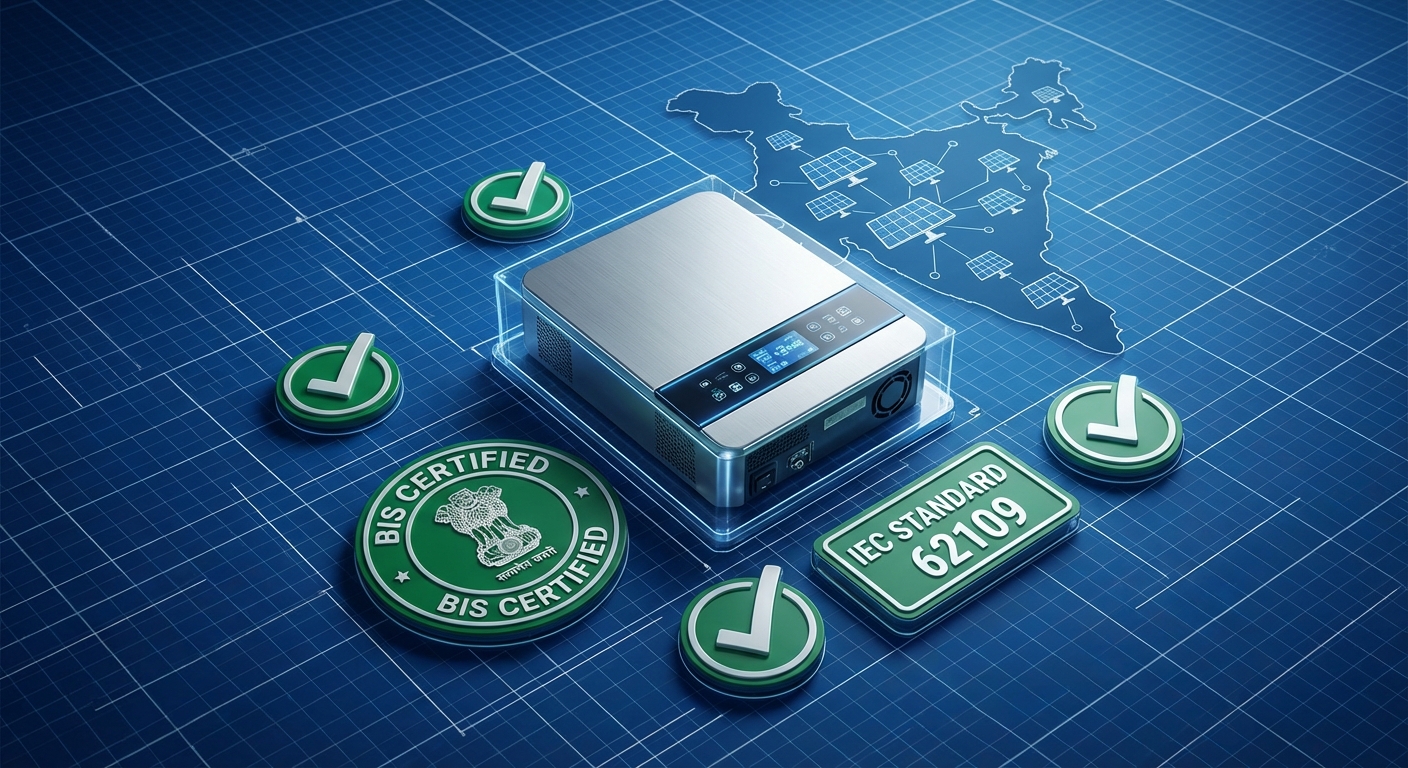
Navigating the complex regulatory environment for solar inverters in India has become increasingly critical for EPCs, distributors, and solar installation companies in 2026. With stricter enforcement of inverter regulations India mandates, understanding BIS certification, IEC standards, and MNRE guidelines is no longer optional—it’s essential for business continuity and market access. Non-compliant inverters face rejection at installation sites, subsidy disqualification, and potential legal penalties that can severely impact your project timelines and profitability.
This comprehensive guide walks you through every aspect of solar inverter compliance in India, from mandatory BIS certification processes to state-specific variations that affect your operations. Whether you’re sourcing inverters for residential rooftops or large-scale commercial installations, this article provides the technical knowledge and practical insights you need to ensure full regulatory compliance across all Indian markets in 2026.
Understanding the Regulatory Landscape for Solar Inverters in India
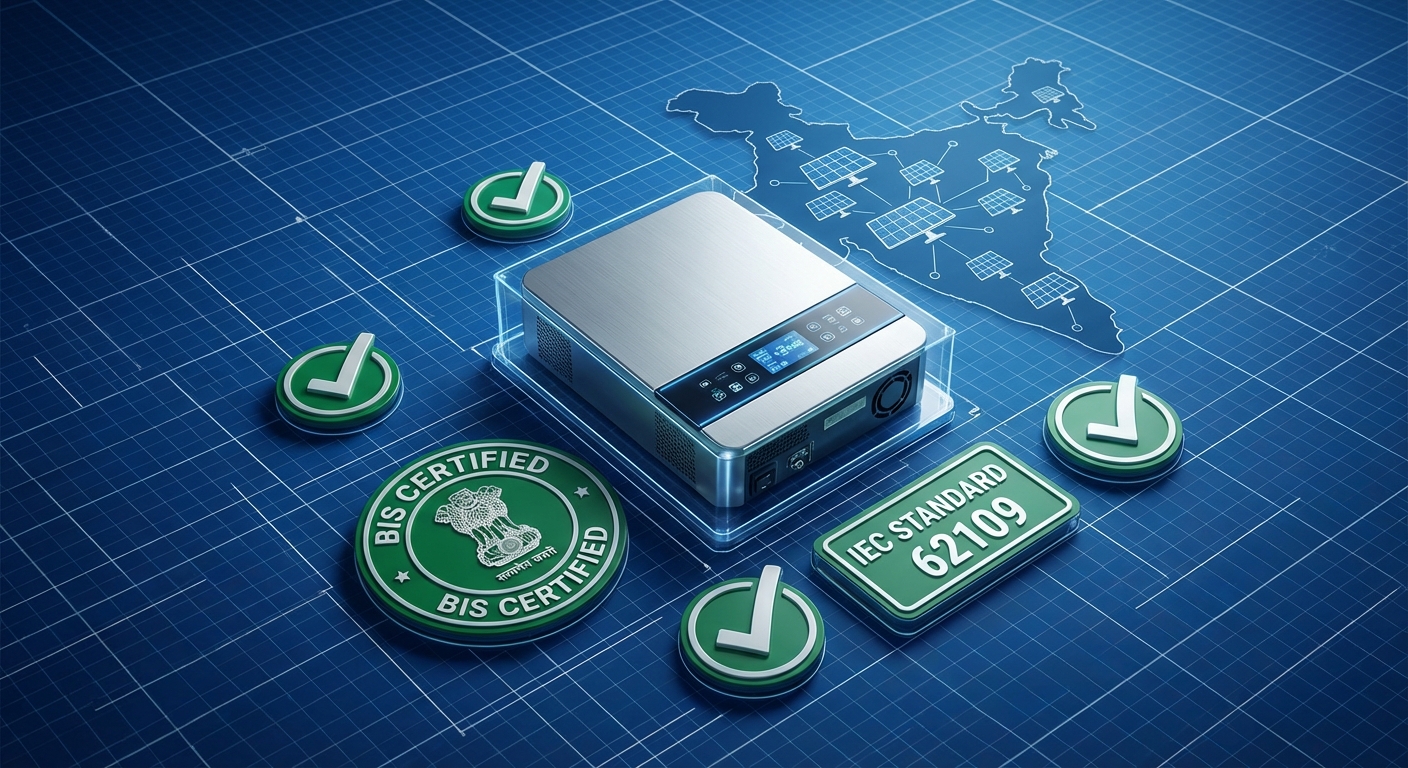
The regulatory framework governing inverter regulations India involves multiple agencies working in coordination to ensure safety, performance, and grid stability. The Bureau of Indian Standards (BIS) serves as the primary certification authority, while the Ministry of New and Renewable Energy (MNRE) sets technical specifications and subsidy eligibility criteria. The Central Electricity Authority (CEA) establishes grid connectivity standards, and state nodal agencies implement local compliance requirements.
In 2026, the regulatory landscape has evolved significantly from previous years. The government has tightened enforcement mechanisms, making BIS certification mandatory for all solar inverters sold or installed in India. This shift followed incidents of grid instability and safety concerns linked to non-compliant equipment. For EPCs and distributors, this means every inverter in your supply chain must carry valid BIS certification before installation.
The key regulatory bodies you need to understand include:
- Bureau of Indian Standards (BIS): Manages mandatory certification under IS 16221 standards for grid-connected solar inverters
- Ministry of New and Renewable Energy (MNRE): Issues technical specifications, approved model lists, and subsidy guidelines
- Central Electricity Authority (CEA): Establishes grid connectivity norms and safety regulations
- State Nodal Agencies: Implement state-specific requirements and maintain approved vendor lists
- Distribution Companies (DISCOMs): Enforce technical specifications for grid interconnection in their service areas
Why does compliance matter so critically for your business? First, non-compliant inverters are rejected during inspection, causing project delays and financial losses. Second, subsidy claims under MNRE schemes require equipment from approved model lists, which only include BIS-certified products. Third, warranty claims and insurance coverage may be void if non-certified equipment is installed. Finally, penalties for installing non-compliant equipment can reach up to 10 times the equipment value under consumer protection laws.
Recent regulatory updates in 2026 have introduced stricter documentation requirements and enhanced traceability systems. Manufacturers must now maintain digital records of all quality tests, and EPCs must submit compliance certificates before commissioning. The government has also launched a unified portal for verification, making it easier to check certification status but also increasing transparency and accountability across the supply chain.
BIS Certification Requirements for Solar Inverters
BIS certification under IS 16221 Part 2 standards is the cornerstone of inverter regulations India compliance. This mandatory certification applies to all grid-connected solar inverters, including on-grid and hybrid models, regardless of capacity. The standard covers safety requirements, performance parameters, and testing protocols that ensure inverters meet minimum quality benchmarks for the Indian market.
The BIS certification process involves several distinct stages. First, manufacturers must apply through the BIS online portal with detailed technical documentation including design specifications, component lists, and manufacturing process descriptions. Second, BIS-approved testing laboratories conduct comprehensive tests on sample units covering electrical safety, performance efficiency, environmental durability, and electromagnetic compatibility. Third, BIS inspectors conduct factory audits to verify manufacturing capabilities and quality control systems. Finally, upon successful completion, BIS issues a license valid for one year, renewable annually with surveillance audits.
Key documentation requirements for BIS certification include:
- Detailed technical specifications and circuit diagrams
- Bill of materials with component certifications
- Manufacturing process flow charts and quality control procedures
- Test reports from BIS-recognized laboratories (NABL accredited)
- Factory layout and production capacity details
- ISO 9001 quality management system certification
- Declaration of conformity for all critical components
The testing protocols under IS 16221 are rigorous and comprehensive. Inverters must pass electrical safety tests including insulation resistance, dielectric strength, and protection against electric shock. Performance tests verify efficiency curves, maximum power point tracking accuracy, and power quality parameters. Environmental tests subject units to extreme temperatures, humidity, and dust exposure to validate IP ratings. EMC tests ensure the inverter doesn’t interfere with other electronic equipment and can withstand electrical disturbances.
BIS marking and labeling requirements are strictly enforced. Every certified inverter must display the BIS standard mark (ISI mark) prominently on the product nameplate along with the license number and manufacturer details. The marking must be permanent, legible, and tamper-proof. Packaging must also carry BIS certification information, and user manuals must include compliance declarations.
The certification timeline typically ranges from 6 to 12 months for new applicants, depending on documentation completeness and test results. Manufacturers should budget for testing fees (approximately ₹2-5 lakhs depending on inverter capacity), license fees, and annual surveillance audit costs. For EPCs and distributors sourcing inverters, always verify current BIS certification status through the official BIS portal before procurement, as licenses can lapse if not renewed.
When evaluating solar inverter manufacturers in India, BIS certification should be your first checkpoint. Reputable manufacturers like Qbits maintain current BIS certification across their entire product range, with transparent documentation available for verification. This certification, combined with rigorous quality testing protocols, ensures compliance with all inverter regulations India mandates.
IEC Standards Compliance for Inverter Regulations India
International Electrotechnical Commission (IEC) standards form the technical foundation for inverter regulations India, with Indian standards largely harmonized with IEC specifications. The two primary IEC standards applicable to solar inverters are IEC 62109 for safety requirements and IEC 61683 for performance testing procedures. Understanding these standards helps EPCs evaluate inverter quality beyond basic BIS compliance.
IEC 62109 consists of two parts that address different safety aspects. IEC 62109-1 covers general safety requirements applicable to all power converters used in photovoltaic systems, including protection against electric shock, fire hazards, and mechanical dangers. IEC 62109-2 provides specific requirements for inverters, addressing DC and AC side protection, isolation requirements, and fault condition behavior. These standards ensure inverters can safely handle abnormal operating conditions without posing risks to personnel or property.
Key safety requirements under IEC 62109 include:
- Electrical isolation: Minimum insulation resistance between DC input, AC output, and chassis ground
- Overcurrent protection: Automatic disconnection during short circuits or overload conditions
- Ground fault detection: Monitoring and protection against insulation failures
- Arc fault detection: Advanced models must detect and interrupt dangerous arcing conditions
- Temperature management: Thermal protection to prevent component damage and fire risks
- Surge protection: Built-in SPDs for both DC and AC sides meeting specified energy ratings
IEC 61683 establishes performance testing procedures and efficiency measurement protocols. This standard defines how to measure and report inverter efficiency, including European efficiency (weighted average across different load levels) and maximum efficiency. It also specifies testing conditions, measurement accuracy requirements, and reporting formats. For EPCs, understanding these testing protocols helps you interpret manufacturer datasheets accurately and compare products objectively.
Electromagnetic Compatibility (EMC) requirements under IEC 61000 series standards are increasingly important for inverter regulations India compliance. Inverters must not generate electromagnetic interference that disrupts other equipment (emission limits) and must withstand electromagnetic disturbances from external sources (immunity requirements). These standards become critical in commercial installations with sensitive electronic equipment or in areas with poor power quality.
The relationship between IEC and BIS standards is one of harmonization with localization. Indian Standard IS 16221 is based on IEC 62109 but includes additional requirements specific to Indian grid conditions, such as wider voltage and frequency tolerance ranges. While IEC certification from international test labs is valuable, it doesn’t replace mandatory BIS certification for the Indian market. However, IEC test reports can expedite BIS certification by reducing redundant testing.
For EPCs working on projects with international financing or export components, IEC certification provides additional credibility. Many development banks and international investors require IEC compliance as part of their due diligence. Manufacturers like Qbits that design products to meet both IEC and BIS standards offer greater flexibility for projects with diverse compliance requirements, ensuring your installations meet the highest international benchmarks while satisfying local inverter regulations India mandates.
MNRE Guidelines and Grid Connectivity Norms
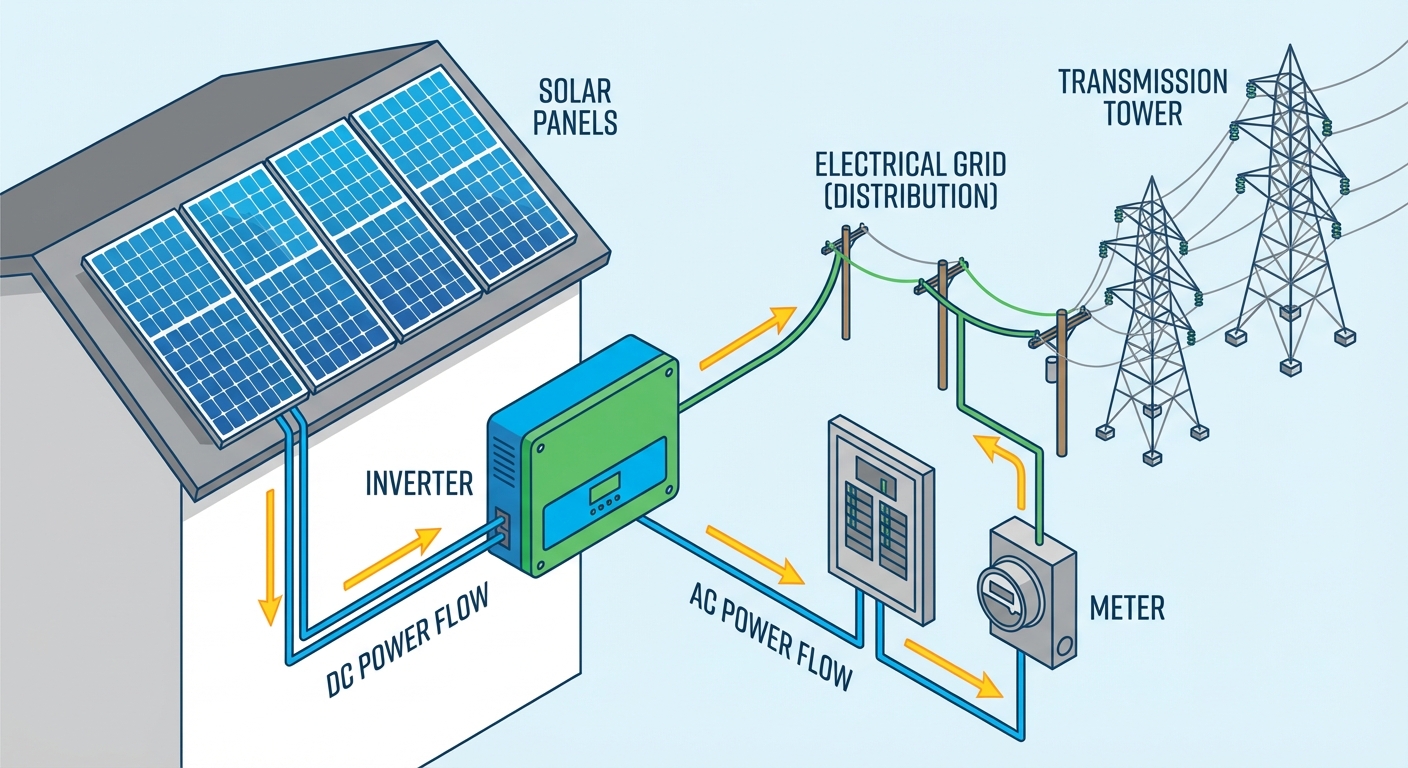
The Ministry of New and Renewable Energy (MNRE) technical specifications define the performance baseline for all grid-connected solar inverters eligible for government subsidies and incentives. These guidelines go beyond basic safety certification to establish minimum efficiency standards, grid support functions, and operational parameters that ensure reliable integration with India’s electrical grid. For EPCs pursuing subsidy-linked projects, MNRE compliance is absolutely mandatory.
MNRE’s latest technical specifications for 2026 mandate several critical requirements for inverter regulations India compliance. Grid-connected inverters must achieve minimum weighted efficiency of 96% for capacity below 10 kW and 97% for larger units. They must support reactive power control for power factor adjustment between 0.9 leading and 0.9 lagging. Advanced communication capabilities including remote monitoring and control are now mandatory for all commercial installations above 10 kW capacity.
Grid connectivity standards established by the Central Electricity Authority (CEA) work in tandem with MNRE guidelines. The CEA’s Technical Standards for Connectivity to the Grid specify voltage and frequency operating ranges, power quality requirements, and protection system specifications. These standards ensure solar inverters can safely connect to the grid without causing instability or power quality issues that affect other consumers.
Anti-islanding protection is a critical safety requirement under both MNRE and CEA regulations. Inverters must detect grid disconnection within 2 seconds and cease power export to prevent dangerous islanding conditions where the solar system continues energizing a section of the grid during maintenance. This protection uses multiple detection methods including voltage and frequency monitoring, rate of change measurements, and active detection algorithms. EPCs must verify anti-islanding functionality during commissioning and document test results.
Voltage and frequency ride-through capabilities have become mandatory under updated inverter regulations India guidelines. Inverters must remain connected and continue operating during minor grid disturbances rather than immediately disconnecting. Low Voltage Ride Through (LVRT) requires inverters to stay connected when voltage drops to 85% of nominal for up to 3 seconds. High Voltage Ride Through (HVRT) and frequency ride-through requirements ensure grid stability during transient events. These capabilities are particularly important for large commercial installations that can impact grid stability.
Power quality standards limit harmonic distortion and DC injection to protect grid infrastructure and other connected equipment. Total Harmonic Distortion (THD) must remain below 5% at rated power, with individual harmonic limits specified for different frequency components. DC current injection into the grid must not exceed 0.5% of rated output current to prevent transformer saturation and equipment damage. Modern inverters use advanced filtering and control algorithms to meet these stringent requirements.
Net metering and gross metering compliance requirements vary by state but follow MNRE’s model guidelines. For net metering installations, inverters must support bidirectional energy measurement and synchronization with utility meters. They must automatically disconnect during grid outages (unless configured as hybrid systems with backup capability) and reconnect only after grid parameters stabilize within acceptable ranges for at least 5 minutes. Understanding these requirements is essential when selecting appropriate inverter configurations for different project types.
The monitoring systems required under MNRE guidelines must provide real-time data on energy generation, grid parameters, and system status. For commercial installations, data must be accessible remotely and archived for at least 5 years. Qbits inverters feature AI-powered WhatsApp monitoring that exceeds these requirements, providing instant alerts and comprehensive performance data through familiar communication channels, making compliance documentation effortless for EPCs.
State-Specific Inverter Regulations and Compliance Variations
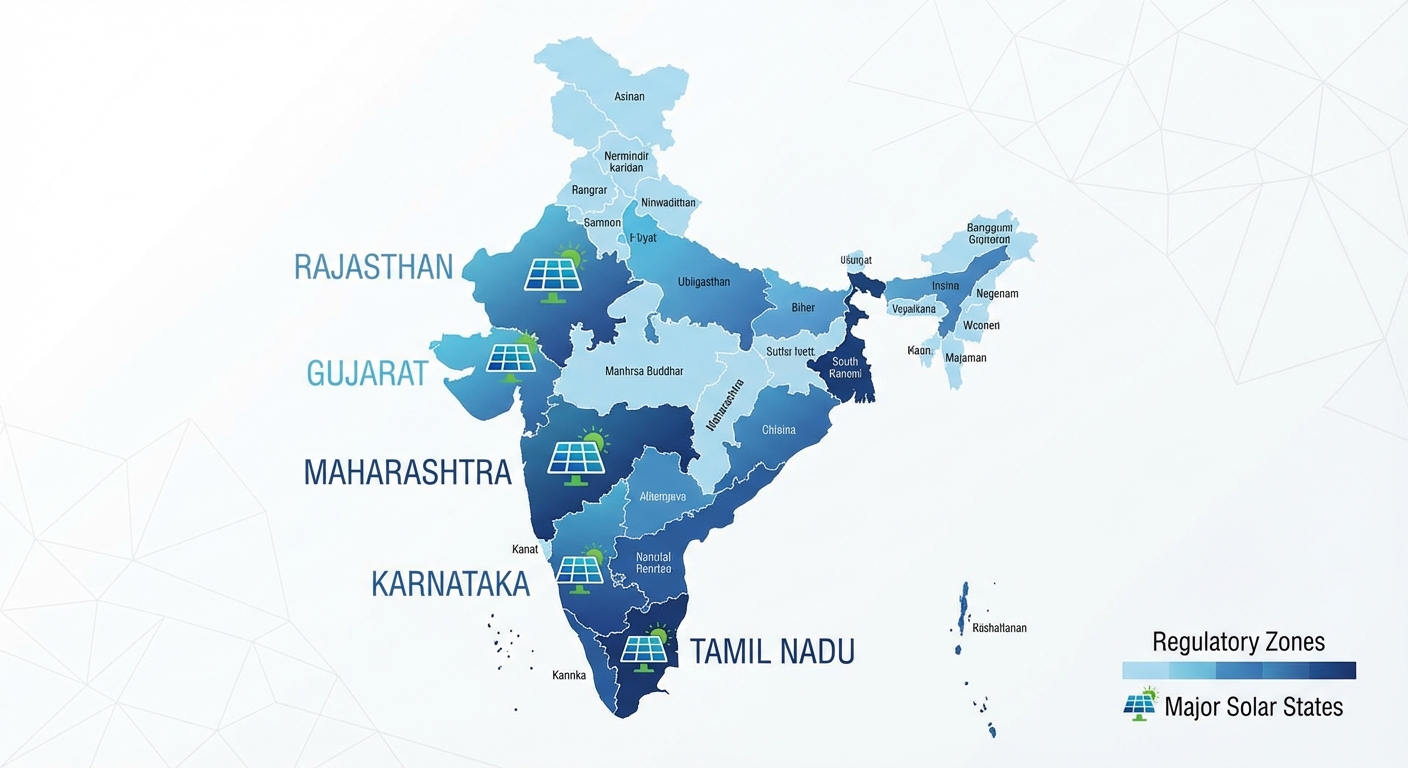
While national standards provide the baseline, inverter regulations India compliance requires understanding significant state-level variations that affect equipment selection and installation procedures. Each state’s electricity regulatory commission and nodal agency implements additional requirements based on local grid conditions, policy priorities, and technical capabilities. For EPCs operating across multiple states, navigating these variations is essential for smooth project execution.
Gujarat, as India’s leading solar state, has established comprehensive technical specifications through Gujarat Energy Development Agency (GEDA). The state mandates additional surge protection requirements for rooftop installations and requires inverters to support advanced grid support functions including reactive power injection during low voltage conditions. GEDA maintains a stringent approved model list updated quarterly, and only inverters on this list qualify for state subsidies. The approval process requires submission of BIS certificates, test reports, and manufacturer authorization letters.
Rajasthan’s regulations through Rajasthan Renewable Energy Corporation (RRECL) emphasize dust and temperature resilience given the state’s harsh desert climate. Inverters must demonstrate IP65 or higher ingress protection ratings and operate reliably at ambient temperatures up to 50°C. The state also requires mandatory remote monitoring for all installations above 5 kW capacity, with data transmission to RRECL’s central monitoring system. EPCs must ensure inverters support the specified communication protocols before installation.
Maharashtra’s approach through Maharashtra Energy Development Agency (MEDA) focuses on grid stability and power quality. The state has implemented stricter harmonic distortion limits (THD below 3% for installations above 50 kW) and requires power factor correction capabilities. MEDA’s approved vendor list includes manufacturer-specific model numbers, so even certified products require separate state approval. The approval process takes 4-6 weeks and requires detailed technical documentation including factory test reports.
Tamil Nadu through Tamil Nadu Energy Development Agency (TEDA) has introduced unique requirements for hybrid inverters used in net metering installations. The state mandates specific battery management system certifications and requires hybrid inverters to support seamless transition between grid-tied and off-grid modes without load interruption. TEDA also requires inverters to support time-of-day programming for optimized battery charging and discharging based on utility tariff structures.
Karnataka’s regulations through Karnataka Renewable Energy Development Limited (KREDL) emphasize warranty and after-sales service. The state requires manufacturers to maintain authorized service centers within 100 km of major cities and respond to service calls within 48 hours. Inverters must carry minimum 5-year comprehensive warranties for subsidy eligibility, though many EPCs prefer longer warranty periods. KREDL conducts periodic market surveillance and can delist products with high failure rates or poor service records.
Key differences across major solar states include:
- Approved model list processes: Some states require annual renewal, others accept BIS certification automatically
- Technical specifications: Efficiency requirements, protection ratings, and grid support functions vary
- Monitoring requirements: Communication protocols, data transmission frequency, and reporting formats differ
- Warranty mandates: Minimum warranty periods range from 5 to 10 years across states
- Service infrastructure: Requirements for local service centers and spare parts availability
- Documentation: Installation certificates, commissioning reports, and compliance declarations vary in format
For EPCs operating across multiple states, partnering with manufacturers that maintain comprehensive state approvals simplifies compliance management. When evaluating inverter selection criteria, verify that your chosen brand maintains current approvals in your target markets. Qbits maintains active approvals across all major solar states and provides state-specific documentation packages that streamline your approval processes, reducing project delays related to compliance verification.
Documentation and Compliance Requirements for EPCs and Distributors
Proper documentation is the backbone of inverter regulations India compliance, protecting EPCs and distributors from liability while ensuring smooth project approvals and subsidy disbursements. The documentation trail begins at procurement and continues through installation, commissioning, and warranty periods. Missing or incomplete documentation is the leading cause of subsidy claim rejections and inspection failures.
Essential procurement documentation starts with manufacturer certificates. You must obtain original BIS certification copies with current validity, not photocopies or outdated certificates. Request factory test reports showing the specific inverter model passed all required tests, including electrical safety, performance efficiency, environmental durability, and EMC compliance. Obtain manufacturer authorization letters confirming you’re an authorized distributor or installer, as many state agencies reject claims from unauthorized channels.
Test certificates and compliance reports required for each project include:
- BIS certification: Original certificate with license number and validity date
- Factory test reports: Comprehensive test data from NABL-accredited laboratories
- Type test certificates: Covering all applicable standards (IS 16221, IEC 62109, IEC 61683)
- Component certifications: For critical components like capacitors, IGBTs, and surge protection devices
- Environmental test reports: IP rating verification, temperature cycling, humidity resistance
- EMC test certificates: Emission and immunity test results per IEC 61000 standards
- Calibration certificates: For monitoring and measurement systems
Warranty documentation has evolved significantly with digital systems replacing paper certificates. However, compliance requirements mandate specific warranty terms and conditions. Warranties must clearly state coverage period, replacement or repair terms, service response times, and exclusions. For subsidy-linked projects, minimum warranty periods are typically 5 years, though leading manufacturers offer extended coverage. Qbits provides 12-year full replacement warranties with digital warranty systems that automatically track coverage and streamline claim processes, exceeding standard inverter regulations India requirements.
Installation and commissioning documentation must be comprehensive and accurate. Prepare detailed installation reports documenting site conditions, mounting specifications, electrical connections, and protection device settings. Commissioning reports must include startup test results, grid synchronization verification, anti-islanding protection testing, and performance validation. Many states require licensed electrical engineers to sign commissioning certificates, so ensure your team includes appropriately qualified personnel.
Record-keeping requirements for inspections extend throughout the system lifetime. Maintain organized files containing all certificates, test reports, installation documentation, and commissioning records. State agencies and DISCOMs conduct periodic inspections and can request documentation at any time. Digital document management systems help EPCs maintain organized records accessible from field locations during inspections.
The shift toward digital warranty systems and traceability represents a significant advancement in compliance management. Modern systems use QR codes or serial number tracking to link each inverter to its complete documentation history. This traceability helps verify authenticity, prevents counterfeit products, and simplifies warranty claims. When sourcing inverters, prioritize manufacturers offering digital documentation systems that integrate with your project management workflows.
For distributors, maintaining proper documentation protects against liability if downstream installers use products inappropriately. Provide complete documentation packages to your installer network and maintain records showing you supplied certified products with proper specifications. This documentation trail is essential if disputes arise regarding product performance or compliance.
Quality Testing and Performance Standards Under Inverter Regulations India
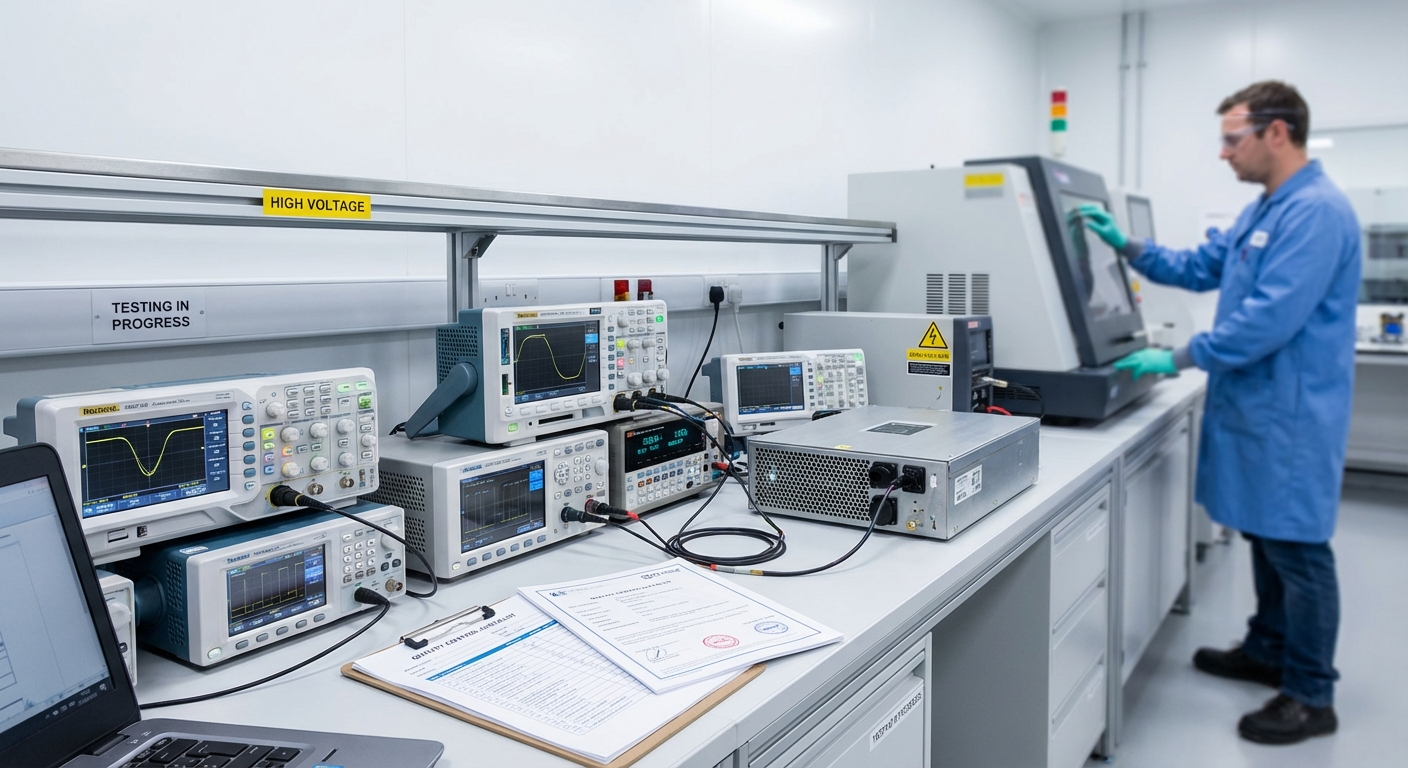
Quality testing protocols mandated under inverter regulations India ensure every inverter meets minimum performance and safety standards before reaching the market. Understanding these testing requirements helps EPCs evaluate manufacturer quality control processes and make informed sourcing decisions. The testing regime includes factory acceptance tests, type testing, and ongoing quality surveillance that together ensure consistent product quality.
Mandatory quality tests for solar inverters cover multiple performance dimensions. Electrical safety tests verify insulation resistance, dielectric strength, and protection against electric shock under normal and fault conditions. These tests subject inverters to high voltages and simulate fault scenarios to ensure protective devices function correctly. Performance tests measure conversion efficiency across different load levels, maximum power point tracking accuracy, and response to varying input conditions. Environmental tests expose units to temperature extremes, humidity, dust, and vibration to validate durability claims.
Efficiency testing protocols follow standardized procedures defined in IEC 61683 and IS 16221. Inverters undergo testing at multiple load levels (10%, 20%, 30%, 50%, 75%, and 100% of rated capacity) to generate efficiency curves. European efficiency, calculated as a weighted average emphasizing typical operating conditions, provides a more realistic performance indicator than peak efficiency alone. For inverter regulations India compliance, minimum weighted efficiency thresholds are 96% for residential units and 97% for commercial inverters.
Environmental testing validates the inverter’s ability to withstand harsh Indian conditions. IP (Ingress Protection) rating tests verify protection against dust and water ingress by exposing units to dust chambers and water spray at specified pressures and angles. Temperature cycling tests subject inverters to repeated heating and cooling cycles between -25°C and +70°C to identify thermal stress failures. Humidity tests maintain 95% relative humidity at elevated temperatures for extended periods to verify moisture resistance. These tests are particularly important for rooftop installations exposed to monsoon conditions and extreme summer heat.
Surge protection and safety device requirements mandate built-in protection against voltage transients and lightning-induced surges. Inverters must incorporate DC and AC surge protection devices (SPDs) rated for specified energy levels. Testing involves applying surge impulses per IEC 61643 standards and verifying the inverter continues operating normally or fails safely without fire or explosion risks. Given India’s high lightning incidence, robust surge protection is critical for system reliability and safety.
The distinction between factory acceptance tests (FAT) and site acceptance tests (SAT) is important for large commercial projects. Factory acceptance tests occur at the manufacturing facility before shipment, verifying each unit meets specifications through automated testing sequences. Leading manufacturers like Qbits conduct over 1000 automated quality tests per unit, checking every functional parameter and safety feature. Site acceptance tests occur after installation, verifying the inverter operates correctly in its actual operating environment with real solar array and grid connections.
Third-party testing and certification bodies in India play a crucial role in inverter regulations India enforcement. NABL (National Accreditation Board for Testing and Calibration Laboratories) accredited laboratories conduct independent testing for BIS certification. Major testing facilities include CPRI (Central Power Research Institute), NISE (National Institute of Solar Energy), and private laboratories like TUV India and Intertek. EPCs should verify that manufacturer test reports come from recognized laboratories with appropriate accreditations.
Quality testing extends beyond initial certification to ongoing surveillance. BIS conducts periodic market surveillance, purchasing samples from the market for testing. Manufacturers face license suspension if surveillance samples fail to meet standards. This ongoing oversight ensures consistent quality and prevents manufacturers from reducing quality after certification. When evaluating potential suppliers, review their surveillance audit history and any corrective actions taken.
For EPCs, understanding quality testing protocols helps you assess manufacturer capabilities during vendor evaluation. Visit manufacturing facilities to observe testing procedures, review test equipment calibration records, and examine quality control documentation. Manufacturers with robust testing infrastructure and documented quality management systems deliver more reliable products with fewer field failures. The comprehensive testing protocols employed by manufacturers like Qbits, including German-grade component verification and AI-powered quality monitoring, demonstrate the level of quality assurance that should be standard across the industry.
When considering inverter lifespan and reliability, remember that rigorous quality testing directly correlates with field performance and longevity. Inverters that pass comprehensive testing protocols experience fewer failures, require less maintenance, and deliver better return on investment over their operational lifetime.
Future Regulatory Trends and Compliance Roadmap for 2026-2027
The regulatory landscape for inverter regulations India continues evolving rapidly as the solar industry matures and grid integration challenges emerge. Understanding upcoming regulatory trends helps EPCs and distributors prepare their businesses for changing compliance requirements and position themselves competitively in the market. Several significant regulatory developments are expected to reshape the industry over the next 18-24 months.
Smart inverter requirements represent the most significant upcoming change in inverter regulations. MNRE and CEA are developing specifications for advanced grid support functions that go beyond basic anti-islanding protection. Future regulations will mandate volt-VAR control (automatic reactive power adjustment based on grid voltage), frequency-watt control (power curtailment during high frequency events), and dynamic power factor adjustment. These capabilities transform inverters from passive grid-connected devices into active grid support assets that enhance stability and power quality.
Grid support functions becoming mandatory include:
- Autonomous voltage regulation: Inverters must inject or absorb reactive power to maintain voltage within acceptable ranges
- Frequency response: Automatic power reduction during over-frequency events to prevent grid instability
- Ramp rate control: Limiting how quickly power output changes to prevent sudden grid disturbances
- Curtailment capability: Remote power limitation during grid congestion or oversupply conditions
- Black start support: Ability to energize local loads during grid outages (for hybrid systems)
Cybersecurity standards for connected inverters are emerging as a critical compliance area. As inverters become increasingly connected through Wi-Fi, 4G, and cloud platforms, they present potential cybersecurity vulnerabilities. Draft regulations under development will require secure communication protocols, encrypted data transmission, regular security updates, and protection against unauthorized access. Manufacturers will need to demonstrate cybersecurity testing and maintain vulnerability management programs. EPCs should begin evaluating inverter cybersecurity capabilities now to prepare for these requirements.
Extended warranty and performance guarantee mandates are being considered to protect consumers and ensure long-term system reliability. Proposed regulations may increase minimum warranty periods from 5 years to 10 years for subsidy-linked projects and require manufacturers to maintain performance guarantees (minimum 90% of rated capacity after 10 years). These requirements will favor established manufacturers with strong financial backing and proven reliability records. Qbits’ 12-year full replacement warranty already exceeds anticipated requirements, demonstrating proactive commitment to long-term product support.
Sustainability and recycling regulations are gaining attention as the first generation of solar installations approaches end-of-life. Future inverter regulations India may include extended producer responsibility (EPR) requirements, mandating manufacturers to establish collection and recycling programs for end-of-life inverters. Regulations may also restrict hazardous materials and require minimum recycled content in new products. EPCs should begin considering end-of-life management in project planning and partner with manufacturers committed to sustainable practices.
Additional regulatory trends to monitor include:
- Standardized communication protocols: Mandating specific protocols for monitoring and control to ensure interoperability
- Enhanced testing requirements: More stringent environmental testing reflecting extreme climate conditions
- Regional manufacturing incentives: Potential preference for domestically manufactured inverters in government projects
- Performance-based incentives: Subsidy structures that reward higher efficiency and advanced features
- Unified approval processes: Streamlined national approval system reducing state-by-state variations
How should you prepare your business for evolving compliance requirements? First, establish relationships with manufacturers that demonstrate commitment to regulatory compliance and invest in product development to meet emerging standards. Second, implement robust documentation and quality management systems that can adapt to changing requirements. Third, invest in training for your technical team on new standards and testing procedures. Fourth, participate in industry associations and regulatory consultations to stay informed about upcoming changes.
For distributors and EPCs, the regulatory evolution presents both challenges and opportunities. Companies that proactively adapt to new requirements will gain competitive advantages, while those that wait for mandatory compliance deadlines will face rushed transitions and potential market access issues. Partner with forward-thinking manufacturers that already incorporate advanced features like smart grid support, cybersecurity, and extended warranties into their product designs.
Frequently Asked Questions About Solar Inverter Regulations in India
What happens if I install a non-BIS certified inverter?
Installing non-BIS certified inverters violates inverter regulations India mandates and carries serious consequences. Immediate impacts include rejection during inspection by state nodal agencies or DISCOMs, preventing grid connection and system commissioning. Subsidy claims will be denied, resulting in significant financial losses. Legal penalties under consumer protection laws can reach up to 10 times the equipment value. Additionally, insurance claims may be void if system failures occur with non-certified equipment, and you may face liability for any safety incidents. Always verify current BIS certification before procurement.
How long does BIS certification take for inverter manufacturers?
The BIS certification process typically requires 6 to 12 months for new applicants. The timeline includes documentation review (4-6 weeks), sample testing at BIS-approved laboratories (8-12 weeks), factory inspection (2-4 weeks), and final license issuance (4-6 weeks). Delays often occur due to incomplete documentation or test failures requiring design modifications and retesting. Manufacturers with existing certifications for similar products may expedite the process through certification extension procedures. For EPCs, plan procurement timelines accounting for certification status and avoid suppliers with pending or expired certifications.
Are imported inverters allowed in India?
Yes, imported inverters are allowed in India, but they must obtain BIS certification before sale or installation, just like domestically manufactured products. The certification process for imported inverters is identical, requiring testing at Indian laboratories and factory inspections at overseas manufacturing facilities. Import duties and customs clearance add cost and complexity. Many international manufacturers establish Indian subsidiaries or partner with local companies to streamline certification and distribution. For EPCs, imported inverters offer no compliance advantages over domestic products and often involve longer lead times and higher costs.
Do hybrid and on-grid inverters have different regulations under inverter regulations India?
Hybrid and on-grid inverters follow the same core BIS certification requirements under IS 16221, but hybrid inverters face additional specifications for battery management and backup functionality. Hybrid inverters must meet battery charging and discharging safety standards, include battery management system certifications, and demonstrate safe transition between grid-tied and off-grid modes. Some states impose additional requirements for hybrid systems, including specific battery certifications and backup duration specifications. When selecting between on-grid and hybrid configurations, verify state-specific requirements and ensure your chosen inverter carries appropriate certifications for its intended application.
How do I verify compliance before purchasing inverters?
Verify compliance through multiple channels before procurement. First, check the official BIS website’s certification database using the manufacturer’s license number to confirm current validity. Second, request original BIS certificates and factory test reports directly from the manufacturer, not just photocopies. Third, verify the specific model number appears on state nodal agency approved lists for your target markets. Fourth, conduct physical inspection of sample units to verify BIS marking on nameplates matches documentation. Fifth, request manufacturer authorization letters confirming you’re purchasing through authorized channels. Finally, consider third-party verification services for large procurements to ensure authenticity.
What are the warranty requirements under regulations?
Minimum warranty requirements vary by state and project type, typically ranging from 5 to 10 years for subsidy-linked installations. Warranties must cover comprehensive replacement or repair of defective units, not just specific components. Manufacturers must maintain service infrastructure with specified response times (typically 48-72 hours). Warranty terms must be clearly documented with coverage details, exclusions, and claim procedures. Leading manufacturers exceed minimum requirements, with Qbits offering 12-year full replacement warranties backed by digital warranty systems for streamlined claim processing. When evaluating inverters, consider warranty terms as a key indicator of manufacturer confidence in product quality and long-term commitment to customer support.
Ensuring Compliance Success in India’s Solar Inverter Market
Navigating inverter regulations India requirements successfully requires comprehensive understanding of national standards, state-specific variations, and emerging regulatory trends. From mandatory BIS certification under IS 16221 to MNRE technical specifications and state nodal agency approvals, compliance touches every aspect of inverter procurement, installation, and operation. EPCs and distributors that master these regulatory requirements gain competitive advantages through faster project approvals, reduced inspection failures, and successful subsidy claims.
The key to compliance success lies in partnering with manufacturers that prioritize regulatory adherence and maintain current certifications across all target markets. Look for suppliers offering comprehensive documentation packages, digital warranty systems, and proactive adaptation to evolving standards. Manufacturers like Qbits that invest in rigorous quality testing (1000+ automated tests per unit), maintain BIS/IEC certifications, and provide extended warranties (12-year full replacement) demonstrate the commitment to compliance and quality that protects your business interests.
As regulations evolve toward smart inverter requirements, cybersecurity standards, and sustainability mandates, staying ahead of compliance curves becomes increasingly important. Invest in ongoing training for your technical teams, maintain robust documentation systems, and establish relationships with manufacturers that share your commitment to regulatory excellence. The regulatory landscape may be complex, but it ultimately serves to protect consumers, ensure grid stability, and build a sustainable solar industry.
Ready to source inverters that exceed inverter regulations India standards while delivering superior performance and reliability? Explore Qbits’ complete range of BIS-certified on-grid and hybrid inverters engineered with German-grade components, AI-powered monitoring, and industry-leading 12-year warranties. Our products meet all current regulatory requirements and incorporate advanced features that prepare your installations for future compliance mandates. Contact our technical team today to discuss your project requirements and receive comprehensive compliance documentation that streamlines your approval processes across all Indian states.
For EPCs and distributors looking to build long-term partnerships with a manufacturer committed to regulatory excellence and technical innovation, explore our channel partner program. Join a network of solar professionals who trust Qbits for compliance-ready products, comprehensive technical support, and digital systems that simplify documentation and warranty management in India’s evolving regulatory environment.
This blog post was written using thestacc.com